Semaglutide Microdose vs Standard Dose: How They Work for Weight Loss
Microdosing keeps you at lower doses for gentler appetite suppression, while standard dosing steps up to the full range studied in trials.
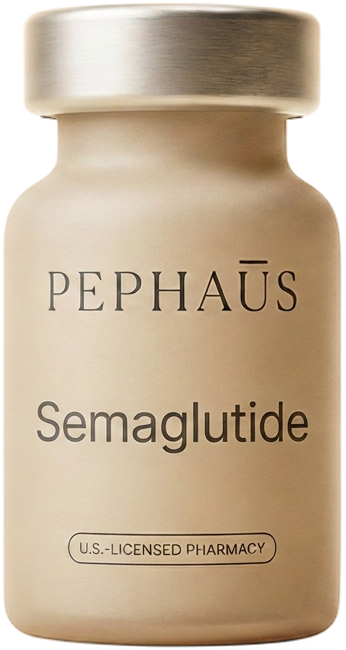
Microdosing semaglutide means staying at lower doses (0.25 mg to 0.5 mg weekly) instead of stepping up to the usual maintenance range of 1 mg to 2.4 mg. Some people start with it to ease into treatment with fewer side effects, while others use it when standard doses feel too strong. Your provider sets your dose based on how you respond, what you can tolerate, and how your progress looks.
Both approaches work through the same GLP-1 mechanism, slowing digestion and reducing hunger. The difference is intensity. Microdosing can help people who are sensitive to medication, who want a gentler start, or whose goals fit a lower dose.
Is this you?
Is this you?
You started at 0.25 mg or 0.5 mg and wondered if you need to go higher. You felt good at a lower dose and do not want to push it if you do not have to. Standard doses gave you side effects that were hard to manage. You want to know if staying at a microdose will still get you where you are going. You have heard people talk about microdosing and wondered if it makes sense for your situation. You are comparing what each approach looks like before your first provider visit. If you nodded at two or three of those, keep reading.
Compounded semaglutide, prescribed online from $152/mo
One weekly shot. Provider visit and cold shipping included. Nothing charged unless you are prescribed.
See your yearly and weekly costHow microdosing works and when providers use it
Microdosing keeps you at the starting or early doses instead of titrating up to maintenance. Most people begin at 0.25 mg weekly for the first month, then step to 0.5 mg. With microdosing, you stay at 0.25 mg or 0.5 mg for the long term instead of moving to 1 mg, 1.7 mg or 2.4 mg.
Providers use it when someone has a strong response at a low dose and hits their goals without stepping up. It also makes sense for people who had side effects at higher doses and felt better when they came back down. Some people microdose to maintain weight after standard dosing, using just enough to keep appetite in check without the intensity of a higher dose.
The shot works the same way at any dose. It binds to GLP-1 receptors and signals your brain that you are full, slows how fast food leaves your stomach, and reduces how much you think about eating. Lower doses do this more gently.
What standard dosing looks like and why most people step up
Standard dosing follows the titration schedule studied in clinical trials. You start at 0.25 mg for four weeks, step to 0.5 mg for four weeks, then 1 mg, and some people go to 1.7 mg or 2.4 mg if their provider thinks it will help them reach their goal. Each step gives your body time to adjust.
Providers step people up when progress slows, when appetite is still high, or when someone wants the level of suppression that higher doses provide. Clinical trials of semaglutide at maintenance doses showed about 15 percent average body weight loss over 68 weeks. Lower doses were not studied at that length, so the data on long term results at 0.25 mg or 0.5 mg is thin.
Most people feel their appetite drop noticeably at 0.5 mg, and it gets quieter as they step up. Some people describe food noise going almost silent at 1 mg or higher. Others find that 0.5 mg is enough to keep them on track without needing a stronger dose.
Ready when you are. Ten minutes on your phone.
Start my online visitComparing side effects at microdoses and standard doses
Side effects on semaglutide are dose dependent. The higher the dose, the more likely you are to feel nausea, fatigue, or digestive changes. Microdosing reduces the intensity of those effects because less medication is circulating.
People who microdose report fewer episodes of nausea and less trouble with bowel changes. They also say appetite suppression is present but not overwhelming. When side effects show up at standard doses, providers adjust. They slow the titration, dropping back to a lower dose for another month before trying to step up again. They suggest eating smaller meals, avoiding rich or greasy foods, and staying hydrated.
Microdosing skips some of that trouble because you never push into the higher range. The tradeoff is that you might not get the same level of appetite control or weight loss. Providers who specialize in weight loss medication can help you find the dose that balances results and tolerance, and best semaglutide telehealth walks through what to look for.
How results compare and what people report
Clinical trial data focused on the maintenance doses, so the numbers you see reported are from people who stepped up to 1 mg, 1.7 mg or 2.4 mg. At those doses, participants lost about 15 percent of their starting weight on average over 68 weeks. Individual results varied.
Microdosing results are less documented because the trials did not follow people who stayed at 0.25 mg or 0.5 mg for the full duration. What providers see in practice is that some people lose steadily at lower doses, especially if they pair the shot with consistent eating and activity. Others plateau after a few months and need to step up to keep losing.
People who microdose long term report that it helps them maintain weight they already lost, or that it keeps food noise low enough to stay on track without the intensity of higher doses. If your goal is to lose a significant amount of weight in a structured timeline, standard dosing is usually the path that gets you there. If you have already lost weight and want to hold it, or if your goal is modest and you are sensitive to medication, microdosing might fit.
The real thing vs the rest
Gummies and GLP-1 pills are not the same thing
Semaglutide is a peptide, and peptides break down in your stomach. When you swallow a gummy or pill, about 1 percent of the active ingredient reaches your blood. When you inject it, about 80 percent does. That difference is why injectable semaglutide showed about 15 percent average body weight loss in clinical trials and oral forms were never in those trials.
Some companies sell GLP-1 gummies or pills and call them weight loss supplements. They are not compounded by a U.S.-licensed pharmacy, they do not require a prescription, and they do not deliver the same level of medication that an injection does.
The real thing vs the rest
A gummy cannot do this. Not even close.
Weight loss gummies, so called GLP-1 pills and liposomal drops sold on social media were never in the clinical trials. Injectable tirzepatide and semaglutide were. Overseas research-only vials have no pharmacy and no physician behind them.

Weight loss gummies
0 mg
No GLP-1 medication inside. Fiber and plant extracts.
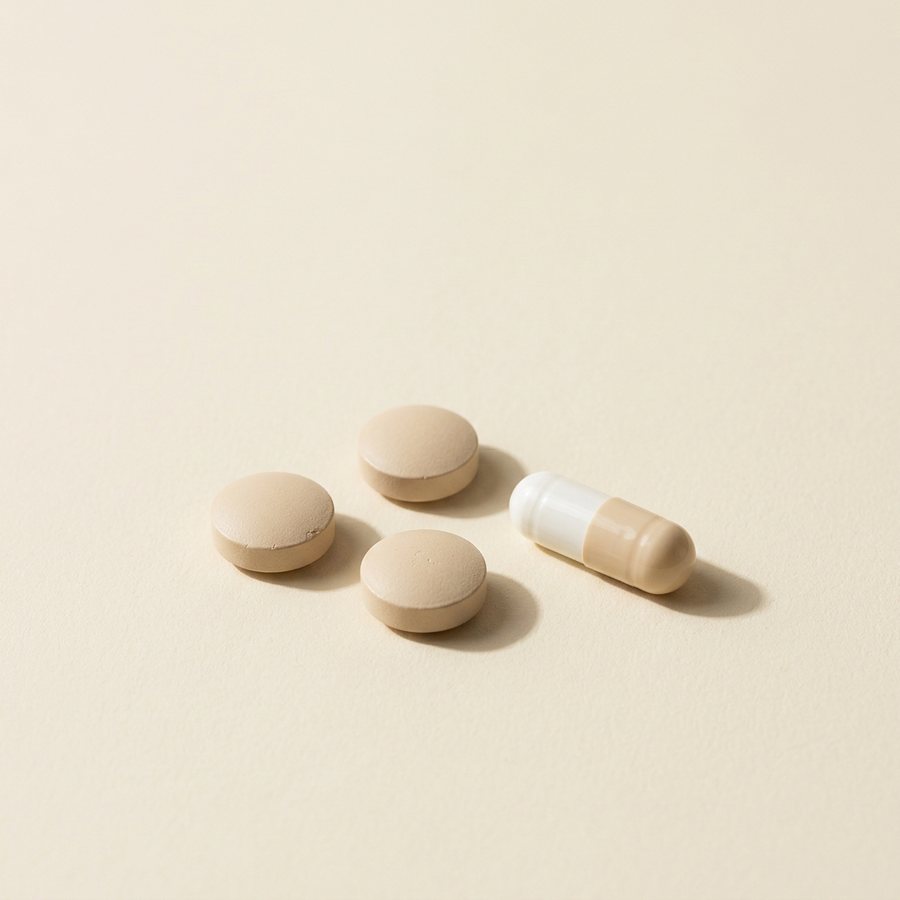
Pills and drops
about 1%
Swallow it and about 1 of every 100 units reaches your blood.
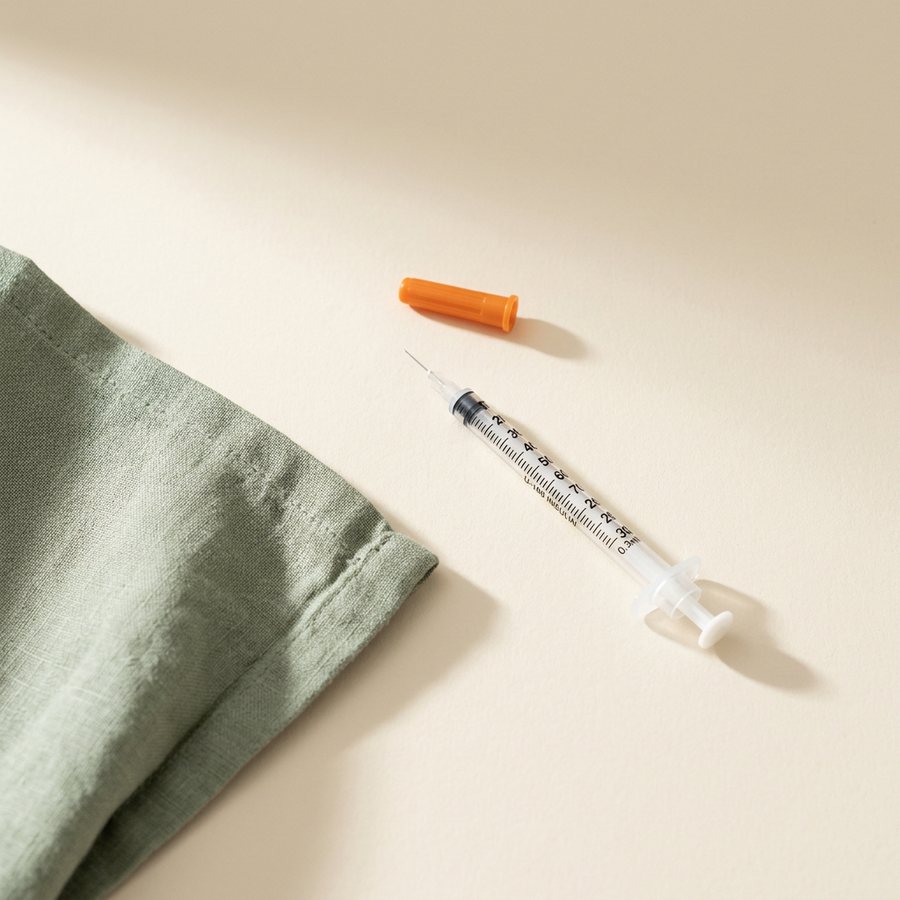
Weekly injection
about 80%
Absorbed from the fat layer. Nothing in the way.
Swallow it: about 1% reaches your blood. Inject it: about 80% does. Same comparison we show on our homepage.
| What you get | PepHaūs prescription | Gummies and “GLP-1 pills” | Grey market vials |
|---|---|---|---|
| Studied in clinical trials | |||
| Average loss in clinical trials | About 15% to 20% of body weight | None reported | Unknown |
| Physician licensed in your state | |||
| U.S.-licensed pharmacy | |||
| Tested product, cold shipped | |||
| Provider visit included | |||
| Dose tuned to you |
Pricing
What it costs
Compounded semaglutide from PepHaūs costs $169 a month billed monthly, $160 a month on a quarterly plan, and $152 a month on a six month plan. The price includes the provider visit, the medication compounded by a U.S.-licensed pharmacy, and free expedited shipping. No doctor fee, no membership, and you can cancel anytime.
Microdosing and standard dosing cost the same per month because you are paying for the prescription service and the pharmacy, not just the dose. You can estimate your yearly cost with the GLP-1 cost calculator, which shows what monthly, quarterly and six month plans add up to over time. The compounded semaglutide cost page breaks down what is included.
Pricing in your door
One price. Provider visit, medication and shipping included.
- First month$239
- 3-month plan$227/mo
- 6-month plan$215/mo
- First month$169
- 3-month plan$160/mo
- 6-month plan$152/mo
- Provider visit
- Medication
- Cold shipping to your door
- Refills on a schedule
- Care team messaging
- Cancel anytime online
LegitScript certified
A licensed U.S. pharmacy vs the grey market
Compounded semaglutide from PepHaūs is prescribed by a U.S.-licensed physician and compounded by a U.S.-licensed pharmacy. Both are regulated. The medication is tested, the dose is accurate, and you have a provider checking your health history and monitoring your progress.
Research vials sold online as semaglutide are not for human use. They come from overseas labs that are not regulated by the FDA, they are not compounded by a pharmacy, and they do not include a provider. You do not know what dose you are actually getting, what else is in the vial, or how it was stored. If side effects show up, managing nausea and side effects on semaglutide covers how providers help, but that support only exists when you are working with a licensed provider.
FAQ
FAQ
Can I stay on a microdose long term?+
Yes, if it is working for your goals and your provider agrees. Some people use microdosing to maintain weight after losing, and others stay at a low dose because it keeps their appetite in check without side effects. Your provider reviews your progress at each visit and adjusts if things change.
Will I lose weight on a microdose?+
Many people do, especially in the first few months. How much depends on your starting point, your eating, your activity, and how your body responds. Microdosing tends to produce slower, steadier loss than higher doses. If progress stalls and you want to keep losing, your provider can step you up.
How do I know if I should step up from a microdose?+
Your provider looks at your progress, how you feel, and whether appetite is still under control. If you are losing steadily and tolerating the dose well, they might keep you where you are. If the scale has not moved in a month and you are eating more than you were, stepping up can help.
Can I switch from standard dosing to microdosing?+
Yes, if you want less intensity or if side effects at a higher dose were too much. Your provider steps you back down gradually so your body adjusts. Some people do this when they reach their goal and want to maintain without the full suppression of a high dose.
Is microdosing cheaper?+
No, the monthly cost is the same whether you take 0.25 mg or 2.4 mg. You pay for the provider visit, the prescription service, and the pharmacy, not just the dose in the vial.
Do I need to inject more often with a microdose?+
No, microdosing is still one shot per week. The dose is lower, but the frequency stays the same. Some people on standard doses split their weekly dose into two shots to smooth out side effects, but that is a provider decision.
Can I start with a microdose and stay there?+
Yes, if your provider thinks it fits your goals. Most people start at 0.25 mg, and some stay there if they are seeing results and feel good. Others step to 0.5 mg and hold. The titration schedule is a guide, not a rule.
Microdose or standard dose: what fits
Microdosing makes sense when you are sensitive to medication, when a low dose is already getting you where you want to go, or when you are using it to maintain after standard dosing. Standard dosing is the path most people take when they want the full appetite suppression and results seen in clinical trials. Your provider sets your dose based on your health history, your tolerance, and how your body responds, and they adjust every month as your progress unfolds. Compounded semaglutide is prescribed by a U.S.-licensed physician after a review of your health, and it is compounded by a U.S.-licensed pharmacy with accurate dosing and testing. Start from home at PepHaūs.
Start your visit from your phone
Ten minutes on your phone. A physician licensed in your state. A box on your porch in 2 to 3 business days.
See if you qualifyYour care team
Every PepHaus visit is reviewed by a licensed physician from the Wasef Health Group provider network. A doctor reads your intake, decides if treatment fits, and sets your plan.
Meet the physiciansThis article is educational and is not medical advice. Compounded medications are not FDA-approved. Treatment requires evaluation by a licensed provider.