Semaglutide Dosage for Weight Loss: The Complete Schedule
A weekly shot that starts low and builds over months, letting your body adjust while appetite drops.
Semaglutide for weight loss starts at 0.25 mg once a week and builds up over 16 to 20 weeks. Your provider sets the pace based on how you respond, and most people reach 1.7 mg to 2.4 mg as their maintenance dose. The slow ramp lets your body adjust while keeping side effects manageable.
Is this you?
Is this you?
If you nodded at two or three of those, keep reading.
You want to know exactly how semaglutide dosing works week by week
You are comparing providers and need to understand the titration schedule
You are about to start and want to know what to expect at each dose level
You have read conflicting dosing information and want the provider schedule
You are wondering how long it takes to reach your full dose
You want to know what happens if you miss a dose or need to pause
You are curious how the provider decides when to increase your dose
You are planning ahead for refills and storage during the ramp-up
Compounded semaglutide, prescribed online from $152/mo
One weekly shot. Provider visit and cold shipping included. Nothing charged unless you are prescribed.
See your yearly and weekly costHow the dosing schedule works
Semaglutide dosing for weight loss follows a titration schedule that starts low and climbs every four weeks. Most providers use this standard schedule compounded by a U.S.-licensed pharmacy after a U.S.-licensed physician prescribes it:
Week 1 to 4: 0.25 mg once a week. This starting dose primes your system. Many people notice less food noise right away, but weight loss at this level is gradual.
Week 5 to 8: 0.5 mg once a week. Appetite drops further and weight loss picks up. Some people feel mild nausea for a day or two after the first 0.5 mg shot, then it settles.
Week 9 to 12: 1.0 mg once a week. Most people see steady weight loss at this level. The provider checks how you are handling it and watches for side effects before moving up.
Week 13 to 16: 1.7 mg once a week. This is the maintenance dose for many people. If you are still tolerating it well and need more appetite support, the provider can increase to 2.4 mg.
Week 17 and beyond: 2.4 mg once a week for those who need it. Not everyone reaches this dose. Some people stay at 1.7 mg because it works and feels right.
The provider sets your dose and adjusts it based on what you report at check-ins. If you have nausea that lasts more than a couple of days, they can slow the ramp. If you are sailing through with no issues, they can move you up on schedule.
What each dose level feels like
At 0.25 mg, you might notice you are thinking about food less often. The mental chatter quiets down. Physical hunger still shows up at mealtimes, but the background urge to snack fades. Weight loss at this dose averages about half a pound to a pound a week.
At 0.5 mg, appetite suppression becomes more noticeable. You feel full faster at meals and stay satisfied longer. Many people report that food tastes the same but the drive to keep eating after the first few bites drops off. Weight loss often picks up to one to two pounds a week.
At 1.0 mg, the appetite effect is strong. You can finish half a plate and feel done. Cravings for sweets and late-night snacks often disappear. Some people feel a little tired on shot day, then energy normalizes. Weight loss can reach two to three pounds a week during this phase.
At 1.7 mg and 2.4 mg, the appetite suppression holds steady. These doses are about maintaining that effect as your body adjusts over months. Weight loss continues, though the pace can slow as you get closer to your goal. In the clinical trials for compounded semaglutide, people reached about 15 percent average body weight loss by 68 weeks.
Ready when you are. Ten minutes on your phone.
Start my online visitHow the provider decides when to move you up
The provider reviews your progress at each check-in, most often every four weeks. They ask how you are feeling, whether you have had nausea or other side effects, and how your appetite and weight are responding. If everything looks good, they approve the next dose level.
If you report persistent nausea, vomiting more than once, or trouble keeping food down, they pause the increase. You stay at your current dose for another four weeks, and they adjust from there. The point is not to rush you up the schedule. The point is to find the dose that works for you.
Some people stay at 1.0 mg or 1.7 mg for months because those doses deliver the appetite control they need. Others climb to 2.4 mg and stay there. The provider tailors the plan to what you report, not a rigid timeline.
What happens if you miss a dose
If you miss your weekly shot by a day or two, take it as soon as you remember and then resume your normal weekly schedule from that new day. If you miss it by more than five days, skip that dose and take your next one on the original schedule. Do not double up.
Missing one dose does not restart your titration. You pick up where you left off. If you miss several weeks in a row, the provider might step you back to a lower dose and ramp up again more quickly than the original schedule. That decision depends on how long the gap was and how you are tolerating it when you restart.
Storing your semaglutide during the ramp-up
Semaglutide ships cold-packed and goes straight into your fridge when it arrives. Keep it between 36 and 46 degrees Fahrenheit until you use it. Each vial lasts 28 days after the first puncture, so one vial covers four weekly shots.
If you travel, bring a small cooler or insulated pouch with an ice pack. TSA allows medication in carry-on bags. Do not freeze it or leave it in a hot car. Room temperature for a few hours during travel is fine, but get it back in the fridge once you land.
The real thing vs the rest
Gummies and GLP-1 pills are not the same thing
Semaglutide pills and gummies were never in the clinical trials. Swallow a GLP-1 pill or gummy and about 1 percent reaches your blood. Inject semaglutide and about 80 percent does. The injectable form used in clinical trials delivered about 15 percent average body weight loss. Gummies and pills do not replicate that.
PepHaūs sells compounded semaglutide as an injection compounded by a U.S.-licensed pharmacy and prescribed by a U.S.-licensed physician. The dosing schedule described here applies to the injectable form.
The real thing vs the rest
A gummy cannot do this. Not even close.
Weight loss gummies, so called GLP-1 pills and liposomal drops sold on social media were never in the clinical trials. Injectable tirzepatide and semaglutide were. Overseas research-only vials have no pharmacy and no physician behind them.

Weight loss gummies
0 mg
No GLP-1 medication inside. Fiber and plant extracts.
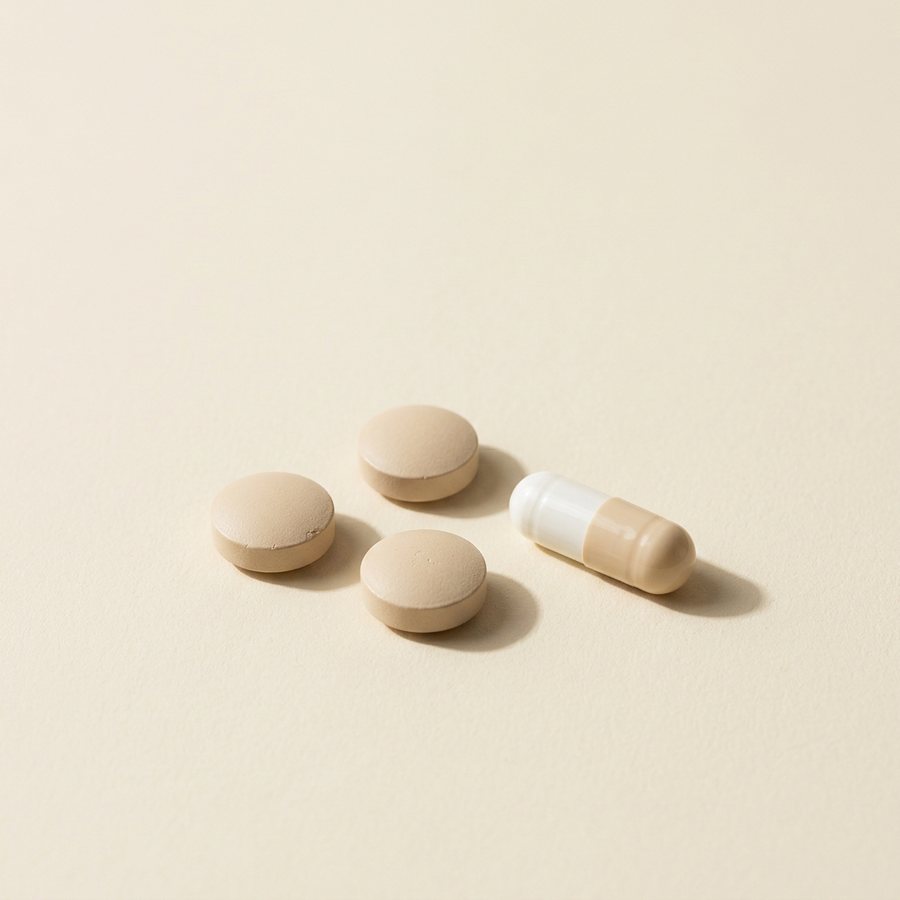
Pills and drops
about 1%
Swallow it and about 1 of every 100 units reaches your blood.
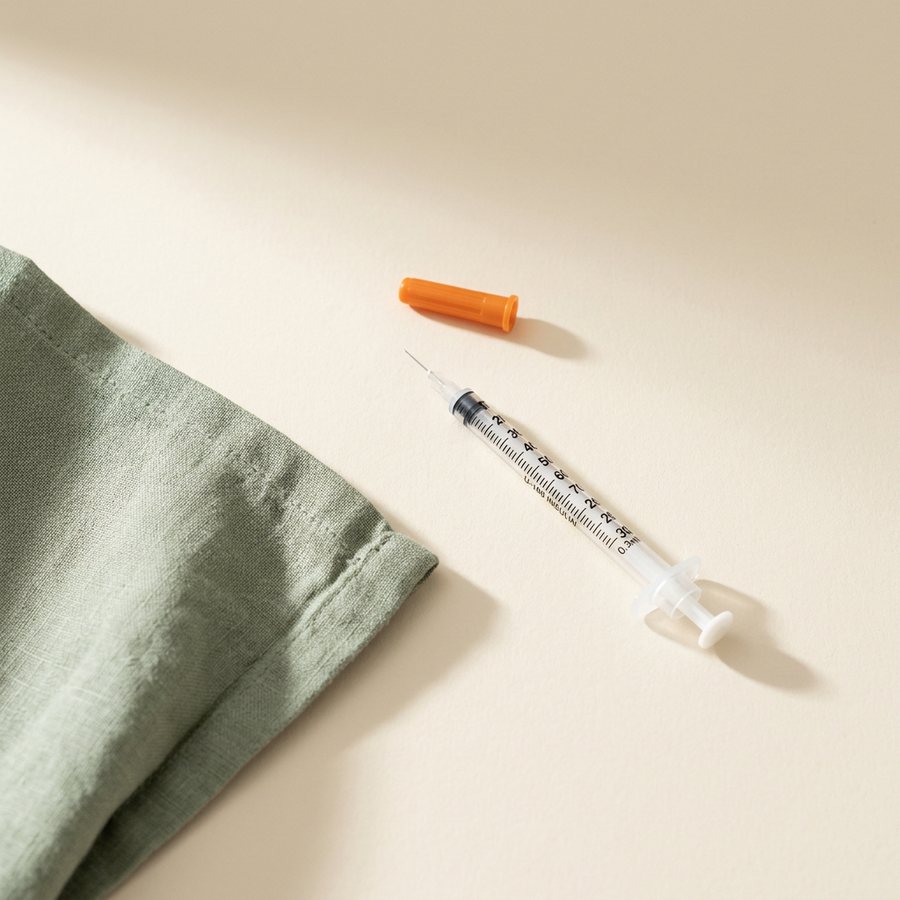
Weekly injection
about 80%
Absorbed from the fat layer. Nothing in the way.
Swallow it: about 1% reaches your blood. Inject it: about 80% does. Same comparison we show on our homepage.
| What you get | PepHaūs prescription | Gummies and “GLP-1 pills” | Grey market vials |
|---|---|---|---|
| Studied in clinical trials | |||
| Average loss in clinical trials | About 15% to 20% of body weight | None reported | Unknown |
| Physician licensed in your state | |||
| U.S.-licensed pharmacy | |||
| Tested product, cold shipped | |||
| Provider visit included | |||
| Dose tuned to you |
Pricing
What it costs
Compounded semaglutide at PepHaūs costs $169 a month billed monthly, $160 a month on a quarterly plan, or $152 a month on a six-month plan. That includes the provider visit, your medication shipped cold to your door, and follow-up check-ins. No doctor fee, no membership fee, no clinic visit.
You can see the full pricing breakdown and payment options here or use the GLP-1 cost calculator to compare plans.
Pricing in your door
One price. Provider visit, medication and shipping included.
- First month$239
- 3-month plan$227/mo
- 6-month plan$215/mo
- First month$169
- 3-month plan$160/mo
- 6-month plan$152/mo
- Provider visit
- Medication
- Cold shipping to your door
- Refills on a schedule
- Care team messaging
- Cancel anytime online
LegitScript certified
A licensed U.S. pharmacy vs the grey market
Compounded semaglutide from a licensed 503A pharmacy means a pharmacist compounds your dose after a provider reviews your health and writes a prescription. The pharmacy follows FDA standards for sterile compounding, and every batch is traceable.
The grey market sells research-grade semaglutide vials from overseas suppliers with no pharmacy oversight and no provider involved. You are dosing yourself from a vial that was never intended for human use. There is no testing, no recourse if something is wrong, and no one checking whether the dose or the timeline makes sense for you.
The difference matters when you are injecting something weekly for months.
FAQ
FAQ
How long does it take to reach the full dose of semaglutide?+
It takes 16 to 20 weeks to reach the maintenance dose of 1.7 mg or 2.4 mg. The provider can extend that timeline if you need more time to adjust at a lower dose, or move faster if you are tolerating each increase well with no side effects.
Can I start at a higher dose to lose weight faster?+
No. Starting at a higher dose raises the risk of persistent nausea, vomiting, and other side effects that can make it hard to stay on treatment. The low-and-slow titration schedule is designed to let your body adjust while minimizing side effects.
What is the best dose of semaglutide for weight loss?+
The best dose is the one that controls your appetite without causing side effects you cannot manage. For many people that is 1.7 mg once a week. Some people need 2.4 mg to get the full effect, and others do well at 1.0 mg. Your provider helps you find that dose based on how you respond.
Do I have to keep increasing the dose every four weeks?+
No. If you are seeing good results and tolerating your current dose well, the provider can keep you there. The schedule is a guideline, not a requirement. The goal is to find the dose that works for you, not to push you to the maximum.
How do I know if my dose is working?+
Your dose is working if your appetite is noticeably lower, you are losing weight steadily, and you can stick to your plan without constant hunger. Most people also notice less thinking about food between meals and fewer cravings for sweets or high-calorie snacks.
Can the dose be adjusted down if I have side effects?+
Yes. If you develop persistent nausea, vomiting, or other side effects that do not improve after a few days, the provider can drop you back to the previous dose. You stay there until the side effects resolve, then decide together whether to try the higher dose again or stay where you are.
What happens when I reach my goal weight on semaglutide?+
When you reach your goal weight, the provider helps you decide whether to stay on a maintenance dose or taper off slowly. Many people stay on semaglutide long term at the dose that keeps their appetite controlled and their weight stable. Stopping suddenly can bring appetite and weight back, so tapering is usually the better path.
Get started with PepHaūs
PepHaūs provides compounded semaglutide online starting at $152 a month on the six-month plan. A licensed physician reviews your health history, writes the prescription if appropriate, and sets your titration schedule. Your medication ships cold-packed from a licensed U.S. pharmacy, and the provider checks in as you ramp up.
You can start by visiting how to get semaglutide online and completing the health intake. The whole process takes about 10 minutes, and most people hear back within one business day.
And skip the gummy aisle. Learn why GLP-1 pills and gummies do not work like the injection does.
Start your visit from your phone
Ten minutes on your phone. A physician licensed in your state. A box on your porch in 2 to 3 business days.
See if you qualifyYour care team
Every PepHaus visit is reviewed by a licensed physician from the Wasef Health Group provider network. A doctor reads your intake, decides if treatment fits, and sets your plan.
Meet the physiciansThis article is educational and is not medical advice. Compounded medications are not FDA-approved. Treatment requires evaluation by a licensed provider.