Semaglutide vs GLP-1: What's the Difference?
Semaglutide is a GLP-1 medication, not a competitor to it—understand the difference and what it means for weight loss.
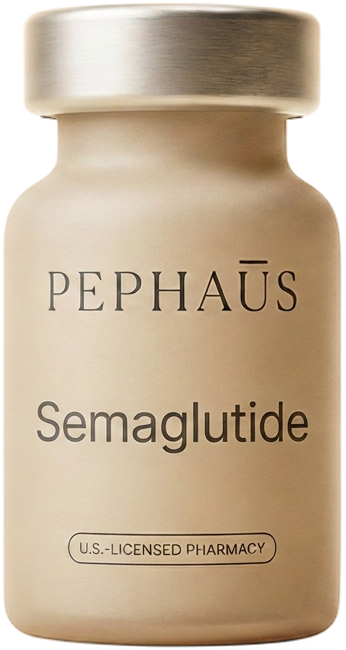
Semaglutide is not "versus" GLP-1. Semaglutide is a GLP-1 receptor agonist, which means it mimics a hormone your body already makes called glucagon-like peptide-1. When people search "semaglutide vs GLP-1," they're asking about the difference between a specific medication and the class of medications it belongs to. Think of it like asking "Honda vs cars." GLP-1 is the category, and semaglutide is one option within that category, alongside liraglutide, dulaglutide, and others.
Is this you?
Is this you?
You saw "GLP-1" mentioned in articles about weight loss medication and wondered if it's different from semaglutide. You're comparing telehealth programs and some say "GLP-1" while others say "semaglutide" and you're not sure if they're offering the same thing. Your provider mentioned starting you on "a GLP-1" and you want to know if semaglutide is what they meant. You've read that semaglutide works for weight loss but you keep seeing "GLP-1" and you're confused about which one to ask for. You're trying to figure out if one is better than the other or if they're actually the same thing. You want to understand what you're taking and how to talk about it with your provider. If you nodded at two or three of those, keep reading.
Compounded semaglutide, prescribed online from $152/mo
One weekly shot. Provider visit and cold shipping included. Nothing charged unless you are prescribed.
See your yearly and weekly costWhat GLP-1 Actually Means
GLP-1 stands for glucagon-like peptide-1. It's a hormone your gut releases when you eat. This hormone does a few things: it signals your pancreas to release insulin when your blood sugar rises, it slows how fast food leaves your stomach, and it tells your brain you're full. The problem is that natural GLP-1 only lasts a few minutes in your body before enzymes break it down.
GLP-1 receptor agonists are medications designed to mimic that hormone but last much longer. They bind to the same receptors in your body that natural GLP-1 binds to, which is why they're called "agonists." Instead of lasting minutes, they last days. That extended action is what makes them effective for weight loss. You take one shot a week and it keeps working between doses.
Semaglutide Is One Type of GLP-1 Medication
When your provider says "GLP-1," they're referring to the class of medication. Semaglutide is one specific drug in that class. Other GLP-1 receptor agonists include liraglutide, which requires a daily injection, and dulaglutide, which is a weekly injection like semaglutide. Each one is a GLP-1 agonist, but they differ in how long they last, how often you inject, and how much weight loss people see in trials.
Semaglutide is one of the most studied GLP-1 medications for weight loss. In clinical trials, people taking semaglutide lost about 15% of their starting body weight on average over 68 weeks. That's higher than what was seen with earlier GLP-1 medications like liraglutide. The weekly injection schedule also makes semaglutide more convenient than daily options.
Tirzepatide is sometimes grouped with GLP-1 medications, but it's technically a dual agonist. It activates both GLP-1 receptors and GIP receptors. That makes it similar but not identical to semaglutide. In trials, tirzepatide showed about 20% average body weight loss. Both are compounded by a licensed U.S. pharmacy and both require a prescription from a U.S.-licensed physician.
Ready when you are. Ten minutes on your phone.
Start my online visitHow GLP-1 Medications Work for Weight Loss
GLP-1 receptor agonists like semaglutide work by reducing appetite and helping you feel full faster. When you inject semaglutide, it activates GLP-1 receptors in your brain, particularly in areas that regulate hunger and satiety. Most people report that food noise quiets down. The constant thoughts about what to eat next or when the next meal is coming tend to fade. That makes it easier to eat less without feeling deprived.
Semaglutide also slows gastric emptying, which means food stays in your stomach longer. You feel full for more hours after a meal. That physical sensation of fullness combines with the reduced mental drive to eat. Together, those effects make it easier to stay in a calorie deficit, which is what leads to weight loss. You're not fighting hunger the way you would on a traditional diet.
The medication doesn't do the work alone. Most people find they still need to focus on protein intake and regular movement to see the best results. Semaglutide makes those habits easier to maintain by reducing the constant pull toward food. Providers adjust your dose over several months, starting low and increasing gradually to minimize side effects while finding the dose that works for your body.
The real thing vs the rest
Gummies and GLP-1 pills are not the same thing
Oral GLP-1 medications exist, but they're not gummies and they're not widely available as compounded options. Semaglutide taken by mouth requires a much higher dose than the injection because only about 1% gets absorbed. The injection delivers about 80% of the dose into your bloodstream. That difference matters.
You'll see gummies, lozenges, and sublingual tablets marketed as GLP-1 medications online. These products were never tested in the clinical trials that showed 15% average weight loss with semaglutide. The absorption rate from oral, sublingual, or gummy forms is too low to replicate the results seen with injections. If a product claims to offer GLP-1 effects without an injection and without a prescription, it's not the same thing you'd get from a licensed U.S. pharmacy after a provider visit.
Compounded semaglutide injections go through the same approval process as any prescription medication compounded by a 503A pharmacy. A U.S.-licensed provider reviews your health history, prescribes the medication if appropriate, and the pharmacy prepares it according to FDA standards for compounding. That's the version that works. Pills, gummies, and liposomal forms sold without a prescription are not held to those standards.
The real thing vs the rest
A gummy cannot do this. Not even close.
Weight loss gummies, so called GLP-1 pills and liposomal drops sold on social media were never in the clinical trials. Injectable tirzepatide and semaglutide were. Overseas research-only vials have no pharmacy and no physician behind them.

Weight loss gummies
0 mg
No GLP-1 medication inside. Fiber and plant extracts.
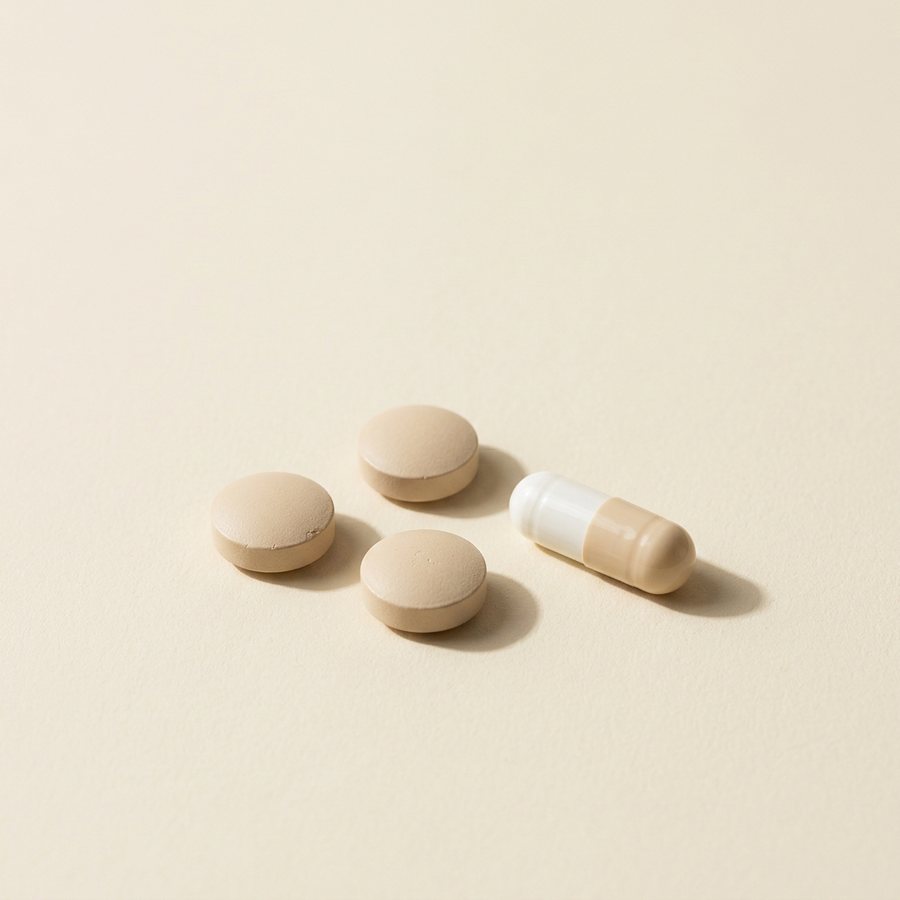
Pills and drops
about 1%
Swallow it and about 1 of every 100 units reaches your blood.
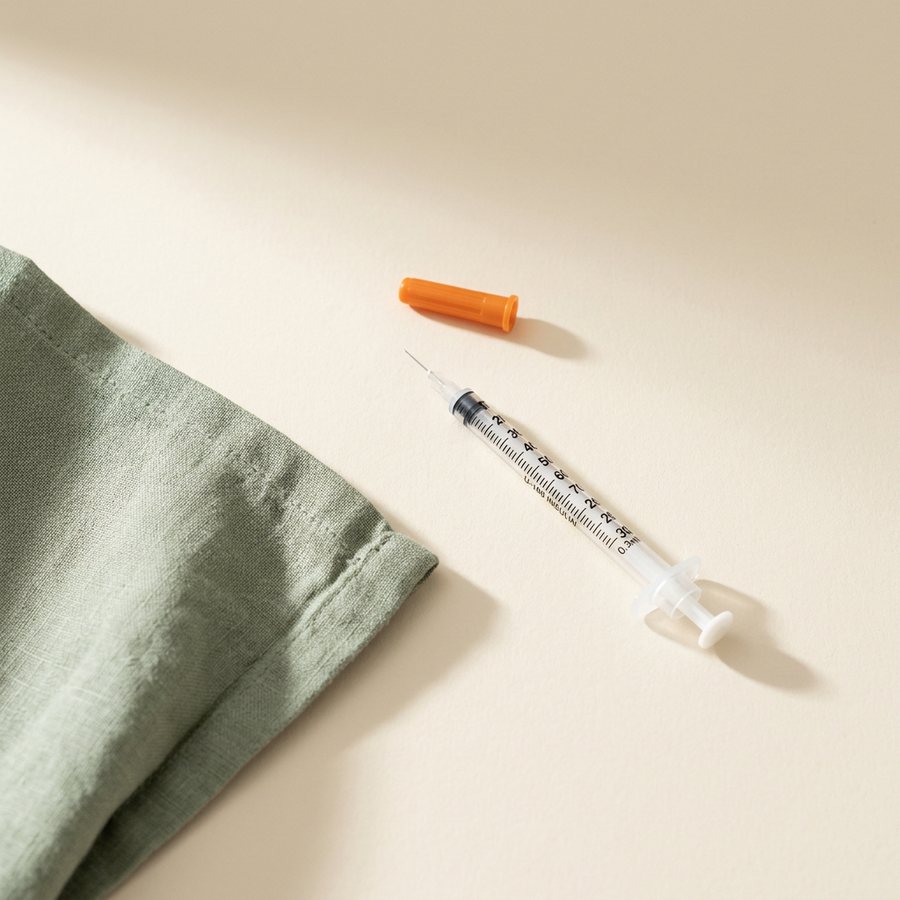
Weekly injection
about 80%
Absorbed from the fat layer. Nothing in the way.
Swallow it: about 1% reaches your blood. Inject it: about 80% does. Same comparison we show on our homepage.
| What you get | PepHaūs prescription | Gummies and “GLP-1 pills” | Grey market vials |
|---|---|---|---|
| Studied in clinical trials | |||
| Average loss in clinical trials | About 15% to 20% of body weight | None reported | Unknown |
| Physician licensed in your state | |||
| U.S.-licensed pharmacy | |||
| Tested product, cold shipped | |||
| Provider visit included | |||
| Dose tuned to you |
Pricing
What it costs
Compounded semaglutide from PepHaūs costs $169 a month when billed monthly, $160 a month on the quarterly plan, and $152 a month on the six-month plan. That price includes the provider visit, the medication, and free expedited shipping. There's no doctor fee, no membership, and no hidden costs. You can cancel anytime.
The price stays the same regardless of your dose. Whether you're on 0.25 mg a week or 2.4 mg a week, you pay the same monthly rate. Some programs charge more as your dose increases. PepHaūs doesn't. If you want to see how that compares to other options, check the compounded semaglutide cost breakdown or use the GLP-1 cost calculator to estimate your yearly cost on different plans.
Pricing in your door
One price. Provider visit, medication and shipping included.
- First month$239
- 3-month plan$227/mo
- 6-month plan$215/mo
- First month$169
- 3-month plan$160/mo
- 6-month plan$152/mo
- Provider visit
- Medication
- Cold shipping to your door
- Refills on a schedule
- Care team messaging
- Cancel anytime online
LegitScript certified
A licensed U.S. pharmacy vs the grey market
Compounded semaglutide from a 503A pharmacy means a licensed pharmacist prepared your medication according to USP standards in a facility that's regularly inspected. It's prescribed by a U.S.-licensed physician who's licensed in your state. That provider reviews your medical history, checks for contraindications, and monitors your progress. The medication is shipped cold-packed and you have someone to call if you have questions or side effects.
The grey market sells research-grade semaglutide, often sourced overseas, with no prescription and no provider oversight. These are vials labeled "not for human consumption" sold to individuals who are injecting them without medical supervision. There's no way to verify what's in the vial, what the actual dose is, or whether it was stored properly before it arrived. You're on your own if something goes wrong.
If you're seeing semaglutide advertised at prices that sound too good to be true, check whether a provider visit is included, whether the pharmacy is licensed in the U.S., and whether you'll have access to a provider if you need to adjust your dose or manage side effects. Compounded semaglutide from a licensed pharmacy costs what it costs because it includes those safeguards.
FAQ
FAQ
Is semaglutide the same thing as a GLP-1?+
Semaglutide is a GLP-1 receptor agonist. GLP-1 is the class of medication, and semaglutide is one drug within that class. When someone says "GLP-1," they're usually referring to medications like semaglutide, liraglutide, or dulaglutide that activate GLP-1 receptors.
Which GLP-1 is best for weight loss?+
Semaglutide and tirzepatide have shown the most weight loss in clinical trials. Semaglutide led to about 15% average body weight loss and tirzepatide led to about 20%. Both are available as compounded medications from licensed U.S. pharmacies. Your provider helps you choose based on your health history and goals.
Can I get semaglutide without calling it a GLP-1?+
You can ask your provider for semaglutide by name. Most providers are familiar with both terms. If you say you want to start a GLP-1 for weight loss, they'll understand you're asking about medications like semaglutide. The terms are used interchangeably in most conversations about weight loss medication.
How long does semaglutide stay in your system?+
Semaglutide has a half-life of about one week, which is why you inject it once a week. It takes about five weeks for semaglutide to reach steady levels in your system. That's also why providers increase your dose gradually over months rather than starting you at the full dose right away.
Do all GLP-1 medications require a prescription?+
Yes. All GLP-1 receptor agonists approved for use in humans require a prescription from a licensed provider. That includes semaglutide, tirzepatide, liraglutide, and dulaglutide. If a product is sold without a prescription, it's not a legitimate GLP-1 medication. Products marketed as GLP-1 "alternatives" sold without a prescription are not tested or approved for weight loss.
Is compounded semaglutide the same as brand semaglutide?+
Compounded semaglutide uses the same active ingredient as the brand versions. The difference is that a compounding pharmacy prepares it rather than a pharmaceutical company. As long as the pharmacy follows USP standards and is licensed as a 503A compounding pharmacy, the medication works the same way. Compounded semaglutide is prescribed by a U.S.-licensed physician after a provider visit, just like the brand versions.
Can I switch from one GLP-1 to another?+
Yes. If you start on liraglutide and want to try semaglutide, or if you're on semaglutide and want to try tirzepatide, your provider can help you transition. The dose and schedule differ between medications, so your provider will adjust your treatment plan. Many people start with semaglutide because of the once-weekly dosing and the amount of weight loss seen in trials. Now you know that when someone talks about GLP-1 medications for weight loss, they're talking about drugs like semaglutide. The two terms refer to the same category of treatment. If you're ready to start, a provider can prescribe compounded semaglutide after a quick virtual visit. Most people get their prescription within 24 hours and their first shipment arrives a few days later. You don't need to visit a clinic or call it by a specific name. Just say you want to start a GLP-1 for weight loss, and your provider will walk you through the rest.
Start your visit from your phone
Ten minutes on your phone. A physician licensed in your state. A box on your porch in 2 to 3 business days.
See if you qualifyYour care team
Every PepHaus visit is reviewed by a licensed physician from the Wasef Health Group provider network. A doctor reads your intake, decides if treatment fits, and sets your plan.
Meet the physiciansThis article is educational and is not medical advice. Compounded medications are not FDA-approved. Treatment requires evaluation by a licensed provider.