Semaglutide Side Effects: Headache Fixes That Work
Headaches on semaglutide usually come down to hydration, meal timing, or caffeine withdrawal, and your provider has specific fixes.
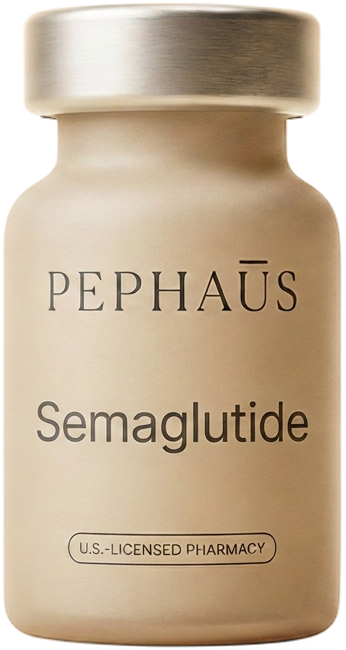
Headaches can show up during the first few weeks on semaglutide, especially as your dose steps up. Most of the time they're your body adjusting to the medication and how you're eating and drinking differently, and your provider has specific fixes that work.
Is this you?
Is this you?
If you nodded at two or three of those, keep reading.
You started semaglutide in the last two to four weeks and headaches appeared around the same time
The headache is worse on the day you inject or the day after
You're eating a lot less than before and not as thirsty as you used to be
You wonder if this is normal or a sign something's wrong
You're not sure whether to push through or call your provider
Your head feels foggy or achy but not unbearable
You've cut back on caffeine because your appetite dropped
Compounded semaglutide, prescribed online from $152/mo
One weekly shot. Provider visit and cold shipping included. Nothing charged unless you are prescribed.
See your yearly and weekly costWhy headaches happen on semaglutide
Semaglutide slows how fast your stomach empties and turns down hunger signals, which is how it helps with weight loss. That shift affects more than just appetite. You're eating less, drinking less without thinking about it, and your body is burning through stored energy differently. All of that can trigger headaches while your system adjusts.
Dehydration is the biggest cause. When you're not hungry you also tend to drink less water, and if nausea showed up you may be avoiding liquids without realizing it. Your provider will ask how much water you're getting and when, because timing matters as much as total ounces.
Blood sugar dips can show up as headaches, especially if you went from eating every few hours to one or two small meals a day. Semaglutide steadies blood sugar over time, but in the first few weeks your body is figuring out the new rhythm. If you're skipping breakfast and not hungry until dinner, your blood sugar may dip lower than your system is used to, and that registers as a headache.
Caffeine withdrawal sneaks up on people. If you were drinking three cups of coffee a day and your appetite dropped to where you're skipping your morning coffee, your body notices. The headache may not be the semaglutide itself, it's the caffeine your routine used to include.
The medication adjustment can cause headaches in some people as the body gets used to a GLP-1 in the system. These tend to ease up after the first two to three weeks on a steady dose.
What your provider checks
When you report a headache, your provider walks through a short list to figure out what's driving it. They ask when the headache started relative to your first dose and your most recent dose increase. They ask when the headache is worst during the week. If it peaks on injection day and fades by midweek, that points to the dose itself. If it's steady all week, hydration or eating pattern is more likely.
They check your water intake, and not just total ounces. They want to know if you're sipping throughout the day or drinking a bottle in the morning and then nothing until dinner. Steady hydration works better than loading up once.
They ask about meals. How many times a day are you eating now versus before you started? If you went from three meals and snacks to one meal and maybe a yogurt, your blood sugar pattern shifted, and that can show up as a headache.
They rule out caffeine withdrawal. If you used to drink coffee daily and you're not anymore, they'll suggest adding a small amount back.
They ask about other symptoms. A headache by itself is common and manageable. A headache with blurred vision or severe dizziness gets handled differently.
Ready when you are. Ten minutes on your phone.
Start my online visitWhat works to stop the headaches
Your provider's first fix is usually hydration with a specific plan. Drink eight ounces of water when you wake up, another eight ounces midmorning, another at lunch, and so on, hitting sixty-four ounces spread across the day. Set reminders if you're not feeling thirsty. Most people see the headache ease up within two to three days once hydration is steady.
If dehydration isn't the issue, they look at meal timing. Eating a small breakfast even when you're not hungry keeps your blood sugar from dipping too low by midday. A hardboiled egg, a piece of toast with peanut butter, or a protein shake counts.
They may adjust your dose step. If the headache showed up right after a dose increase and hydration and meals didn't fix it, staying at the current dose for another week or two gives your body more time to adjust.
For caffeine withdrawal headaches, they suggest keeping a small amount of caffeine in your routine. Half a cup of coffee in the morning or a cup of tea can prevent the withdrawal headache without interfering with the medication.
Timing your injection differently can help if the headache is worst on dose day. Some people do better injecting in the evening instead of the morning, so the peak medication level hits while they're asleep.
Electrolytes help when plain water isn't enough. If you're drinking plenty of water and still getting headaches, adding an electrolyte powder or drinking something with sodium and potassium can make a difference.
When the headaches ease up
Most people notice headaches fading after the first two to three weeks on a steady dose. Your body adjusts to the medication, your eating and drinking pattern settles, and the headaches stop. If you step up to a higher dose, a mild headache may come back for a few days and then fade again.
If the headache is from dehydration or meal timing, you'll see improvement within two to three days once you fix the pattern. If it's caffeine withdrawal, adding back a small amount of caffeine usually clears the headache within a day or two.
Headaches that last longer than three weeks on the same dose, or headaches that get worse instead of better, need a provider check.
The real thing vs the rest
Gummies and GLP-1 pills are not the same thing
The gummies and pills marketed for weight loss were never in the clinical trials that showed an average 15% body weight loss. Swallow a GLP-1 as a standard pill and about 1% reaches your blood. Inject it and about 80% does. Injectable compounded semaglutide from a licensed U.S. pharmacy is what the clinical trial results are based on, and it's what providers prescribe when they write for weight loss.
The real thing vs the rest
A gummy cannot do this. Not even close.
Weight loss gummies, so called GLP-1 pills and liposomal drops sold on social media were never in the clinical trials. Injectable tirzepatide and semaglutide were. Overseas research-only vials have no pharmacy and no physician behind them.

Weight loss gummies
0 mg
No GLP-1 medication inside. Fiber and plant extracts.
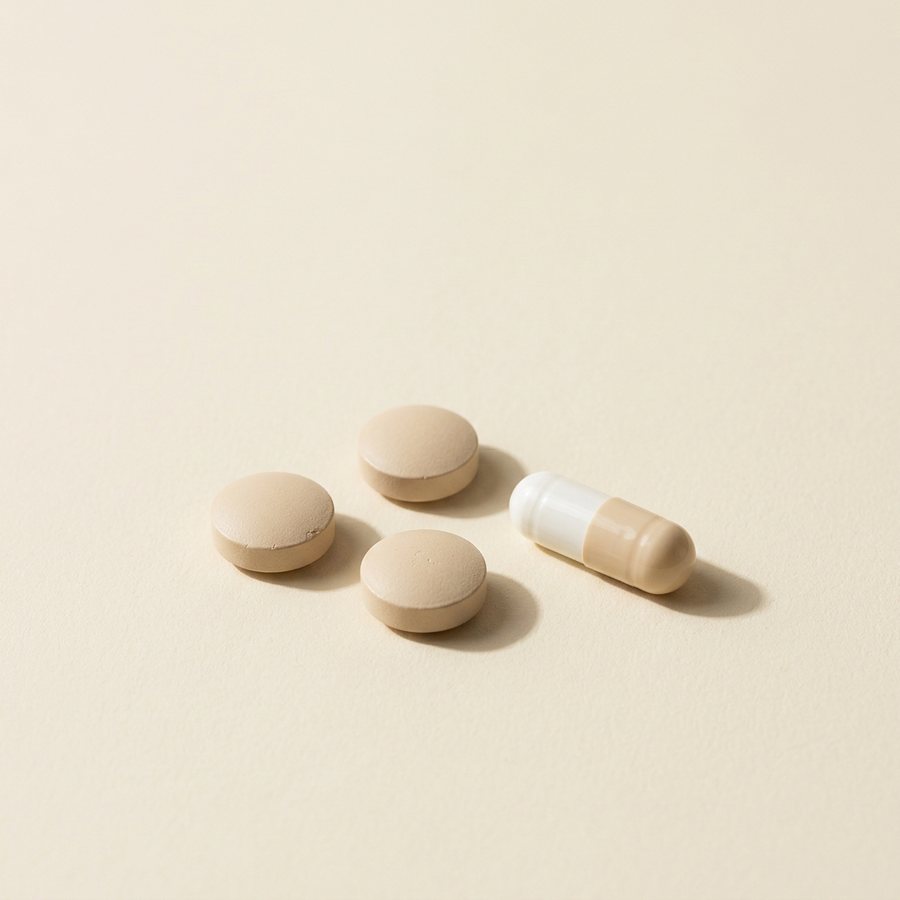
Pills and drops
about 1%
Swallow it and about 1 of every 100 units reaches your blood.
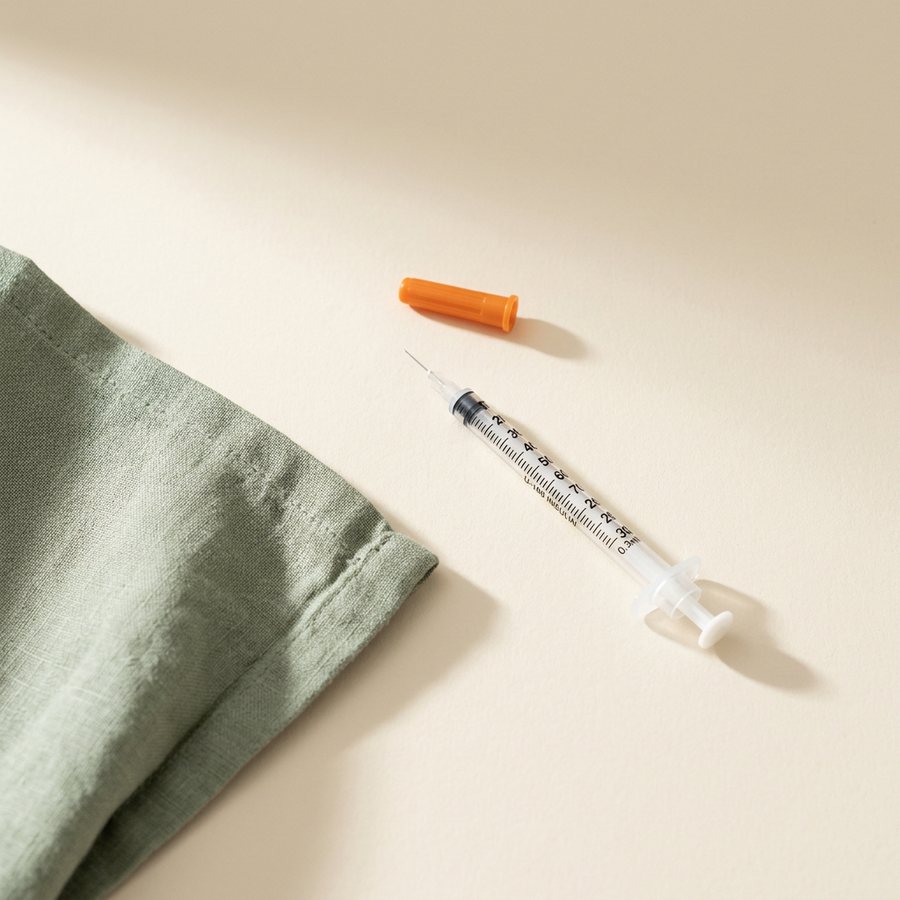
Weekly injection
about 80%
Absorbed from the fat layer. Nothing in the way.
Swallow it: about 1% reaches your blood. Inject it: about 80% does. Same comparison we show on our homepage.
| What you get | PepHaūs prescription | Gummies and “GLP-1 pills” | Grey market vials |
|---|---|---|---|
| Studied in clinical trials | |||
| Average loss in clinical trials | About 15% to 20% of body weight | None reported | Unknown |
| Physician licensed in your state | |||
| U.S.-licensed pharmacy | |||
| Tested product, cold shipped | |||
| Provider visit included | |||
| Dose tuned to you |
Pricing
What it costs
Compounded semaglutide costs $169 a month billed monthly, $160 a month on the quarterly plan, and $152 a month on the six month plan. The provider visit and shipping are included. There's never a doctor fee or membership charge. You can see the full pricing breakdown at compounded semaglutide cost, and the GLP-1 cost calculator shows what a year costs.
Pricing in your door
One price. Provider visit, medication and shipping included.
- First month$239
- 3-month plan$227/mo
- 6-month plan$215/mo
- First month$169
- 3-month plan$160/mo
- 6-month plan$152/mo
- Provider visit
- Medication
- Cold shipping to your door
- Refills on a schedule
- Care team messaging
- Cancel anytime online
LegitScript certified
A licensed U.S. pharmacy vs the grey market
Compounded semaglutide from a U.S.-licensed pharmacy is prescribed by a U.S.-licensed physician after a health review and compounded by a U.S.-licensed pharmacy that follows FDA standards. It ships cold packed to your door, and your provider adjusts your dose based on how you're doing and any side effects.
The grey market is research peptide vials sold online, usually from overseas, with no provider, no pharmacy, no testing, and no way to know what's in the vial.
FAQ
FAQ
Do headaches mean semaglutide isn't working?+
No. Headaches are a common adjustment symptom in the first few weeks, especially if hydration or meal timing shifted. The medication is still working to reduce hunger and slow digestion. Fixing the headache doesn't interfere with weight loss.
Should I stop taking semaglutide if I get a headache?+
Not without calling your provider first. Most headaches respond to hydration, meal timing, or a small dose adjustment. Your provider can walk you through fixes that let you keep going. Stopping on your own means you lose the progress you've made.
How long do semaglutide headaches last?+
Most headaches ease up within two to three weeks on a steady dose as your body adjusts. If the headache is from dehydration or skipped meals, you'll see improvement within two to three days. Headaches that last longer than three weeks or get worse need a provider check.
Can I take ibuprofen or Tylenol for a semaglutide headache?+
Yes, over the counter pain relievers are safe to use with semaglutide. Your provider may suggest trying those while the other fixes take effect.
Is a headache a sign of low blood sugar on semaglutide?+
It can be, especially if you're eating a lot less than before. If you're skipping meals or going many hours without eating, your blood sugar may dip lower than your system is used to, and that can show up as a headache. Eating a small breakfast or snack between meals usually fixes it.
Do headaches come back every time you increase the dose?+
Some people get a mild headache for a few days after a dose increase, then it fades. Not everyone experiences this, and it tends to be milder with each step up. If headaches return every time and don't improve, your provider may slow down the dose step schedule.
When should I call my provider about a headache on semaglutide?+
Call if the headache is severe, lasts longer than three weeks on the same dose, comes with blurred vision or severe dizziness, or gets worse instead of better. Also call if you've tried hydration, meal timing, and over the counter pain relief and the headache isn't improving. Headaches on semaglutide are common in the first few weeks and usually come down to hydration, meal timing, or caffeine withdrawal. Your provider has specific fixes that work, and most people see the headache clear up within a few days to a couple of weeks. You can start with a provider visit at PepHaūs , and if semaglutide fits your health profile you'll have your first dose within a few days. Also check out managing nausea and side effects on semaglutide and how to get semaglutide online .
Start your visit from your phone
Ten minutes on your phone. A physician licensed in your state. A box on your porch in 2 to 3 business days.
See if you qualifyYour care team
Every PepHaus visit is reviewed by a licensed physician from the Wasef Health Group provider network. A doctor reads your intake, decides if treatment fits, and sets your plan.
Meet the physiciansThis article is educational and is not medical advice. Compounded medications are not FDA-approved. Treatment requires evaluation by a licensed provider.