Compounded Semaglutide Side Effects After Stopping: What Happens Next
Your appetite returns and side effects fade when you stop. Here is what happens, how providers handle stopping or tapering, and what to plan for.
When you stop compounded semaglutide, your appetite returns within about two weeks as the medication clears your system, and the effects that helped with weight loss gradually fade. The side effects you had while taking it go away first, but you can get mild digestive adjustments as your body recalibrates.
Is this you?
Is this you?
You are thinking about stopping, or you already stopped, and you want to know what comes next:
If you nodded at two or three of those, keep reading.
You reached your goal weight and you wonder if you can stay there without the medication
Side effects made it hard to keep going and you want to know if anything lingers
You stopped a few weeks ago and your appetite came back stronger than expected
You are curious whether stopping cold turkey is different from tapering down
The monthly cost added up and you want to know what happens if you pause
You want to transition to a maintenance dose but you are not sure how that works
Compounded semaglutide, prescribed online from $152/mo
One weekly shot. Provider visit and cold shipping included. Nothing charged unless you are prescribed.
See your yearly and weekly costWhat happens when semaglutide clears
Semaglutide leaves your system in about five to seven weeks after your last shot. The half-life is around seven days, so each week cuts the level in your blood roughly in half. Most people notice changes within the first two weeks.
Your appetite returns first. The medication suppresses hunger signals and slows how fast your stomach empties. When those effects fade, food starts sounding appealing again and you can feel hungry between meals. That shift happens for just about everyone and it is your baseline coming back, not a rebound.
Some people report their appetite feels stronger than before they started, but that settles within a month. The eating habits and activity patterns you built while on treatment make a difference here. If you kept protein high, stayed active, and paid attention to fullness cues, the transition is smoother.
Digestive adjustments are common in the first few weeks. If semaglutide slowed your digestion, stopping can speed it back up, and that sometimes means looser stools or a little cramping for a week or two. If you had nausea or bloating on the medication, those clear within days.
Weight regain is possible. Studies show people who stop without a maintenance plan tend to regain some of what they lost. Keeping the weight off takes effort once the medication is gone. That is why providers talk through a plan before you stop.
Stopping versus tapering
Most providers prefer a taper if you are stopping by choice. Tapering means stepping down your dose over a few weeks instead of going from your full dose straight to zero. A typical taper drops you to half your current dose for two to four weeks, then stops.
Tapering can make the transition less jarring, but it is not medically required. If you miss a dose or your prescription lapses, you can stop without tapering and your body handles it fine. The medication does not cause physical withdrawal. What people call withdrawal symptoms are the return of appetite and digestive recalibration, and those happen whether you taper or stop cold.
When someone stops because of side effects, providers do not taper. If nausea made the medication hard to tolerate, waiting weeks for it to clear just extends the discomfort. Stopping right away is faster.
If you are pausing for surgery or travel, your provider can help you plan the timing. Semaglutide takes about five weeks to mostly clear. Restarting after a pause means going back to a lower dose and titrating up again.
Ready when you are. Ten minutes on your phone.
Start my online visitWhat to plan for
The transition off semaglutide goes better when you have a plan for the appetite shift. Keep the eating patterns that worked while you were on treatment: portion sizes that fit your goal, meals with enough protein, and planned snacks instead of grabbed ones when hunger hits hard.
Staying active helps. The muscle you built or kept while losing weight keeps your metabolism higher. If you were walking, lifting, or doing another routine while on semaglutide, keeping that going after you stop gives you an edge.
Some people transition to a maintenance dose instead of stopping. Maintenance means staying on a lower dose that keeps appetite manageable without pushing further weight loss. Your provider sets the dose based on how your body responds.
If weight starts creeping back up, restarting is an option. You would titrate back up from a starting dose just like the first time, and the medication works the same way. The second round tends to go smoother because you already know what to expect.
The real thing vs the rest
Gummies and GLP-1 pills are not the same thing
If you are thinking about switching to a gummy version after you stop injections, the absorption matters. When you swallow semaglutide in a gummy or liposomal form, stomach acid breaks most of it down and about one percent reaches your blood. Inject it and about 80 percent does.
Injectable tirzepatide averaged about 20 percent total body weight loss in clinical trials, and semaglutide about 15 percent. The gummies people buy at stores were not part of those trials. If you stop injectable semaglutide and want to maintain with medication, talk to your provider about what works at a dose that gets into your system.
The real thing vs the rest
A gummy cannot do this. Not even close.
Weight loss gummies, so called GLP-1 pills and liposomal drops sold on social media were never in the clinical trials. Injectable tirzepatide and semaglutide were. Overseas research-only vials have no pharmacy and no physician behind them.

Weight loss gummies
0 mg
No GLP-1 medication inside. Fiber and plant extracts.
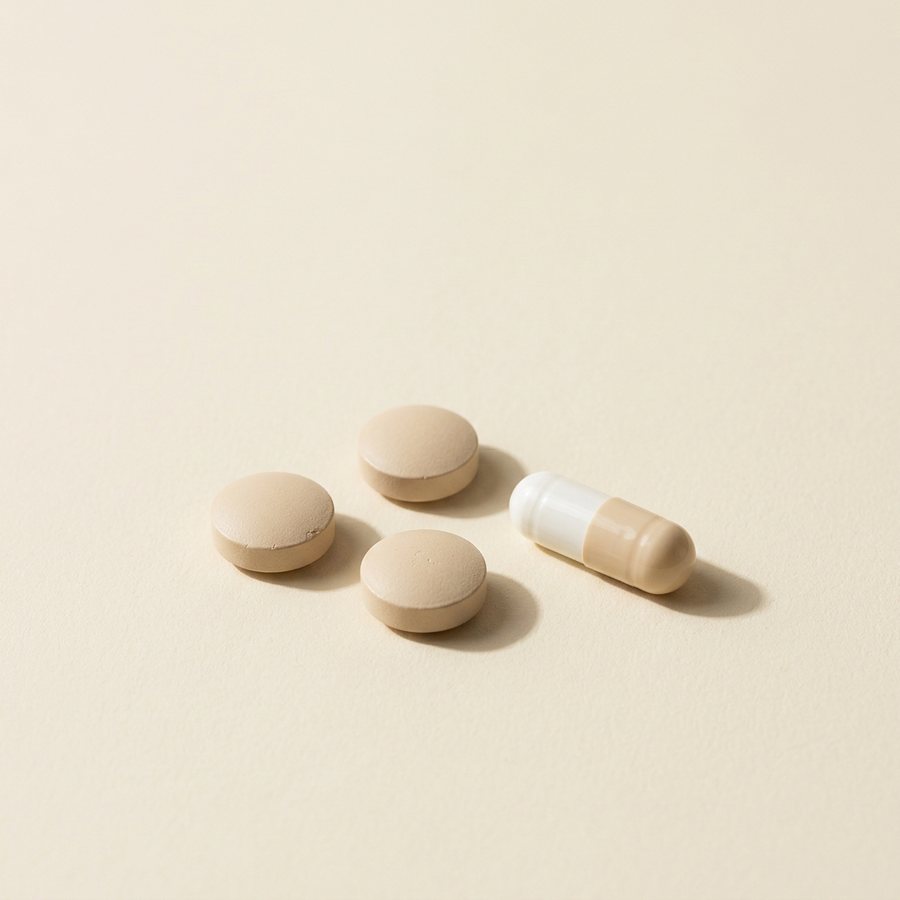
Pills and drops
about 1%
Swallow it and about 1 of every 100 units reaches your blood.
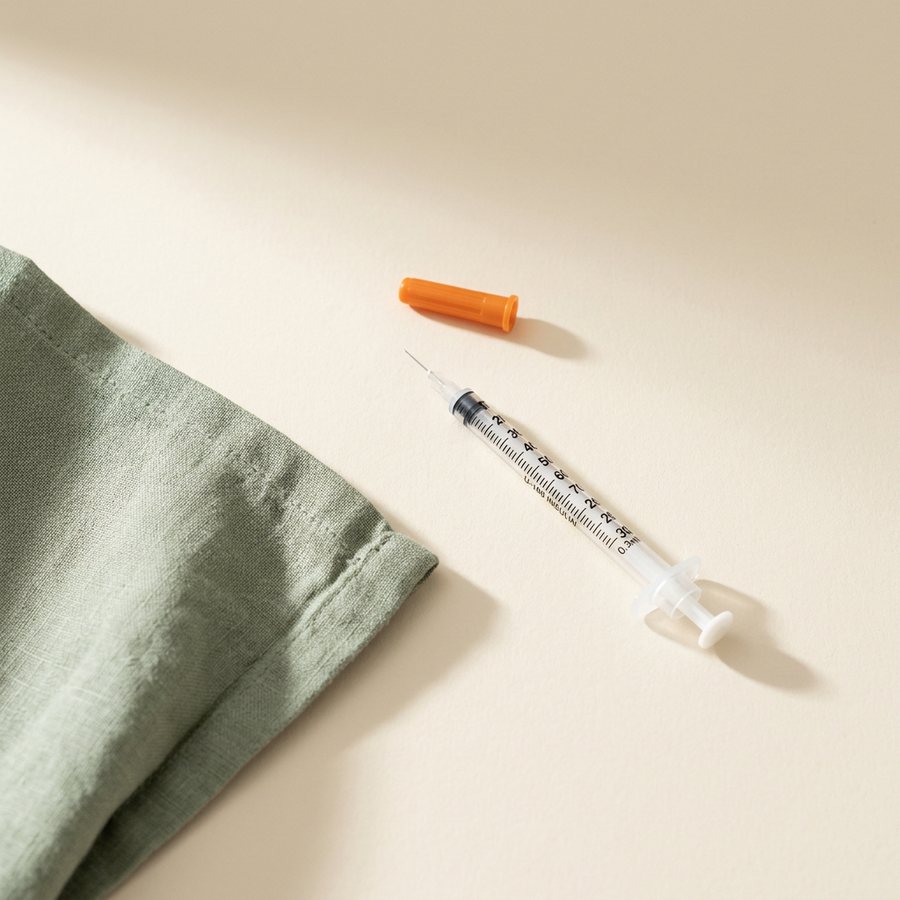
Weekly injection
about 80%
Absorbed from the fat layer. Nothing in the way.
Swallow it: about 1% reaches your blood. Inject it: about 80% does. Same comparison we show on our homepage.
| What you get | PepHaūs prescription | Gummies and “GLP-1 pills” | Grey market vials |
|---|---|---|---|
| Studied in clinical trials | |||
| Average loss in clinical trials | About 15% to 20% of body weight | None reported | Unknown |
| Physician licensed in your state | |||
| U.S.-licensed pharmacy | |||
| Tested product, cold shipped | |||
| Provider visit included | |||
| Dose tuned to you |
Pricing
What it costs to stay on a maintenance dose
If you want to stay on semaglutide at a maintenance dose, compounded semaglutide from a licensed U.S. pharmacy runs $169 a month when you pay monthly, $160 a month on the quarterly plan, and $152 a month if you pay for six months up front. That includes the provider visit, the medication compounded by a U.S.-licensed pharmacy, and free expedited shipping. There is no doctor fee, no membership, and you can cancel anytime.
The compounded semaglutide cost page breaks down what you pay at each plan length, and the GLP-1 cost calculator lets you compare semaglutide to tirzepatide over time.
Pausing and restarting later is also an option, and there is no penalty for taking a break. When you restart, you work back up through titration, which takes a couple of months to get to the dose that worked before.
Pricing in your door
One price. Provider visit, medication and shipping included.
- First month$239
- 3-month plan$227/mo
- 6-month plan$215/mo
- First month$169
- 3-month plan$160/mo
- 6-month plan$152/mo
- Provider visit
- Medication
- Cold shipping to your door
- Refills on a schedule
- Care team messaging
- Cancel anytime online
LegitScript certified
A licensed U.S. pharmacy vs the grey market
Compounded semaglutide prescribed by a U.S.-licensed physician and compounded by a U.S.-licensed pharmacy means someone reviewed your health, the medication is made to FDA standards, and you have support if something feels off.
The grey market sells research vials shipped from overseas with no prescription, no provider, and no testing for purity or dose accuracy. If you stop one of those and something feels wrong, there is no one to call. The pharmacy path costs more up front, but the safety gap is the difference between regulated healthcare and buying chemicals online.
FAQ
FAQ
How long does it take for semaglutide to fully leave your system?+
About five to seven weeks after your last injection. The half-life is around seven days, so the amount in your blood drops by half each week. Most effects fade within the first two weeks.
Will I gain all the weight back after I stop semaglutide?+
Not automatically, but weight regain is common without a plan. How much depends on the habits you kept and whether you stay active. A maintenance dose, deliberate eating habits, and regular movement all reduce regain.
Can I stop semaglutide cold turkey or do I need to taper?+
You can stop without tapering. Semaglutide does not cause physical withdrawal. Tapering by dropping to half your dose for a few weeks can make the appetite shift less sudden, but it is not medically required.
What are the withdrawal symptoms of compounded semaglutide?+
There are no true withdrawal symptoms. What people describe as withdrawal is appetite coming back, mild digestive changes like looser stools for a week or two, and sometimes feeling hungrier than before. Those effects are your baseline returning.
How do I keep the weight off after stopping semaglutide?+
Keep the eating and activity habits that worked while you were on the medication. Meals with enough protein, portion sizes that fit your goal, planned snacks, and regular movement all help. Some people stay on a lower maintenance dose.
Can I restart semaglutide after stopping?+
Yes. If you restart, you titrate back up from a starting dose just like the first time. The medication works the same way, and providers see people stop and restart for all kinds of reasons.
Does semaglutide cause rebound hunger after stopping?+
Your appetite returns to baseline when the medication clears, and some people feel it comes back stronger. That settles within a month. It is not a true rebound, it is hunger signals that were suppressed for months suddenly back at full volume. When you stop compounded semaglutide, your body recalibrates over a few weeks. Having a plan for that transition makes the shift manageable. If you are thinking about stopping or you already did and you want support, a provider who knows your history can walk you through what comes next. Get started with compounded semaglutide prescribed by a U.S.-licensed provider, or read the semaglutide guide for the full picture. For more on staying on treatment long term, check out semaglutide maintenance dose after titration and semaglutide results by week .
Start your visit from your phone
Ten minutes on your phone. A physician licensed in your state. A box on your porch in 2 to 3 business days.
See if you qualifyYour care team
Every PepHaus visit is reviewed by a licensed physician from the Wasef Health Group provider network. A doctor reads your intake, decides if treatment fits, and sets your plan.
Meet the physiciansThis article is educational and is not medical advice. Compounded medications are not FDA-approved. Treatment requires evaluation by a licensed provider.