Managing Nausea and Side Effects on Semaglutide
Most people on semaglutide stay comfortable when the dose steps up slowly and they eat smaller portions.
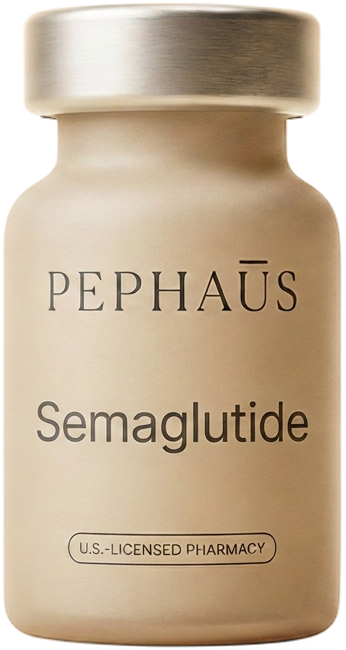
Semaglutide can help you lose about 15% of your body weight in clinical trials. Most people stay comfortable when the dose steps up slowly and they use timing strategies to minimize nausea. Side effects like nausea, constipation, and fatigue show up in the first few weeks for many people, and they fade as your body adjusts. Knowing what to expect and how to manage side effects keeps you on track.
Is this you?
Is this you?
If any of these sound familiar, keep reading.
You started semaglutide and felt queasy after the first shot. You wonder if nausea goes away or if it lasts the whole time. You want to eat less but you do not want to feel sick. Your provider told you to start low but you are not sure what that means. You pushed the dose up too fast and now everything makes you feel full. You want results but you also want to feel good. The scale is moving but you worry about side effects. You read online that everyone gets nausea and you want to know if that is true. If you nodded at two or three of those, keep reading.
Compounded semaglutide, prescribed online from $152/mo
One weekly shot. Provider visit and cold shipping included. Nothing charged unless you are prescribed.
See your yearly and weekly costWhy nausea happens on semaglutide
Semaglutide slows how fast your stomach empties. That is part of how it works. You feel full sooner, you eat less, you lose weight. For most people that feels like being satisfied after a smaller portion. For some people it shows up as nausea, especially in the first few weeks or when the dose steps up.
Your provider starts low and steps up slowly because that is how most people stay comfortable. The trials that posted 15% average body weight loss did not rush the dose. They gave the body time to adjust.
Nausea is most common in the first four to six weeks and again when the dose increases. The mechanism is the same at every dose level: slower gastric emptying, which gives your brain more time to register fullness. For most people, nausea peaks on day two or three after the shot and fades by day five or six.
Injection timing matters
Many people find that injecting semaglutide at night before bed helps them sleep through the worst of any nausea. The peak effect happens about 24 to 48 hours after your shot, but some people feel queasy within a few hours. Taking it at night means you wake up feeling better.
Pick the same time each week. Saturday night works for many people because it gives Sunday to rest if needed. Consistency helps your body adjust.
Some people prefer morning injections because they want to be awake when side effects show up. They can manage nausea during the day with small meals and ginger. Either approach works, the key is picking the same day and time every week.
Ready when you are. Ten minutes on your phone.
Start my online visitWhat helps when nausea shows up
Eat smaller portions. If a full plate makes you feel sick, put half on the plate and save the rest. Protein helps you feel full without the heavy feeling. A chicken breast, eggs, Greek yogurt. Skip the fried food and the heavy sauces for the first few weeks. Drink water between bites, not during the meal.
Most people feel better if they eat slower. Put the fork down between bites. Give your stomach time to catch up. Nausea is often worst when you eat too fast or too much at once.
Ginger helps. Ginger tea, ginger chews, or crystallized ginger can settle your stomach. Some people sip ginger ale, but watch the sugar. Plain ginger tea works better. Keep some on hand for the first few weeks.
Stay hydrated. Dehydration makes nausea worse. Sip water throughout the day. Cold water or ice chips can help when you feel queasy. Avoid drinking a lot at once, which can make you feel fuller and more nauseous.
If nausea lasts more than a few days or if you cannot keep food down, message your provider. They can hold the dose where it is or step it back down. You do not push through severe nausea. You adjust.
Eating bland foods like crackers, toast, rice, or bananas can help when nausea is strong. Avoid spicy, acidic, or heavily seasoned foods for the first week after your shot. Strong smells from cooking can make nausea worse, so keep meals simple.
Other side effects and how to manage them
Constipation is common on semaglutide because the medication slows digestion. Drink more water, add fiber to your diet through vegetables or a fiber supplement, and walk for 10 or 15 minutes after meals. If constipation lasts more than a few days, a stool softener like docusate sodium helps. Avoid laxatives unless your provider recommends one.
Diarrhea happens less often but it shows up for some people, especially when the dose increases. Stick to simple, easy to digest foods like rice, chicken, and bananas. Avoid greasy or fried food. Stay hydrated because diarrhea can dehydrate you fast. If diarrhea lasts more than two days or if you see blood, message your provider.
Fatigue is common in the first few weeks. Your body is adjusting to eating less and the medication slowing digestion. Most people feel more energy by week four or five. If fatigue lasts longer or gets worse, check with your provider. Low blood sugar can cause fatigue, so make sure you are eating enough protein and calories.
Headaches can show up in the first week or two. Dehydration is often the cause, so drink more water. If headaches continue after the first week, try taking your shot at a different time of day. Over the counter pain relievers like ibuprofen or acetaminophen help, but check with your provider if headaches are severe or do not go away.
Bloating and gas happen because semaglutide slows how fast food moves through your digestive system. Eat smaller meals, chew your food slowly, and avoid carbonated drinks. Peppermint tea can help settle your stomach and reduce bloating. Most bloating fades after the first month.
Acid reflux or heartburn can get worse on semaglutide because food sits in your stomach longer. Avoid lying down right after eating. Wait at least two hours before bed. Eat smaller meals and avoid trigger foods like chocolate, caffeine, spicy food, and alcohol. If reflux gets worse, your provider can recommend an antacid or a prescription medication.
Foods that work best on semaglutide
Lean protein is your foundation. Chicken breast, turkey, fish, eggs, and Greek yogurt keep you full without making you feel heavy. Protein digests slowly, so it pairs well with how semaglutide works.
Non-starchy vegetables like spinach, broccoli, bell peppers, zucchini, and cucumbers add fiber and volume without a lot of calories. They help you feel full and support digestion.
Simple carbs like white rice, plain pasta, and potatoes are easier to digest than whole grains when nausea is strong. Once side effects fade, you can add back whole grains like oatmeal and quinoa.
Avoid fried food, heavy cream sauces, full fat cheese, and greasy meals. These sit in your stomach longer and make nausea worse. Skip large portions of red meat, especially during the first few weeks after a new dose.
Avoid alcohol for the first few weeks. Alcohol can irritate your stomach and make nausea, reflux, and dehydration worse. If you drink later, stick to one drink and see how you feel.
When to message your provider
Most side effects are mild and fade within a few weeks. You message your provider if any of these show up:
Severe nausea that lasts more than three days or keeps you from eating. Your provider can lower the dose, hold you at your current dose longer, or prescribe an anti-nausea medication like ondansetron.
Vomiting that happens more than once a day or lasts more than 24 hours. Severe vomiting can lead to dehydration, which makes side effects worse.
Severe abdominal pain, especially pain that gets worse over time or feels sharp. This can be a sign of pancreatitis, which is rare but serious.
Vision changes, persistent dizziness, or confusion. These can be signs of low blood sugar or dehydration.
Signs of an allergic reaction, including hives, swelling of the face or throat, or difficulty breathing. Stop taking semaglutide and get medical help right away.
Constipation that lasts more than four or five days, or if you have severe bloating or abdominal pain with constipation.
Any side effect that feels severe or does not go away. Your provider can adjust the dose or timing to help you stay comfortable.
How side effects change as the dose increases
Most people notice side effects are strongest in the first month and when the dose steps up. At 0.25mg, nausea is mild if it shows up at all. At 0.5mg, appetite drops more and side effects get a little stronger for a few days. By the time you reach 1mg or 1.7mg, your body has adapted and side effects are less noticeable.
Each time the dose increases, you might feel mild nausea or fatigue for two or three days. That is normal. The side effects peak around day two or three after the shot and fade by day five or six. If side effects last longer than a week, message your provider.
Your provider increases the dose every four weeks in most cases. Some people need more time at each dose level, and that is fine. The goal is to find the dose that controls your appetite and supports weight loss without making you feel sick.
The real thing vs the rest
Gummies and GLP-1 pills are not the same thing
You will see gummies and pills sold as GLP-1 alternatives. They were never in the clinical trials. Swallow a GLP-1 pill and about 1% reaches your blood. Inject semaglutide and about 80% does. Injectable semaglutide posted about 15% average body weight loss in the trials. A gummy cannot do that, not even close.
The real thing vs the rest
A gummy cannot do this. Not even close.
Weight loss gummies, so called GLP-1 pills and liposomal drops sold on social media were never in the clinical trials. Injectable tirzepatide and semaglutide were. Overseas research-only vials have no pharmacy and no physician behind them.

Weight loss gummies
0 mg
No GLP-1 medication inside. Fiber and plant extracts.
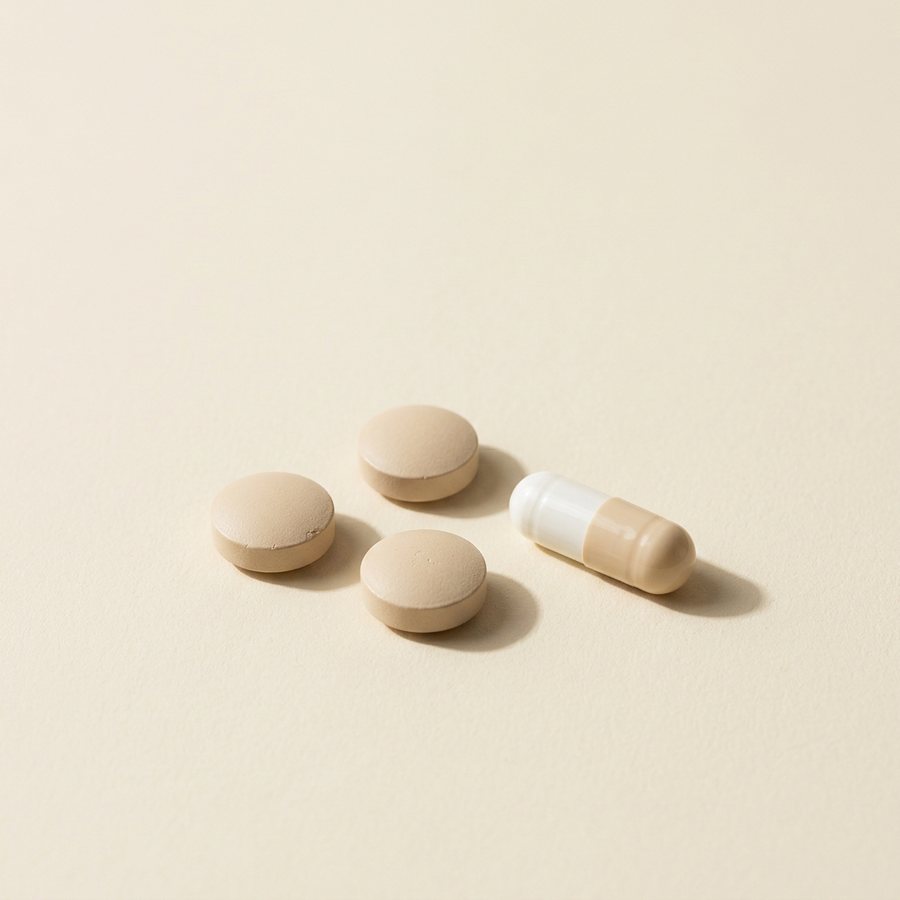
Pills and drops
about 1%
Swallow it and about 1 of every 100 units reaches your blood.
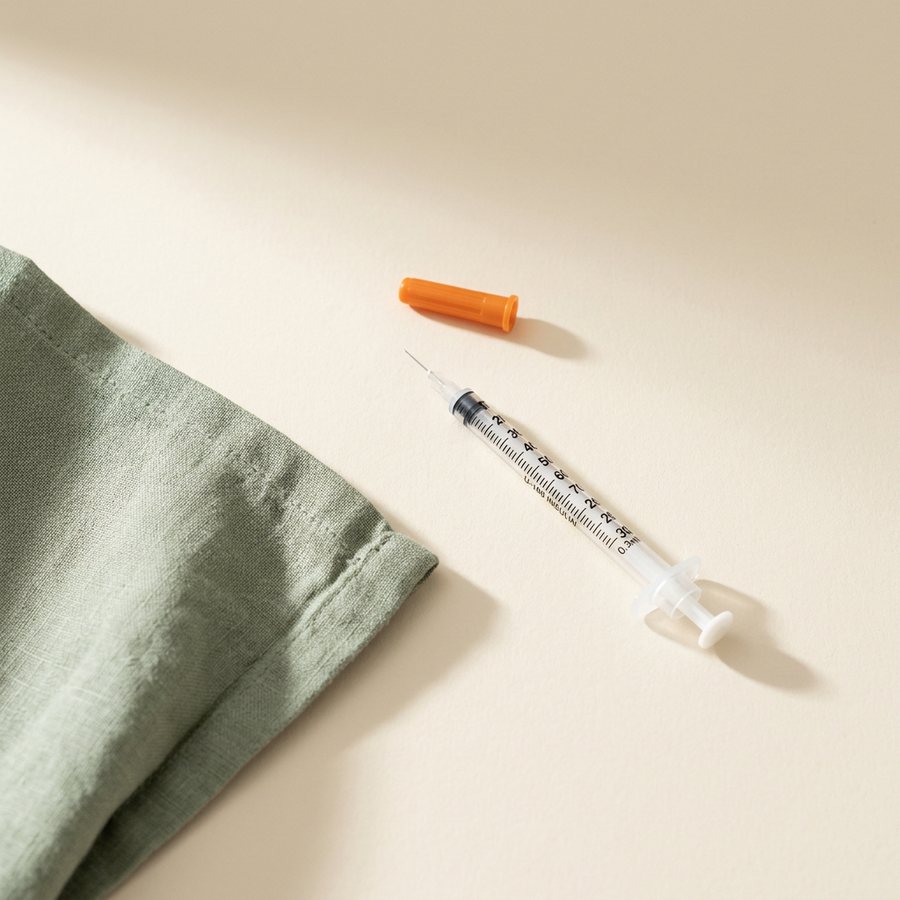
Weekly injection
about 80%
Absorbed from the fat layer. Nothing in the way.
Swallow it: about 1% reaches your blood. Inject it: about 80% does. Same comparison we show on our homepage.
| What you get | PepHaūs prescription | Gummies and “GLP-1 pills” | Grey market vials |
|---|---|---|---|
| Studied in clinical trials | |||
| Average loss in clinical trials | About 15% to 20% of body weight | None reported | Unknown |
| Physician licensed in your state | |||
| U.S.-licensed pharmacy | |||
| Tested product, cold shipped | |||
| Provider visit included | |||
| Dose tuned to you |
Pricing
What it costs
Compounded semaglutide from PepHaūs is $296 at the starting dose, $287 at mid dose, $278 at maintenance. Provider visit and shipping included. No doctor fee. Refills ship on your schedule so you never run out.
Pricing in your door
One price. Provider visit, medication and shipping included.
- First month$239
- 3-month plan$227/mo
- 6-month plan$215/mo
- First month$169
- 3-month plan$160/mo
- 6-month plan$152/mo
- Provider visit
- Medication
- Cold shipping to your door
- Refills on a schedule
- Care team messaging
- Cancel anytime online
LegitScript certified
A licensed U.S. pharmacy vs the grey market
You can buy research-only vials from overseas sellers. No pharmacy, no provider, no testing. PepHaūs is compounded by a U.S. pharmacy, prescribed by a U.S. physician. You message the care team when a question comes up. You know what you got.
FAQ
FAQ
Does nausea on semaglutide go away?+
For most people, yes. Nausea is most common in the first few weeks and when the dose steps up. Your body adjusts. If it lasts or gets worse, message your provider.
How do I avoid feeling sick on semaglutide?+
Eat smaller portions, choose protein over heavy food, drink water between bites. Skip fried food and big meals for the first few weeks. Most people stay comfortable when the dose steps up slowly. Inject at night before bed to sleep through peak nausea.
What should I do if I feel nauseous after my semaglutide shot?+
Eat a small meal with protein. Drink water. Avoid heavy or fried food. Try ginger tea or ginger chews. If nausea lasts more than a few days or if you cannot keep food down, message your provider.
Can I take anti-nausea medication with semaglutide?+
Ask your provider first. Some people find ginger tea or crackers help. Your provider can prescribe anti-nausea medication if you need it. Ondansetron is prescribed when nausea is severe.
How long do semaglutide side effects last?+
Most side effects are strongest in the first few weeks and when the dose steps up. Nausea, bloating, and feeling full happen early and often go away as your body adjusts. By month two or three, most people feel normal between doses.
Should I stop semaglutide if I feel nauseous?+
No. Message your provider first. They can hold the dose where it is or step it back down. Most people stay comfortable with a slower dose increase.
When is the best time to inject semaglutide to avoid nausea?+
Many people inject at night before bed. That way you sleep through the first few hours when nausea can be worst. Pick the same day and time each week for consistency.
What foods should I avoid on semaglutide?+
Avoid fried food, heavy sauces, greasy meals, and large portions in the first few weeks. These make nausea worse. Stick to lean protein, vegetables, and smaller portions.
Can dehydration make semaglutide nausea worse?+
Yes. Dehydration makes nausea worse. Sip water throughout the day. Cold water or ice chips help when you feel queasy. Avoid drinking a lot at once.
How do I manage constipation on semaglutide?+
Drink more water, add fiber through vegetables or a supplement, and walk for 10 or 15 minutes after meals. A stool softener like docusate sodium helps if constipation lasts more than a few days. Message your provider if it does not improve.
What helps with fatigue on semaglutide?+
Make sure you are eating enough protein and calories. Fatigue is common in the first few weeks as your body adjusts. Most people feel more energy by week four or five. If fatigue lasts longer, check with your provider.
Can I drink alcohol on semaglutide?+
Avoid alcohol for the first few weeks. Alcohol can irritate your stomach and make nausea, reflux, and dehydration worse. If you drink later, stick to one drink and see how you feel. You can start at thepephaus.com. Provider visit is online, ten minutes. First shipment about two to three business days after approval.
Start your visit from your phone
Ten minutes on your phone. A physician licensed in your state. A box on your porch in 2 to 3 business days.
See if you qualifyYour care team
Every PepHaus visit is reviewed by a licensed physician from the Wasef Health Group provider network. A doctor reads your intake, decides if treatment fits, and sets your plan.
Meet the physiciansThis article is educational and is not medical advice. Compounded medications are not FDA-approved. Treatment requires evaluation by a licensed provider.