Tirzepatide Side Effects When Increasing Dose: What Happens and How Providers Help
Side effects often return when you step up your tirzepatide dose, but they ease within a week as your body adjusts.
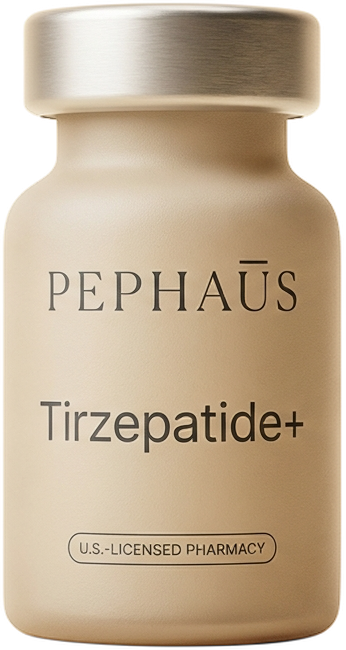
When you increase your tirzepatide dose, your body can react more strongly in the first few days because the higher amount slows digestion more and signals your brain differently about fullness. Most people notice nausea, looser stools, or less appetite for about three to five days after a step up, then those ease as the body adjusts.
Is this you?
Is this you?
You are about to step up your tirzepatide dose and want to know what might happen. You just increased and are feeling off. You have heard nausea can get worse with each increase and want to be ready. You are nervous about the jump to 7.5mg or 10mg because people say those hit different. You want to know what your provider watches for and when they slow the titration down. You are trying to plan your dose increase around work or travel. If you nodded at two or three of those, keep reading.
Compounded tirzepatide, prescribed online from $215/mo
One weekly shot. Provider visit and cold shipping included. Nothing charged unless you are prescribed.
See your yearly and weekly costWhy side effects show up again when the dose goes up
Tirzepatide slows how fast food leaves your stomach, and a higher dose slows it more. When you step from 2.5mg to 5mg or from 5mg to 7.5mg, your stomach takes longer to empty than it did on the previous dose. That can bring on nausea, bloating, or that too full feeling even when you ate a normal amount.
The compound also acts on GLP-1 and GIP receptors in your gut and brain. A bigger dose sends a stronger signal. Your gut gets the message to slow down, and your brain gets the message that you are full. Those signals take a few days to settle in.
Most people notice side effects are strongest in the first 48 to 72 hours after the new dose. By day four or five, the body has adapted and symptoms ease. Some people sail through dose increases with no new symptoms. Others feel every step up for about a week. Both are normal, and a licensed provider checks in around each increase.
What happens at each dose step
At 2.5mg, most people feel mild nausea for a day or two after the first shot, then nothing. The 2.5mg dose is a starter dose, not a full treatment dose.
Stepping to 5mg is where more people notice side effects return. Nausea can come back for three to five days. Stools may get looser or you might feel backed up. Food sounds less appealing. Providers tell you to eat smaller meals, sip water through the day, and avoid greasy food right after your shot.
The jump to 7.5mg brings the same pattern but a little more pronounced. Nausea can last a few days. Bloating or that overly full feeling after a regular meal is common. Most adjust within a week.
At 10mg, side effects can feel stronger again for the first few days. Nausea, changes in bowel habits, and low appetite are the big three. Providers watch this dose closely and may hold you here longer before moving to 12.5mg or 15mg.
At 12.5mg and 15mg, the same pattern holds. Side effects show up in the first few days, then settle. By the time you reach these doses, you know how your body reacts.
Ready when you are. Ten minutes on your phone.
Start my online visitHow providers manage side effects during titration
A licensed physician reviews your health history before you start and sets the titration schedule. The standard pace is one dose level every four weeks, but that can stretch to five or six weeks if side effects are harder to manage.
If nausea or other side effects are moderate to strong at one dose, the provider may hold you there an extra month. The goal is steady weight loss without side effects that interfere with your day.
Providers also adjust what you take with the shot. Some people do better taking their dose in the evening so any nausea hits while they sleep. Others prefer morning. The provider walks through those timing options.
Anti nausea support is common. Providers may prescribe ondansetron or suggest ginger or vitamin B6. Staying hydrated helps. Eating small, frequent meals instead of three big ones keeps your stomach from getting too full or too empty, both of which can worsen nausea.
If side effects are severe, the provider can drop you back to the previous dose for another month, then try the increase again.
The real thing vs the rest
Gummies and GLP-1 pills are not the same thing
You may have seen tirzepatide gummies or pills marketed online. Those were never in the clinical trials. When you swallow a peptide like tirzepatide, your stomach breaks it down and about 1 percent reaches your blood. When you inject it under the skin, about 80 percent gets into your system.
In clinical trials, people on injectable tirzepatide lost about 20 percent of their body weight on average. The gummy and pill versions have no published trials showing that kind of result. A U.S. licensed pharmacy compounds tirzepatide as an injection, prescribed by a U.S. licensed physician.
The real thing vs the rest
A gummy cannot do this. Not even close.
Weight loss gummies, so called GLP-1 pills and liposomal drops sold on social media were never in the clinical trials. Injectable tirzepatide and semaglutide were. Overseas research-only vials have no pharmacy and no physician behind them.

Weight loss gummies
0 mg
No GLP-1 medication inside. Fiber and plant extracts.
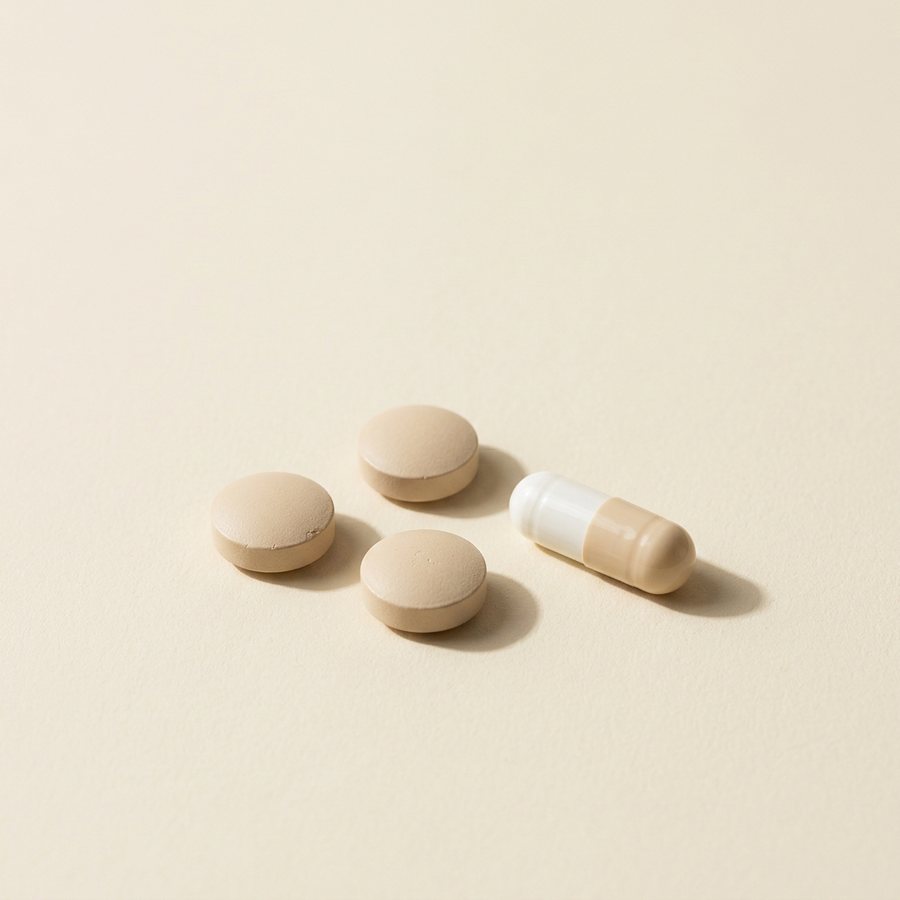
Pills and drops
about 1%
Swallow it and about 1 of every 100 units reaches your blood.
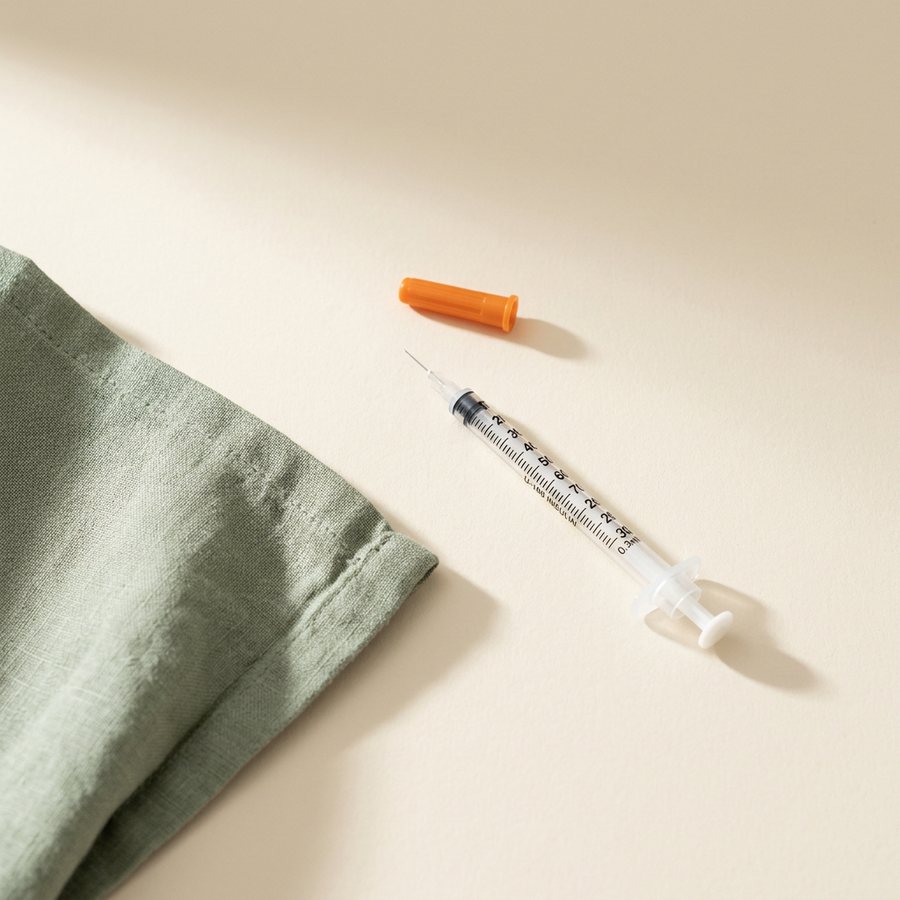
Weekly injection
about 80%
Absorbed from the fat layer. Nothing in the way.
Swallow it: about 1% reaches your blood. Inject it: about 80% does. Same comparison we show on our homepage.
| What you get | PepHaūs prescription | Gummies and “GLP-1 pills” | Grey market vials |
|---|---|---|---|
| Studied in clinical trials | |||
| Average loss in clinical trials | About 15% to 20% of body weight | None reported | Unknown |
| Physician licensed in your state | |||
| U.S.-licensed pharmacy | |||
| Tested product, cold shipped | |||
| Provider visit included | |||
| Dose tuned to you |
What to eat around dose increases
The first few days after you step up your dose, lighter meals work better. Think protein and vegetables, not heavy pasta or fried food. Soup, eggs, yogurt, and lean protein shakes are good choices when nausea is present.
Avoid alcohol for the first few days after an increase. Skip spicy food and anything greasy.
Eat smaller portions more often. Instead of three big meals, try five or six small ones. That keeps your stomach from getting too full.
Protein matters. You are losing weight and you want to keep muscle. Aim for at least 0.7 grams of protein per pound of your goal body weight. Protein also helps you feel satisfied on less food.
Stay hydrated. Sip water through the day. If plain water does not sound good, try water with lemon or herbal tea.
When to hold the dose increase
If side effects at your current dose are still moderate to strong when the next increase is due, tell your provider. They will likely hold you at that dose for another month.
If you are losing weight steadily and feeling good on your current dose, there is no rush to increase. Some people stay at 5mg or 7.5mg for months because it is working.
If you get severe nausea, vomiting more than once in 24 hours, or signs of dehydration like dark urine or dizziness when you stand, contact your provider right away.
Pricing
What it costs
Compounded tirzepatide from a U.S. licensed pharmacy costs $239 a month on the monthly plan, $227 a month if you pay quarterly, and $215 a month on the six month plan. That includes the provider visit, the medication compounded by a licensed U.S. pharmacy, and shipping. No doctor fee, no membership fee. You can see the full breakdown at the compounded tirzepatide cost page.
The GLP-1 cost calculator shows what you pay over three months, six months, or a year.
Pricing in your door
One price. Provider visit, medication and shipping included.
- First month$239
- 3-month plan$227/mo
- 6-month plan$215/mo
- First month$169
- 3-month plan$160/mo
- 6-month plan$152/mo
- Provider visit
- Medication
- Cold shipping to your door
- Refills on a schedule
- Care team messaging
- Cancel anytime online
LegitScript certified
A licensed U.S. pharmacy vs the grey market
Compounded tirzepatide from a licensed 503A pharmacy in the U.S. is legal, tested, and prescribed by a licensed physician who reviews your health history. The vials come labeled with the dose, the compounding date, and the pharmacy information.
Research vials sold online from overseas labs have no pharmacy oversight, no sterility testing, and no provider checking your health before you inject. The dose can be off. The vial can be contaminated.
FAQ
FAQ
How long do side effects last after increasing my tirzepatide dose?+
Most people notice side effects peak in the first 48 to 72 hours after a dose increase, then ease by day four or five. By the time your next weekly shot is due, you usually feel back to normal. If symptoms last longer than a week, your provider may hold the next increase or drop you back to the previous dose.
Can I take anti nausea medication with tirzepatide?+
Yes. Providers often prescribe ondansetron or suggest ginger or vitamin B6 to help with nausea during dose increases. Anti nausea meds do not interfere with how tirzepatide works. Many people use them for the first few days after stepping up and then stop once the nausea fades.
Should I skip my dose increase if I am still feeling side effects?+
Tell your provider if you are still experiencing moderate side effects when the next increase is due. They will likely hold you at your current dose for another month. Do not skip the increase on your own without talking to the provider.
Why do some dose increases feel worse than others?+
The jump from 2.5mg to 5mg and from 7.5mg to 10mg tend to feel more noticeable because the dose is doubling or nearly doubling. Smaller increases often feel gentler. How you feel also depends on how well you adjusted to the previous dose, what you ate, and how hydrated you are.
Can I increase my tirzepatide dose faster than every four weeks?+
The standard titration is one dose level every four weeks. Some providers stretch it to five or six weeks if side effects are harder to manage. Increasing faster than every four weeks is not recommended because your body needs time to adjust to each level.
What should I do if nausea is severe after a dose increase?+
Contact your provider if nausea is severe, if you vomit more than once in 24 hours, or if you cannot keep fluids down. The provider may prescribe anti nausea medication, advise you to eat differently, or have you pause at the current dose until symptoms improve.
Do side effects mean the tirzepatide is working?+
Side effects are not a sign the medication is working. Weight loss happens because tirzepatide reduces appetite and changes how your body signals fullness, not because you feel nauseous. Plenty of people lose weight steadily on tirzepatide and have minimal side effects.
How do I get a prescription for tirzepatide?+
You can get a prescription for tirzepatide online through a licensed telehealth provider who reviews your health history and determines if you are a good fit for treatment. The tirzepatide prescription guide covers exactly how the online prescription process works, what providers check before prescribing, and how the medication gets to your door. Stepping up your tirzepatide dose brings your body closer to the level that supports steady weight loss. Most people adjust to each new dose within a week. A licensed provider tracks how you are doing at each step and adjusts the pace to keep you moving forward. Getting started with compounded tirzepatide from a U.S. licensed pharmacy means a provider reviews your health, prescribes the right dose, and follows you through each increase. You can learn more at PepHaūs tirzepatide , and compare it to semaglutide at the tirzepatide guide .
Start your visit from your phone
Ten minutes on your phone. A physician licensed in your state. A box on your porch in 2 to 3 business days.
See if you qualifyYour care team
Every PepHaus visit is reviewed by a licensed physician from the Wasef Health Group provider network. A doctor reads your intake, decides if treatment fits, and sets your plan.
Meet the physiciansThis article is educational and is not medical advice. Compounded medications are not FDA-approved. Treatment requires evaluation by a licensed provider.