Tirzepatide Dosage in Units: How to Measure Your Dose
Your vial concentration determines how many units to draw for each tirzepatide dose.
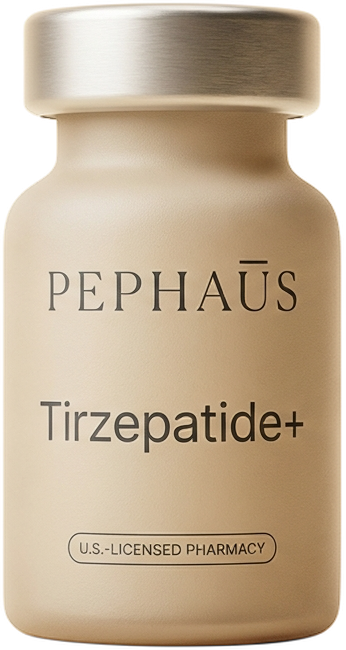
When your tirzepatide vial arrives, the first question is how many units to draw. The answer depends on your prescribed milligram dose and the concentration of your vial, usually 10mg/mL or 12.5mg/mL. This guide walks you through the math, what your provider sets up for you, and why you do not need to memorize conversion tables.
Is this you?
Is this you?
You just got your first tirzepatide shipment and the vial label says 10mg/mL or 12.5mg/mL. Your prescription says start at 2.5mg, and you have an insulin syringe marked in units. You want to know how many units to draw so you can take your first dose without second guessing the math. You have done a web search and found ten different charts. You want one clear answer that applies to your vial. If you nodded at two or three of those, keep reading.
Compounded tirzepatide, prescribed online from $215/mo
One weekly shot. Provider visit and cold shipping included. Nothing charged unless you are prescribed.
See your yearly and weekly costHow units and milligrams connect
An insulin syringe measures in units. One unit equals 0.01 milliliters. A 100 unit syringe holds 1 mL total. Your tirzepatide vial states its concentration in milligrams per milliliter, written as mg/mL. If your vial is 10mg/mL, that means every 1 mL of liquid holds 10 milligrams of tirzepatide. To get 2.5mg from a 10mg/mL vial, you draw 0.25 mL, which is 25 units on the syringe.
The formula is: units = (prescribed mg ÷ vial mg/mL) × 100. For a 2.5mg dose from a 10mg/mL vial, that is (2.5 ÷ 10) × 100 = 25 units. For a 5mg dose from the same vial, (5 ÷ 10) × 100 = 50 units. The concentration on your vial determines the units you draw for each dose.
Most compounded tirzepatide ships at 10mg/mL or 12.5mg/mL. Some vials are 15mg/mL. The pharmacy prints the concentration on the label, and your dosing instructions should state both the milligram dose and the unit measure. If your paperwork says 2.5mg but does not say how many units, check the vial concentration and do the math once.
Conversion table for 10mg/mL vials
If your vial is 10mg/mL, here are the units for each dose:
2.5mg = 25 units
5mg = 50 units
7.5mg = 75 units
10mg = 100 units (1 full syringe)
12.5mg = 125 units (requires a larger syringe or two draws)
15mg = 150 units (requires a larger syringe or two draws)
Ready when you are. Ten minutes on your phone.
Start my online visitConversion table for 12.5mg/mL vials
If your vial is 12.5mg/mL, the units are:
2.5mg = 20 units
5mg = 40 units
7.5mg = 60 units
10mg = 80 units
12.5mg = 100 units (1 full syringe)
15mg = 120 units (requires a larger syringe or two draws)
A 12.5mg/mL vial delivers the same milligram dose in fewer units, which means less volume per injection. The medication strength is identical. The only difference is how much liquid you inject. For more on how the two formats compare and when you might switch between them, read tirzepatide dosage in mL.
Why your provider titrates dose week by week
Tirzepatide starts at a low dose and increases every four weeks. Most people begin at 2.5mg for the first month, move to 5mg in month two, and continue stepping up until they reach the dose that controls appetite without side effects. The standard titration schedule in clinical trials was 2.5mg for four weeks, then 5mg, 7.5mg, 10mg, 12.5mg, and 15mg, each step lasting four weeks.
Your provider may hold you at one dose longer if it is working well, or slow the titration if you feel nauseous. The goal is not to race to the highest dose. The goal is to find the dose that makes you feel satisfied after meals, cuts food noise between meals, and lets you lose weight steadily without feeling sick. Many people stay at 10mg or 12.5mg for months.
The provider tracks your weight, asks how you feel, and adjusts the schedule. If you plateau at one dose, the next step up can restart progress. If a new dose brings nausea that lasts more than a few days, the provider may drop you back or suggest taking the shot with food.
What your pharmacy sends
Most tirzepatide shipments include the vial, alcohol swabs, insulin syringes, and a sharps container. The vial is a small glass bottle with a rubber stopper. The syringes are single use, marked in units, and sized to match your dose. If your starting dose is 2.5mg or 5mg, you get 0.5 mL syringes that hold 50 units. If your dose is higher, you get 1 mL syringes that hold 100 units.
The vial should be refrigerated between doses. It stays stable in the fridge for the number of weeks it takes to finish the vial. If you travel, you can keep the vial at room temperature for up to 21 days. Pack it in a small insulated bag with an ice pack for flights or long car trips, and return it to the fridge when you get home. For more on rotating where you inject and how to minimize bruising, see the best tirzepatide injection site guide.
The real thing vs the rest
Gummies and GLP-1 pills are not the same thing
Tirzepatide gummies and pills sold online were never in the clinical trials. When you swallow tirzepatide, stomach acid breaks it down and about 1 percent reaches your blood. When you inject it under the skin, about 80 percent is absorbed. Injectable tirzepatide in clinical trials led to about 20 percent average body weight loss. Pills and gummies cannot deliver that result, no matter what the packaging says.
Compounded tirzepatide injections come from a U.S.-licensed pharmacy after a U.S.-licensed physician reviews your health and writes the prescription. Pills ordered online skip the pharmacy, skip the provider, and deliver a product that does not work the way the injection does.
The real thing vs the rest
A gummy cannot do this. Not even close.
Weight loss gummies, so called GLP-1 pills and liposomal drops sold on social media were never in the clinical trials. Injectable tirzepatide and semaglutide were. Overseas research-only vials have no pharmacy and no physician behind them.
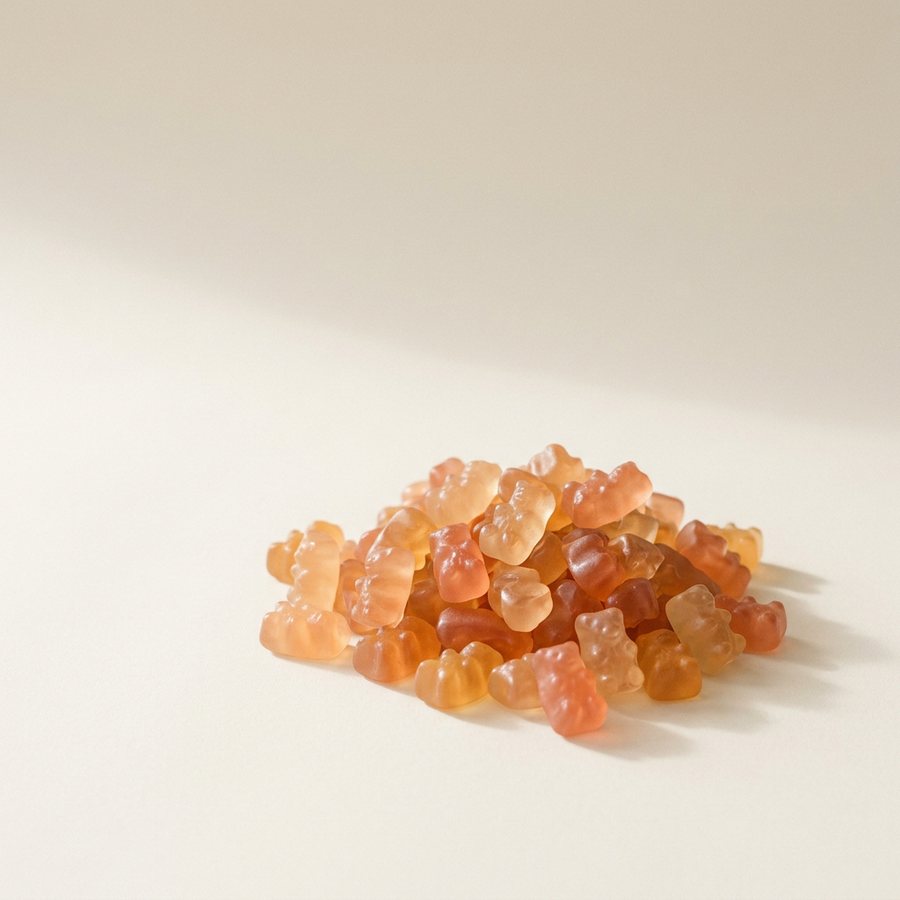
Weight loss gummies
0 mg
No GLP-1 medication inside. Fiber and plant extracts.
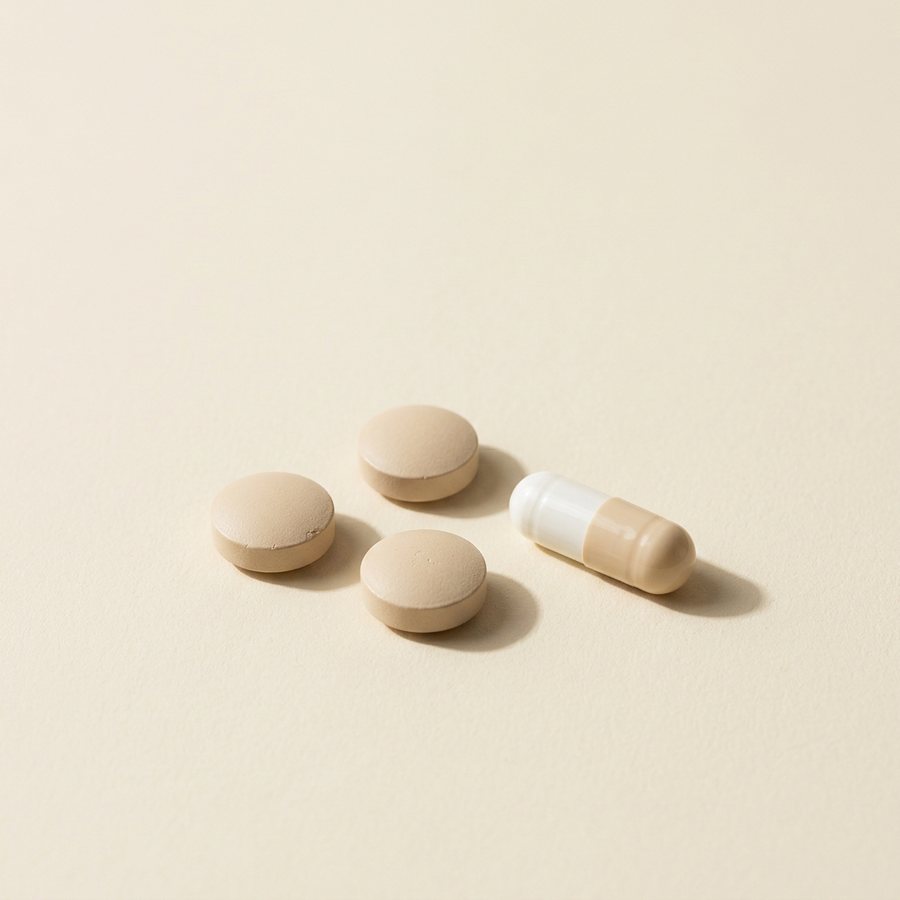
Pills and drops
about 1%
Swallow it and about 1 of every 100 units reaches your blood.
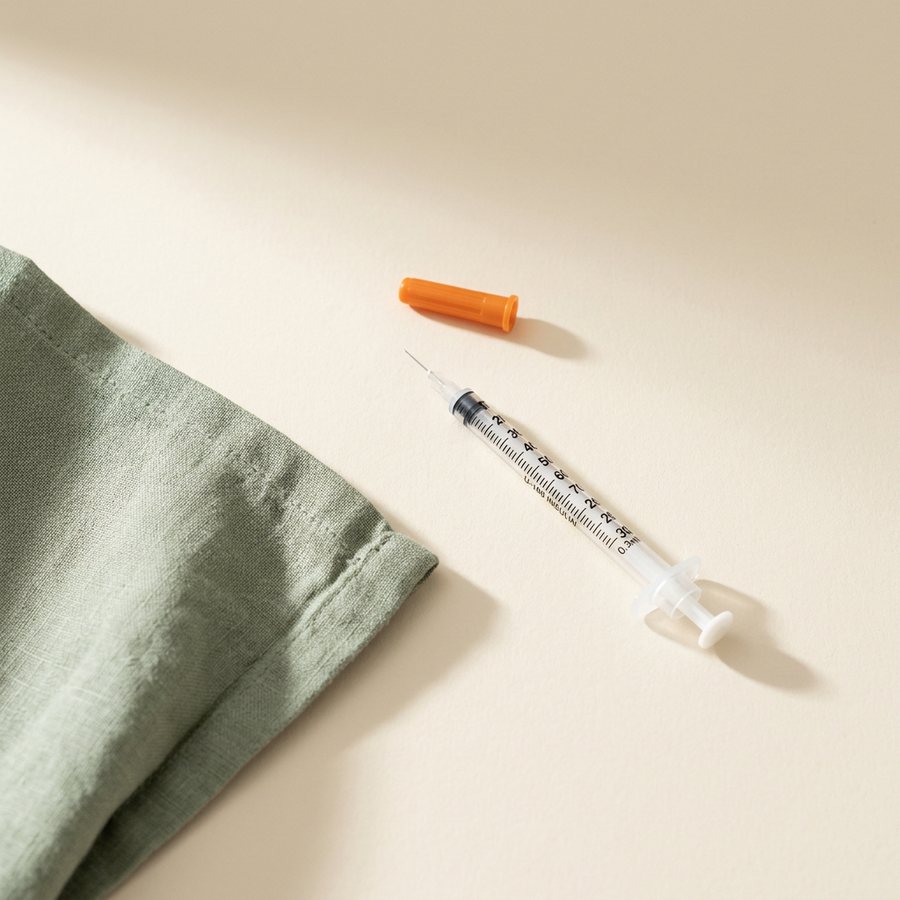
Weekly injection
about 80%
Absorbed from the fat layer. Nothing in the way.
Swallow it: about 1% reaches your blood. Inject it: about 80% does. Same comparison we show on our homepage.
| What you get | PepHaūs prescription | Gummies and “GLP-1 pills” | Grey market vials |
|---|---|---|---|
| Studied in clinical trials | |||
| Average loss in clinical trials | About 15% to 20% of body weight | None reported | Unknown |
| Physician licensed in your state | |||
| U.S.-licensed pharmacy | |||
| Tested product, cold shipped | |||
| Provider visit included | |||
| Dose tuned to you |
Pricing
What it costs
Tirzepatide from PepHaūs is $239 a month on the monthly plan, $227 a month on quarterly billing, and $215 a month on the six month plan. The price includes the provider visit, the medication compounded by a U.S.-licensed pharmacy, shipping, and all follow up messages with the provider. There is never a doctor fee. You can compare costs across providers and plans at the GLP-1 cost calculator, and see the full tirzepatide pricing breakdown.
Pricing in your door
One price. Provider visit, medication and shipping included.
- First month$239
- 3-month plan$227/mo
- 6-month plan$215/mo
- First month$169
- 3-month plan$160/mo
- 6-month plan$152/mo
- Provider visit
- Medication
- Cold shipping to your door
- Refills on a schedule
- Care team messaging
- Cancel anytime online
LegitScript certified
A licensed U.S. pharmacy vs the grey market
Compounded tirzepatide from a licensed 503A pharmacy is prescribed by a U.S.-licensed physician, compounded in a facility that follows FDA standards, and shipped with dosing instructions and follow up care. Research tirzepatide vials sold online come from overseas suppliers, ship without a prescription, and have no provider checking your health or adjusting your dose. The grey market vials are marked for research use only, which means they are not intended for human use, and you have no recourse if the product is contaminated or underdosed.
Legitimate compounded tirzepatide arrives in a pharmacy labeled vial with the concentration printed on it, alongside alcohol prep pads, syringes sized to your dose, and instructions from your provider. If your vial has no pharmacy label, no lot number, and no concentration listed, it is not from a licensed compounding pharmacy. If you are coming from brand name tirzepatide and want to switch to compounded, read can you transfer a brand name prescription to compounded for what the process looks like.
FAQ
FAQ
How do I know what concentration my vial is?+
Check the vial label. It should state the concentration in mg/mL. Common concentrations are 10mg/mL, 12.5mg/mL, and 15mg/mL. If the label does not list the concentration, contact your pharmacy before you draw a dose.
Can I use a different syringe size?+
Yes, the syringe size does not change the dose. A 0.5 mL syringe holds up to 50 units, and a 1 mL syringe holds up to 100 units. If your dose is 25 units, you can use either syringe, you just draw to the 25 unit line. Larger doses require a larger syringe.
What if I draw the wrong number of units?+
If you realize before you inject, push the medication back into the vial and redraw the correct dose. If you already injected and the dose was slightly off, one missed or extra unit will not cause harm. If you injected significantly more or less than prescribed, message your provider and let them know. They will tell you whether to adjust the next dose or stay on schedule.
Does the unit measure change when I increase my dose?+
Yes, when your provider increases your milligram dose, the number of units you draw increases. If you move from 2.5mg to 5mg on a 10mg/mL vial, you go from 25 units to 50 units. Your provider should send updated instructions with each dose change.
Can I split one vial across multiple doses?+
Yes, most vials hold enough for four weekly doses at your current milligram level. If your dose is 2.5mg and your vial is 10mg/mL with 4 mL total, you can draw four doses of 25 units each. Mark the vial with the date you first used it, keep it refrigerated, and finish it within the timeframe the pharmacy states.
How do I measure half units on the syringe?+
Most insulin syringes mark every other unit, so the lines are at 2, 4, 6, 8, and so on. If your dose is an odd number like 25 units, there is a line at 24 and a line at 26, and you draw to the middle of that space. Some syringes mark every unit. If yours does not and you need precision, ask your pharmacy for syringes with finer markings.
What if my dose requires more than 100 units?+
A 100 unit syringe holds 1 mL. If your dose is 12.5mg from a 10mg/mL vial, that is 125 units or 1.25 mL. You can either use a 1.5 mL or 2 mL syringe, or draw two separate injections: 100 units in one syringe and 25 units in another, and inject both. Your provider will tell you which method they prefer.
How many units is 2.5mg of tirzepatide?+
It depends on your vial concentration. For a 10mg/mL vial, 2.5mg is 25 units. For a 12.5mg/mL vial, 2.5mg is 20 units. For a 15mg/mL vial, 2.5mg is about 17 units. Check your vial label for the concentration before you draw.
How many units is 5mg of tirzepatide?+
For a 10mg/mL vial, 5mg is 50 units. For a 12.5mg/mL vial, 5mg is 40 units. For a 15mg/mL vial, 5mg is about 33 units. The concentration on your vial determines the unit measure for every dose.
What does 10mg/mL mean on the vial?+
It means there are 10 milligrams of tirzepatide in every 1 milliliter of liquid. Since 1 mL equals 100 units on an insulin syringe, dividing your prescribed milligram dose by the vial concentration and multiplying by 100 gives you the units to draw.
Can I use a 10mg/mL conversion chart if my vial is 12.5mg/mL?+
No, the units change with the concentration. A 10mg/mL chart will show 50 units for 5mg, but a 12.5mg/mL vial delivers 5mg in 40 units. Always match the chart to your vial concentration, or use the formula: (prescribed mg ÷ vial mg/mL) × 100. You can start tirzepatide online at PepHaūs with a provider visit this week. The medication ships from a licensed U.S. pharmacy, and you can message the provider any time you have a question about your dose or how you feel. See the tirzepatide guide for how the medication works, and read about tirzepatide dosing week by week for what to expect in your first three months.
Start your visit from your phone
Ten minutes on your phone. A physician licensed in your state. A box on your porch in 2 to 3 business days.
See if you qualifyYour care team
Every PepHaus visit is reviewed by a licensed physician from the Wasef Health Group provider network. A doctor reads your intake, decides if treatment fits, and sets your plan.
Meet the physiciansThis article is educational and is not medical advice. Compounded medications are not FDA-approved. Treatment requires evaluation by a licensed provider.