Tirzepatide Dosage in mL: How to Convert Your Prescribed Dose
Converting your prescribed tirzepatide dose from milligrams to milliliters is simple division once you know your vial concentration.
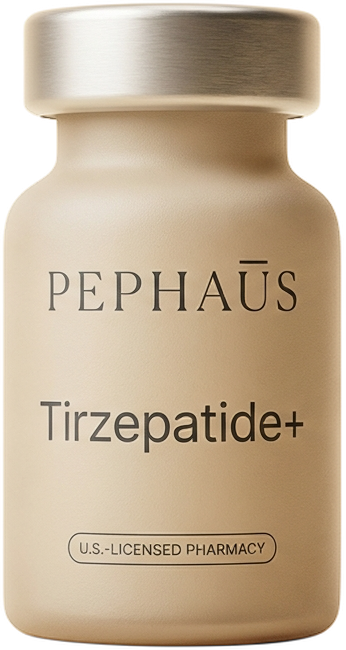
Your provider prescribes tirzepatide in milligrams, your vial shows a concentration like 10mg per ml or 12.5mg per ml, and your syringe has ml markings. Converting your prescribed dose to the right syringe measurement is straightforward once you know how to read your vial label and do the simple division.
Is this you?
Is this you?
You just received your first vial of compounded tirzepatide and the label says something like 50mg per 2ml. Your provider said to start at 2.5mg, and you need to know how many ml that is. The syringe has tiny numbers, the vial has different numbers, and you want to draw the right amount without guessing. You know the dose increases every few weeks, and you want to understand the math so you can measure each one correctly. Your first injection is coming up, and you want to feel confident you are doing it right. If you nodded at two or three of those, keep reading.
Compounded tirzepatide, prescribed online from $215/mo
One weekly shot. Provider visit and cold shipping included. Nothing charged unless you are prescribed.
See your yearly and weekly costHow compounded tirzepatide concentration works
Compounded tirzepatide from a U.S. licensed pharmacy comes in a vial with a concentration printed on the label. The concentration tells you how many milligrams of tirzepatide are dissolved in each milliliter of liquid. Common concentrations are 10mg per ml, 12.5mg per ml, 15mg per ml, or 50mg total in 2ml which works out to 25mg per ml.
The concentration stays the same for your entire vial. If your label says 10mg per ml, that means every full ml contains 10mg of tirzepatide. If you need 2.5mg and your vial is 10mg per ml, you draw 0.25ml. If you need 5mg from the same vial, you draw 0.5ml. The math is your prescribed dose divided by the concentration.
Your provider reviews the vial concentration with you during your first visit and walks through the calculation for your starting dose. Most providers send a dosing card or chart that lists each week's dose in both mg and ml for your specific vial.
Reading your vial label and doing the calculation
Your vial label lists the total mg, the total volume, and sometimes the concentration per ml. A label might say 50mg total in 2ml, which means the concentration is 25mg per ml. Another might say 30mg in 3ml, which is 10mg per ml. If the label only lists total mg and total ml, divide the mg by the ml to get the concentration.
Once you know the concentration, the formula is simple. Take your prescribed dose in mg and divide it by the concentration. If your provider prescribed 2.5mg and your vial is 10mg per ml, that's 2.5 divided by 10, which equals 0.25ml. If your dose is 5mg and your concentration is 12.5mg per ml, that's 5 divided by 12.5, which equals 0.4ml.
Your syringe has markings in ml. Most insulin syringes used for tirzepatide are 0.5ml or 1ml syringes with lines at every 0.1ml and smaller tick marks at 0.05ml or 0.01ml. You draw to the line that matches your calculated ml dose.
Ready when you are. Ten minutes on your phone.
Start my online visitCommon vial concentrations and their ml conversions
A 10mg per ml vial is one of the most common. Your doses convert like this: 2.5mg is 0.25ml, 5mg is 0.5ml, 7.5mg is 0.75ml, and 10mg is 1ml. A 12.5mg per ml vial means 2.5mg is 0.2ml, 5mg is 0.4ml, 7.5mg is 0.6ml, and 10mg is 0.8ml.
If your vial says 50mg in 2ml, the concentration is 25mg per ml. That means 2.5mg is 0.1ml, 5mg is 0.2ml, 7.5mg is 0.3ml, 10mg is 0.4ml, 12.5mg is 0.5ml, and 15mg is 0.6ml. Higher concentration vials let you draw smaller volumes, which some people prefer.
Your provider picks the concentration based on what the compounding pharmacy offers and what fits your dose schedule. The concentration does not change how tirzepatide works. The same 5mg dose has the same effect whether you draw 0.5ml from a 10mg per ml vial or 0.2ml from a 25mg per ml vial.
What the provider teaches during your first injection
Most telehealth providers walk you through your first dose calculation on a video visit or send a step by step video. You open the vial, confirm the concentration on the label, and the provider confirms the ml amount you should draw. They show you how to hold the syringe at eye level and line up the plunger tip with the correct marking.
Some providers include a printed dosing chart with your shipment. The chart lists week 1 through week 20 or beyond, with the mg dose for each week and the exact ml amount for your vial's concentration already calculated. You follow the chart and draw the listed ml amount.
The provider also covers what to do if you accidentally draw slightly more or less. A few hundredths of an ml over or under your target dose is not a problem. Tirzepatide dosing has some tolerance. If you drew the wrong amount and realized it before injecting, you can push the liquid back into the vial and redraw. If you already injected, you note it and take your next dose as scheduled.
How syringe markings work for tirzepatide
Insulin syringes are marked in ml, not units. A 1ml syringe has lines at 0.1ml, 0.2ml, 0.3ml, and so on up to 1ml, with smaller tick marks in between. A 0.5ml syringe has the same spacing but only goes up to 0.5ml, which makes the markings easier to read for lower doses.
If your dose is 0.25ml, you draw to the line marked 0.25 or to the tick mark halfway between 0.2 and 0.3. If your dose is 0.4ml, you draw to the fourth big line past zero. The first time you prepare a dose, you can lay the syringe next to the dosing chart to confirm you are reading it correctly.
Some people take a photo of their filled syringe next to the dosing chart and send it to the provider before their first injection. The provider confirms the measurement, and then you inject with confidence.
Adjusting your ml dose as your mg dose increases
Tirzepatide dosing starts low and increases every few weeks. You might start at 2.5mg, move to 5mg after four weeks, then 7.5mg, then 10mg, and potentially higher depending on your progress and how you feel. Each time your mg dose increases, your ml dose increases too.
If you are on a 10mg per ml vial, your ml doses increase from 0.25ml to 0.5ml to 0.75ml to 1ml. If you are on a 12.5mg per ml vial, they increase from 0.2ml to 0.4ml to 0.6ml to 0.8ml. Your dosing chart updates with each titration step, and the provider confirms the new ml amount before you take the higher dose.
The real thing vs the rest
Gummies and GLP-1 pills are not the same thing
Tirzepatide injections work because you inject the medication under your skin, and about 80 percent reaches your bloodstream. Tirzepatide was never tested as a gummy or pill in the clinical trials. If you swallow tirzepatide, your stomach breaks it down and about 1 percent reaches your blood.
Injectable tirzepatide in clinical trials led to about 20 percent average body weight loss. Injectable semaglutide led to about 15 percent. No gummy or oral GLP-1 pill has shown results close to that. If you want the outcomes people talk about, you inject it.
The real thing vs the rest
A gummy cannot do this. Not even close.
Weight loss gummies, so called GLP-1 pills and liposomal drops sold on social media were never in the clinical trials. Injectable tirzepatide and semaglutide were. Overseas research-only vials have no pharmacy and no physician behind them.
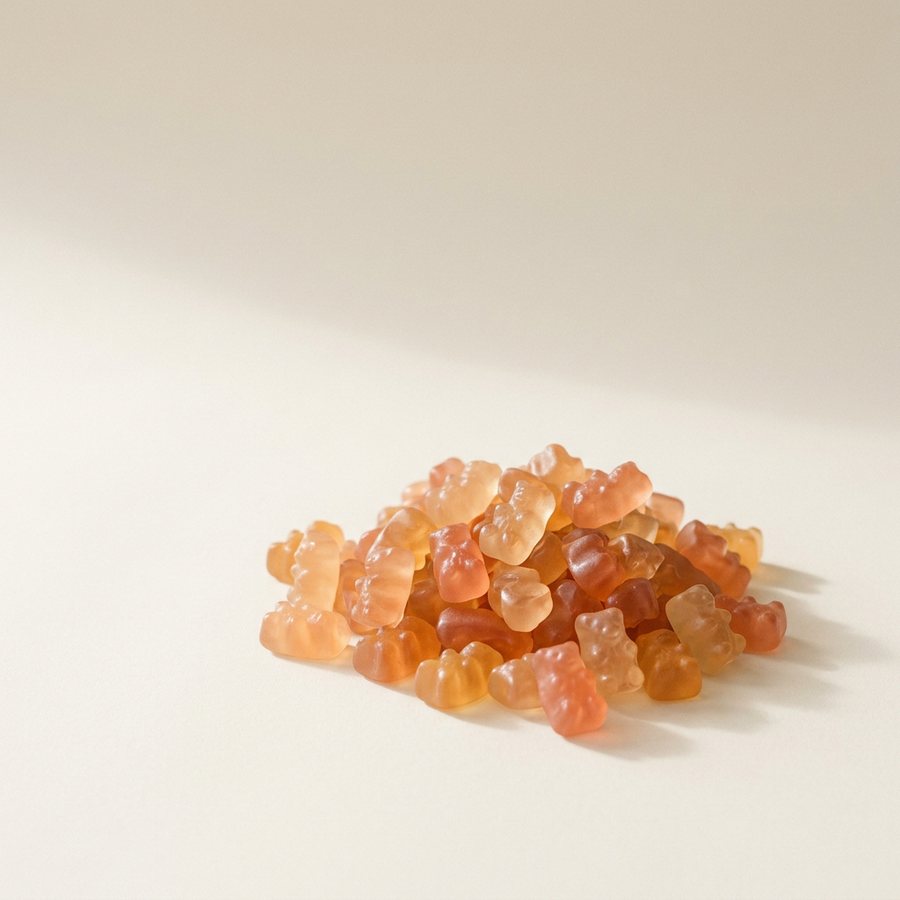
Weight loss gummies
0 mg
No GLP-1 medication inside. Fiber and plant extracts.
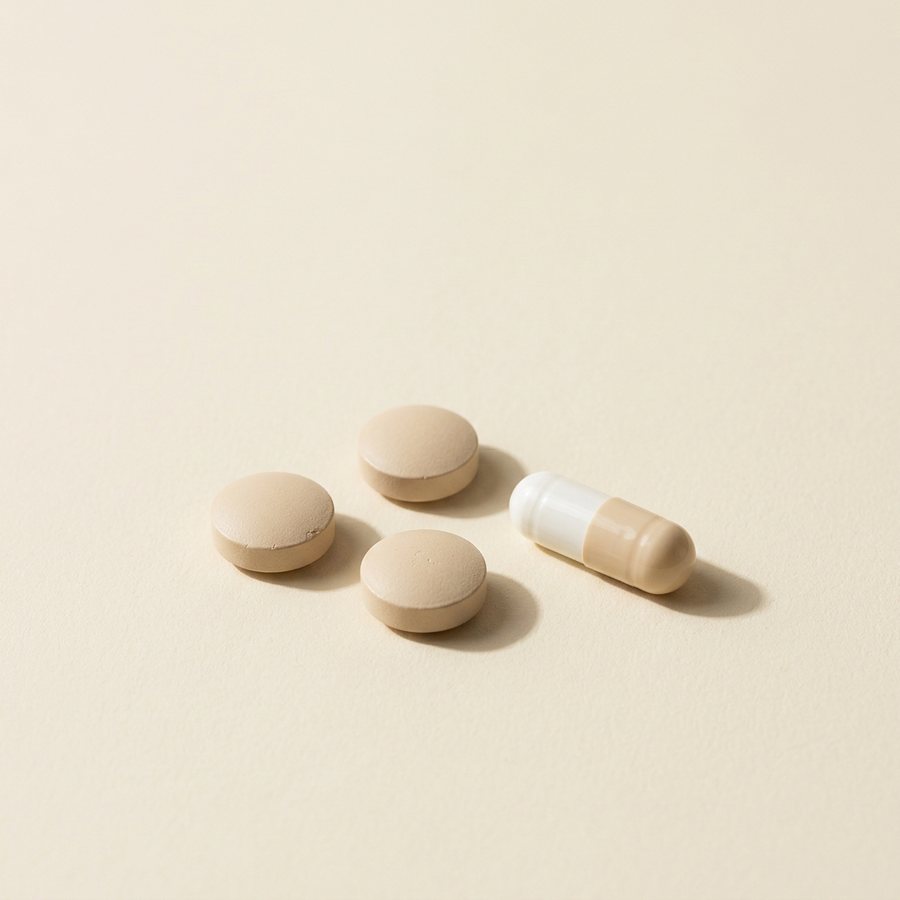
Pills and drops
about 1%
Swallow it and about 1 of every 100 units reaches your blood.
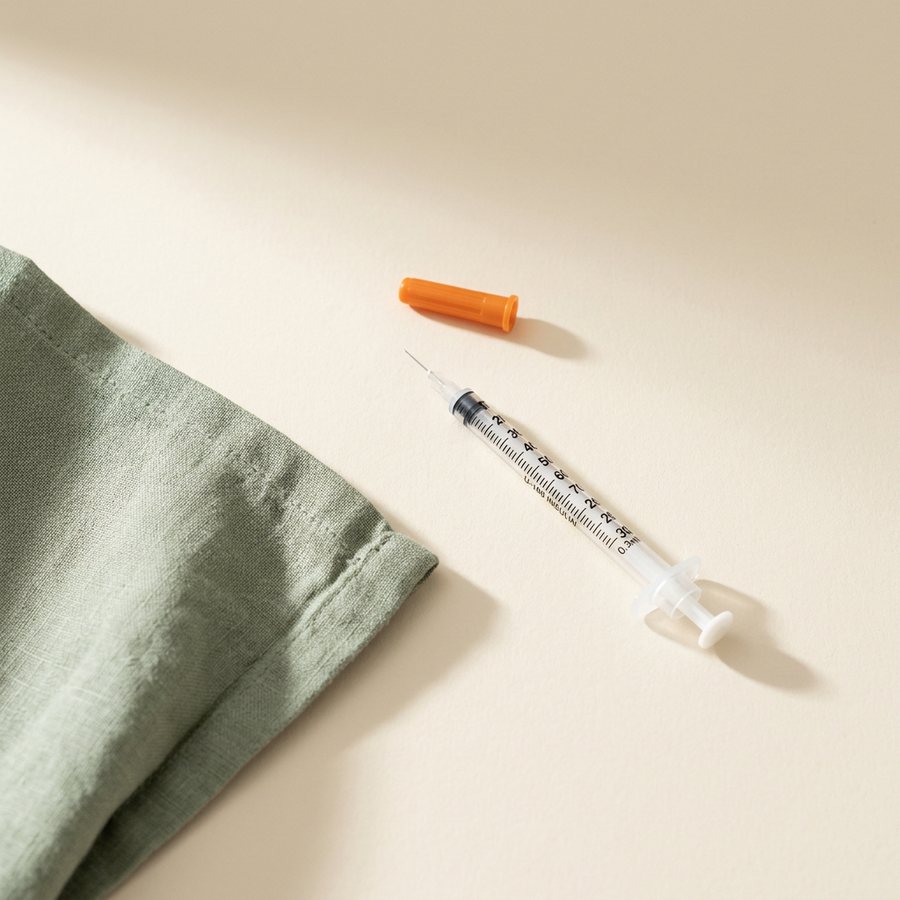
Weekly injection
about 80%
Absorbed from the fat layer. Nothing in the way.
Swallow it: about 1% reaches your blood. Inject it: about 80% does. Same comparison we show on our homepage.
| What you get | PepHaūs prescription | Gummies and “GLP-1 pills” | Grey market vials |
|---|---|---|---|
| Studied in clinical trials | |||
| Average loss in clinical trials | About 15% to 20% of body weight | None reported | Unknown |
| Physician licensed in your state | |||
| U.S.-licensed pharmacy | |||
| Tested product, cold shipped | |||
| Provider visit included | |||
| Dose tuned to you |
Pricing
What it costs
Compounded tirzepatide from a U.S. licensed pharmacy, prescribed by a U.S. licensed physician after a provider visit, costs $239 a month on the monthly plan, $227 a month if you pay quarterly, and $215 a month on the six month plan. That includes the provider visit, your medication compounded by a licensed pharmacy, and shipping. No doctor fee, no separate visit charge, no membership.
You can see the full tirzepatide pricing breakdown here or use the cost calculator to compare six month costs across dose levels.
Pricing in your door
One price. Provider visit, medication and shipping included.
- First month$239
- 3-month plan$227/mo
- 6-month plan$215/mo
- First month$169
- 3-month plan$160/mo
- 6-month plan$152/mo
- Provider visit
- Medication
- Cold shipping to your door
- Refills on a schedule
- Care team messaging
- Cancel anytime online
LegitScript certified
A licensed U.S. pharmacy vs the grey market
Compounded tirzepatide from a U.S. licensed 503A pharmacy is prescribed by a provider who reviews your health and sets your dose. The medication is compounded by a pharmacy that follows state and federal standards, tested for sterility, and shipped cold with tracking. If you have a side effect or a question, you reach the provider.
Grey market tirzepatide is research chemical vials sold online with no prescription, no provider, and no testing. The label might say the concentration, but there is no independent verification. No one reviews your health, no one adjusts your dose, and if something goes wrong you are on your own.
FAQ
FAQ
How do I know if I drew the right amount?+
Check that the top of the plunger aligns with the ml line matching your calculated dose. Hold the syringe at eye level and confirm the line. If your dose is 0.25ml, the plunger should sit at the 0.25 line. If you are unsure, push the liquid back into the vial and redraw.
What if my vial concentration is different from the examples?+
Use the same formula. Divide your prescribed mg dose by your vial's mg per ml concentration. If your vial is 20mg per ml and your dose is 5mg, that is 5 divided by 20, which equals 0.25ml. The provider or pharmacy should include a dosing chart specific to your vial.
Can I use a different syringe size?+
Yes, as long as the syringe is marked in ml and can hold your dose. A 0.5ml syringe works well for doses up to 0.5ml and has clearer markings for smaller amounts. A 1ml syringe works for any dose up to 1ml. Insulin syringes are the standard choice because they have thin needles and accurate ml markings.
What happens if I accidentally inject a little more or less?+
A small difference, like 0.02ml or 0.05ml off your target, is not a problem. Tirzepatide dosing has tolerance. If you are way off, like you drew 0.5ml instead of 0.25ml, contact your provider before your next dose.
Do I need to recalculate every time my dose changes?+
No, your provider or pharmacy sends an updated dosing chart when your dose increases. The chart lists the new mg dose and the corresponding ml amount for your vial. You follow the chart.
How long does one vial last?+
It depends on your dose and the vial size. A 2ml vial at 25mg per ml holds 50mg total. If you are taking 5mg once a week, that is ten weeks. If you are taking 10mg once a week, that is five weeks. The provider tracks your supply and ships the next vial before you run out.
Can I split my dose into two injections?+
Tirzepatide is dosed once a week in all the research. Stick to the provider's schedule unless they specifically instruct otherwise. Your provider reviews your vial concentration and walks you through the ml calculation for your starting dose. The math is simple division, and after a few injections it becomes routine. Compounded tirzepatide, prescribed by a U.S. licensed provider and shipped from a licensed pharmacy, gives you the medication that showed 20 percent average weight loss in trials. You can learn more about how to get started with tirzepatide here or read the step by step dosing guide .
Start your visit from your phone
Ten minutes on your phone. A physician licensed in your state. A box on your porch in 2 to 3 business days.
See if you qualifyYour care team
Every PepHaus visit is reviewed by a licensed physician from the Wasef Health Group provider network. A doctor reads your intake, decides if treatment fits, and sets your plan.
Meet the physiciansThis article is educational and is not medical advice. Compounded medications are not FDA-approved. Treatment requires evaluation by a licensed provider.