Tirzepatide Results 6 Months: What to Expect by Month Six
Most people lose 15 to 25 percent of their starting weight by six months on tirzepatide.
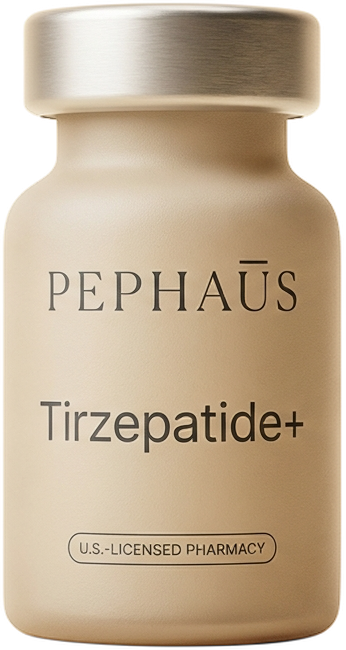
Is this you?
Is this you?
You are six weeks in or thinking ahead to where tirzepatide takes you. The scale is moving, your clothes fit better, and you want to know what the next few months look like. You wonder if the progress keeps going, when the dose increases stop, and what changes between month three and month six. You have heard about plateaus and want to know if they hit everyone. You are curious what your provider watches for at the six month mark and whether most people stay on the medication past that point. If you nodded at two or three of those, keep reading.
Compounded tirzepatide, prescribed online from $215/mo
One weekly shot. Provider visit and cold shipping included. Nothing charged unless you are prescribed.
See your yearly and weekly costWhat Happens Between Month Three and Month Six
The first three months on tirzepatide are about finding your dose and letting your body adjust. By month three, many people are on a maintenance dose, the appetite shift feels steady, and the scale is moving down. Between month three and month six, the pattern changes a little. Weight loss stays consistent for most people, around one to two pounds a week, and the total loss by six months lands between 15 and 25 percent of starting weight for many people on the full protocol. Individual results vary, so some people see more and some people see less.
Your provider watches your check ins during these months to see if the dose needs adjusting. Some people stay on the same dose from month three to month six. Others step up one more time if progress slows or if side effects are minimal. The provider looks at your weight trend, how you feel, and what side effects you report.
What the Six Month Mark Looks Like
At six months, you are past the adjustment phase. Appetite suppression feels normal, not new. You eat smaller portions without thinking about it, and food noise is quieter than it was at the start. Energy levels are steadier for many people, and the initial fatigue from the first few doses is gone. The scale keeps moving, and the average loss by six months is about 15 to 20 percent of starting weight. Compounded tirzepatide about 20 percent average body weight loss in clinical trials and semaglutide about 15 percent.
Your provider checks in at six months to review your progress and plan the next phase. Some people stay on tirzepatide past six months to reach their goal weight. Others pause the medication and focus on maintenance with food and movement. The provider asks how you feel, whether side effects have settled, and whether the dose you are on is working.
Ready when you are. Ten minutes on your phone.
Start my online visitHow the Dose Increases Through Six Months
Most people start at 2.5 mg once a week. The provider increases the dose every four weeks if you tolerate it well and if progress is steady. A typical schedule moves from 2.5 mg to 5 mg, then to 7.5 mg, then to 10 mg, and some people step up to 12.5 mg or 15 mg by month six. Each increase can bring mild nausea for a few days, so the provider watches for that and holds the dose if side effects linger.
Not everyone reaches the highest doses. Some people respond well at 7.5 mg and stay there through month six. Others need 12.5 mg to keep the scale moving. The provider adjusts based on how you feel, what the scale shows, and what side effects you report.
What Side Effects Look Like at Six Months
By six months, most side effects are mild or gone. Nausea usually peaks in the first few weeks after a dose increase and fades as your body adjusts. Some people report occasional nausea after eating too fast or eating foods that are too rich, and that resolves when they eat slower or choose lighter meals. Constipation can persist through six months if fiber and water intake are low, so adding vegetables, drinking more water, and moving daily helps.
Fatigue is less common at six months than it was in the first month. Energy levels stabilize as your body adapts to the medication and to eating less. Some people feel more energized at six months than they did at the start, especially if they are moving more and eating enough protein.
The real thing vs the rest
Gummies and GLP-1 Pills Are Not the Same Thing
You see ads for gummies and pills that claim to work like tirzepatide. They are not the same. Gummies and pills were never in the clinical trials that showed 20 percent average body weight loss. When you swallow a GLP-1 medication, your stomach breaks it down, and about one percent reaches your blood. When you inject it, about 80 percent reaches your blood. That difference matters. Injectable tirzepatide about 20 percent average body weight loss in clinical trials, and semaglutide about 15 percent.
If you want the results the clinical trials showed, you inject the medication. Compounded by a U.S.-licensed pharmacy means the medication is made to the same standards as the brand versions, and prescribed by a U.S.-licensed physician means a provider reviews your health history and sets your dose based on how you respond.
The real thing vs the rest
A gummy cannot do this. Not even close.
Weight loss gummies, so called GLP-1 pills and liposomal drops sold on social media were never in the clinical trials. Injectable tirzepatide and semaglutide were. Overseas research-only vials have no pharmacy and no physician behind them.

Weight loss gummies
0 mg
No GLP-1 medication inside. Fiber and plant extracts.
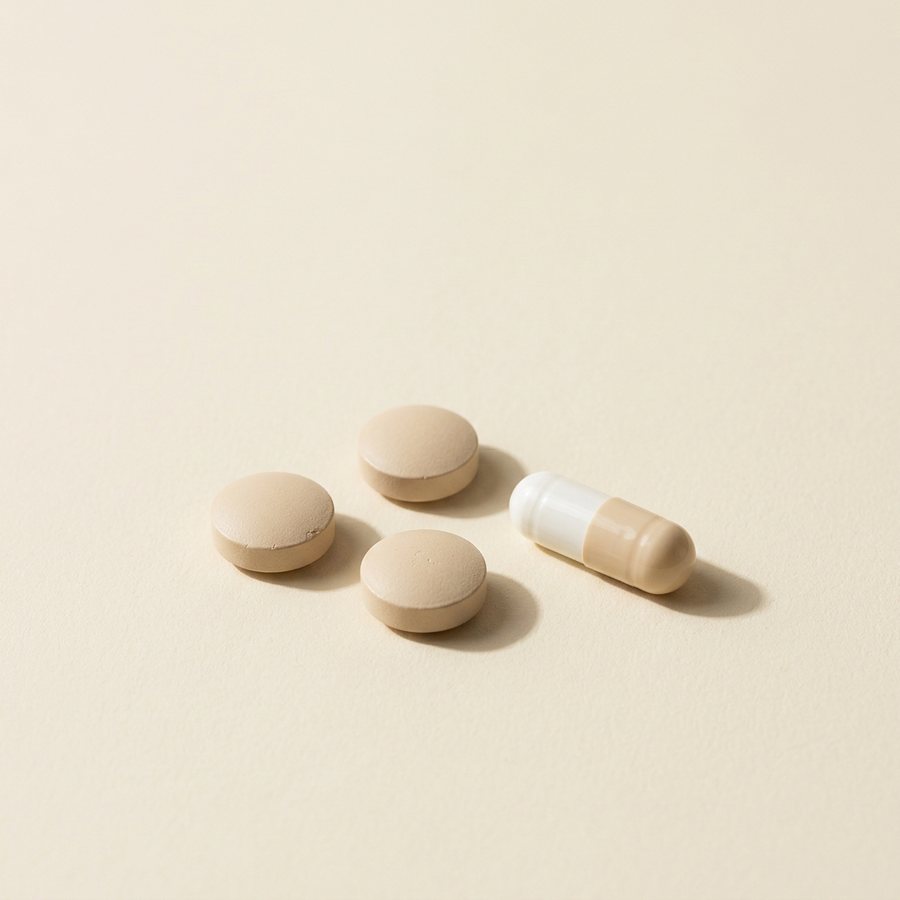
Pills and drops
about 1%
Swallow it and about 1 of every 100 units reaches your blood.
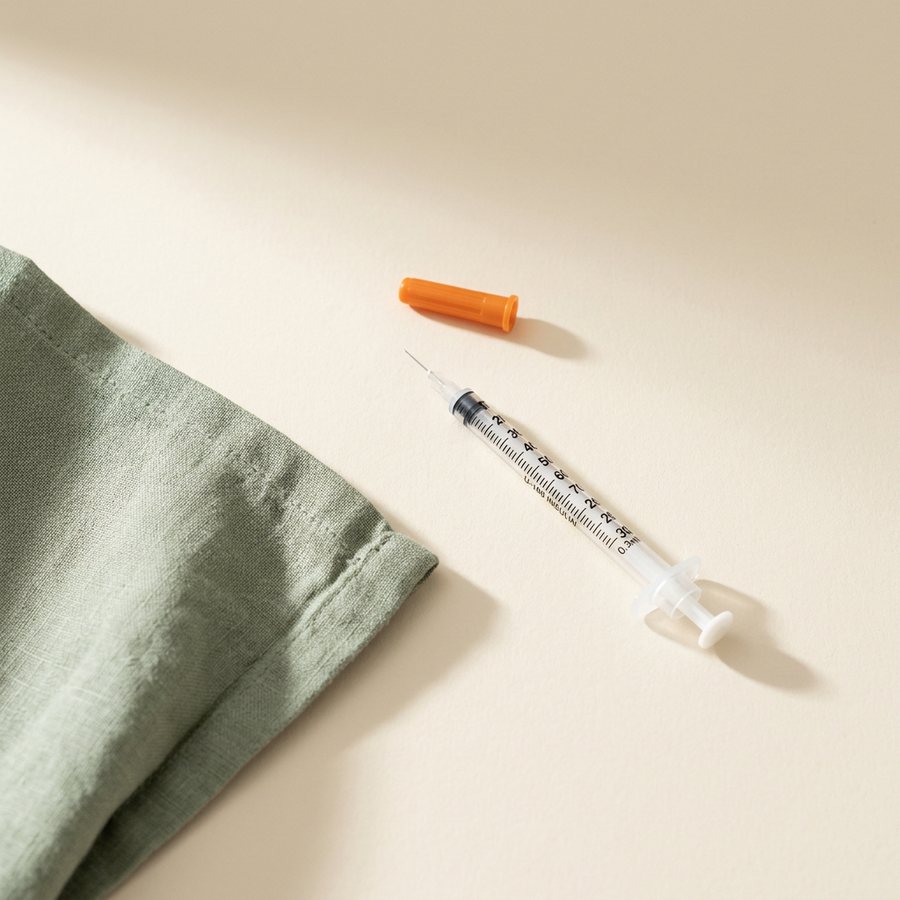
Weekly injection
about 80%
Absorbed from the fat layer. Nothing in the way.
Swallow it: about 1% reaches your blood. Inject it: about 80% does. Same comparison we show on our homepage.
| What you get | PepHaūs prescription | Gummies and “GLP-1 pills” | Grey market vials |
|---|---|---|---|
| Studied in clinical trials | |||
| Average loss in clinical trials | About 15% to 20% of body weight | None reported | Unknown |
| Physician licensed in your state | |||
| U.S.-licensed pharmacy | |||
| Tested product, cold shipped | |||
| Provider visit included | |||
| Dose tuned to you |
Pricing
What It Costs
Compounded tirzepatide costs $239 a month on the monthly plan, $227 a month on the quarterly plan, and $215 a month on the six month plan. That includes the provider visit, the medication, and shipping. You pay less per month when you commit to a longer plan, and there is never a doctor fee or membership charge. The cost stays the same whether you are on 2.5 mg or 15 mg. You can see what your total cost looks like at the GLP-1 cost calculator and read more at compounded tirzepatide cost.
Pricing in your door
One price. Provider visit, medication and shipping included.
- First month$239
- 3-month plan$227/mo
- 6-month plan$215/mo
- First month$169
- 3-month plan$160/mo
- 6-month plan$152/mo
- Provider visit
- Medication
- Cold shipping to your door
- Refills on a schedule
- Care team messaging
- Cancel anytime online
LegitScript certified
A Licensed U.S. Pharmacy vs the Grey Market
You see ads for overseas research vials that cost less than compounded tirzepatide from a pharmacy. Those vials are not made for human use, they are not tested for purity, and they are not prescribed by a provider who reviews your health history. Research vials are made for lab studies, not for injecting into your body.
Compounded tirzepatide from a licensed U.S. pharmacy is made under the same standards as brand medications, tested for sterility and potency, and shipped with clear dosing instructions. A licensed physician prescribes it after reviewing your health history, and a provider checks in with you every month to adjust the dose and monitor side effects.
FAQ
FAQ
Can I stay on tirzepatide past six months?+
Yes. Many people stay on tirzepatide for a year or longer to reach their goal weight and maintain it. The provider reviews your progress at six months and sets the plan for the next phase. Some people taper down to a lower maintenance dose after six months, and others stay on the same dose through month twelve.
What happens if the scale stalls before six months?+
The provider looks at your eating habits, your protein intake, and your movement routine. Sometimes adding a short walk after meals or increasing protein by 20 grams a day gets the scale moving again. Other times, the provider increases your dose if you have been on the same dose for more than four weeks and side effects are minimal. Plateaus happen, and most of them break within two to three weeks with small adjustments.
How much weight can I expect to lose in six months?+
Most people on the full protocol lose between 15 and 25 percent of their starting weight by six months. Individual results vary. The clinical trials showed about 20 percent average body weight loss for tirzepatide and about 15 percent for semaglutide. Your results depend on how you started, what you eat, how much you move, and how your body responds to the medication.
Do I need to exercise while on tirzepatide?+
Exercise helps, especially for maintaining muscle while you lose weight. Walking 20 minutes a day, lifting light weights twice a week, or doing bodyweight exercises at home all support your results. You do not need to train like an athlete to see progress.
What should I eat at six months on tirzepatide?+
Focus on protein first, then vegetables, then everything else. Aim for 80 to 100 grams of protein a day from chicken, fish, eggs, Greek yogurt, or protein powder. Add vegetables for fiber and nutrients, and keep portions small because your appetite is lower. Avoid foods that are too rich or greasy, because they can trigger nausea.
Can I drink alcohol while on tirzepatide?+
You can, in moderation. Alcohol hits harder on tirzepatide because you are eating less and your stomach empties slower. One drink can feel like two, and hangovers are worse for many people. If you drink, go slow, eat something first, and drink water between drinks.
What if I miss a dose at six months?+
If you miss a dose by less than four days, take it as soon as you remember and go back to your regular schedule. If you miss it by more than four days, skip that dose and take the next one on your usual day. Do not double up. Missing one dose will not erase your progress. You are six months in, or you will be soon. The scale is moving, your appetite is quieter, and the next phase is about staying consistent. Get started at PepHaūs , see the tirzepatide results timeline , or read how to get tirzepatide online . If you are switching from brand name tirzepatide, check out can you transfer a brand prescription to compounded . Want to know what works? See why GLP-1 gummies cannot match injections and what delivers real results.
Start your visit from your phone
Ten minutes on your phone. A physician licensed in your state. A box on your porch in 2 to 3 business days.
See if you qualifyYour care team
Every PepHaus visit is reviewed by a licensed physician from the Wasef Health Group provider network. A doctor reads your intake, decides if treatment fits, and sets your plan.
Meet the physiciansThis article is educational and is not medical advice. Compounded medications are not FDA-approved. Treatment requires evaluation by a licensed provider.