Tirzepatide Microdose: What the Lower Starting Dose Does and Who It Fits
Microdosing starts at a lower dose for people with GLP-1 sensitivity, offering a gentler ramp with fewer side effects.
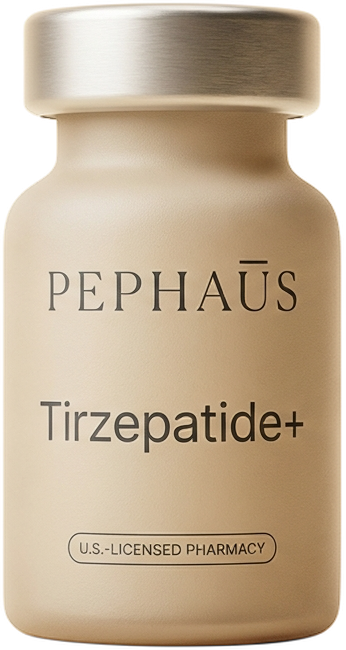
Tirzepatide microdosing starts you at 2.5mg instead of jumping straight to 5mg, giving your body more time to adjust before stepping up. Providers use it when someone has a history of GLP-1 side effects, a sensitive system, or wants the slowest ramp possible. It works the same way as the standard protocol, it just takes longer to reach the same maintenance dose. Many people on the microdose track report fewer side effects during the first month and steadier progress without the nausea spikes.
Is this you?
Is this you?
You tried a GLP-1 before and the nausea was intense enough to stop. You know your system is sensitive to new medications and you want the gentlest start. You want to go slower and feel steady than rush and feel sick. You are not in a hurry to hit your goal weight, you want sustainable progress. You want to avoid the side effects your friend had when they started tirzepatide. If you nodded at two or three of those, keep reading.
Compounded tirzepatide, prescribed online from $215/mo
One weekly shot. Provider visit and cold shipping included. Nothing charged unless you are prescribed.
See your yearly and weekly costHow tirzepatide microdosing works
Tirzepatide is a GIP and GLP-1 receptor agonist that slows stomach emptying, reduces appetite, and helps your body handle blood sugar better. The standard protocol starts at 2.5mg for four weeks, then steps up to 5mg. The microdose protocol splits that first step in half, starting at 1.25mg or 2mg for two to four weeks before moving to 2.5mg. From there the schedule follows the same steps as the standard track, adding 2.5mg every four weeks until you reach the dose that works for you. Most people land between 5mg and 12.5mg as their maintenance dose. Individual results vary.
Microdosing does not change what tirzepatide does, it changes how fast you ramp up. The slower start gives your digestive system more time to adjust to the medication. Some providers use it for everyone, others reserve it for people with a history of GLP-1 nausea or known sensitivity. The provider decides based on your health history and what you tried before. For more on choosing a provider, see best compounded tirzepatide provider.
What the first few months look like
Month one on the microdose, appetite drops but less dramatically than on the standard start. Many people report mild fullness after smaller meals and less interest in snacking between meals, without the intense nausea some people get on 2.5mg. Weight loss is slower the first month on a microdose, usually one to three pounds, because the dose is lower. Month two, the provider steps you up to 2.5mg and appetite suppression becomes more noticeable. Most people lose three to six pounds this month. Month three and beyond, the schedule matches the standard protocol and weight loss picks up. By month six, most people on the microdose track have lost about the same total weight as people who started on the standard track, they just had a gentler first few weeks.
Side effects on the microdose are usually milder during the ramp up. Nausea, if it happens, tends to be brief and manageable without needing to pause or step back down. Some people still get constipation or mild bloating, and those respond to more water, more fiber, and smaller meals spread across the day. The provider monitors your response at every step and adjusts the plan if something is not working.
Ready when you are. Ten minutes on your phone.
Start my online visitThe real thing vs the rest
Gummies and GLP-1 pills are not the same thing
You might see gummy or pill versions of GLP-1s sold online or in stores. Those were never in the clinical trials. When you swallow a GLP-1 peptide, stomach acid breaks it down and about 1% reaches your blood. When you inject it, about 80% does. Injectable tirzepatide in clinical trials showed about 20% average body weight loss. The gummy you buy without a prescription is not the same thing and does not deliver the same results.
The real thing vs the rest
A gummy cannot do this. Not even close.
Weight loss gummies, so called GLP-1 pills and liposomal drops sold on social media were never in the clinical trials. Injectable tirzepatide and semaglutide were. Overseas research-only vials have no pharmacy and no physician behind them.
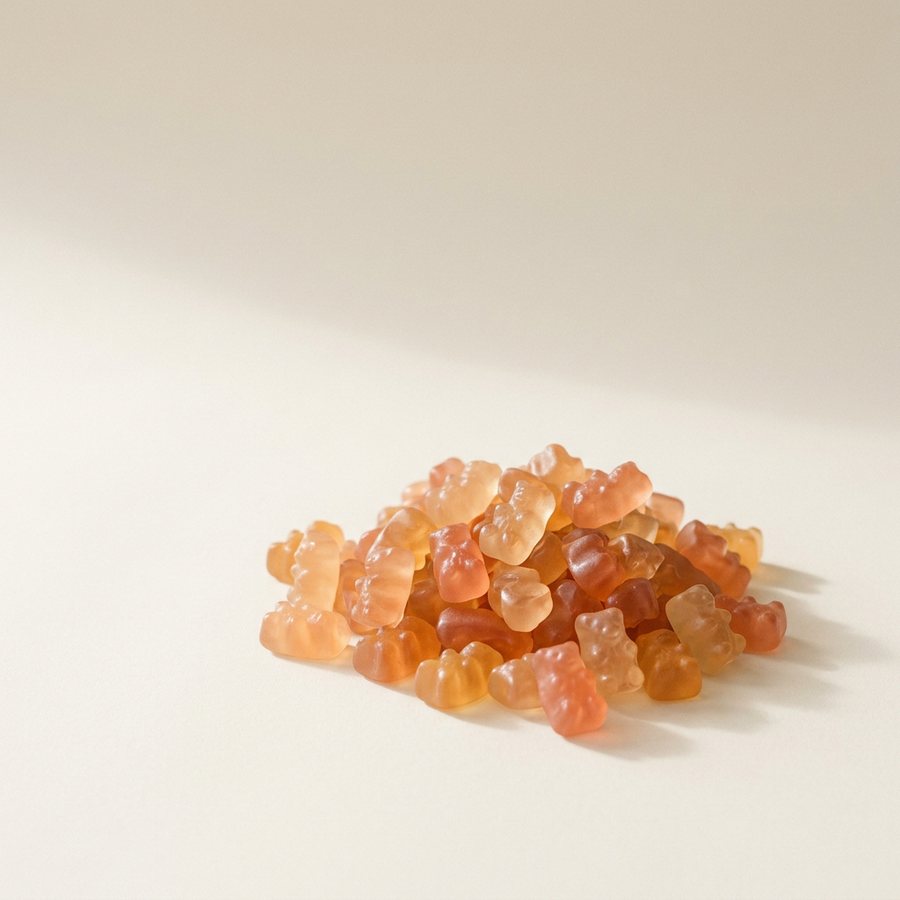
Weight loss gummies
0 mg
No GLP-1 medication inside. Fiber and plant extracts.
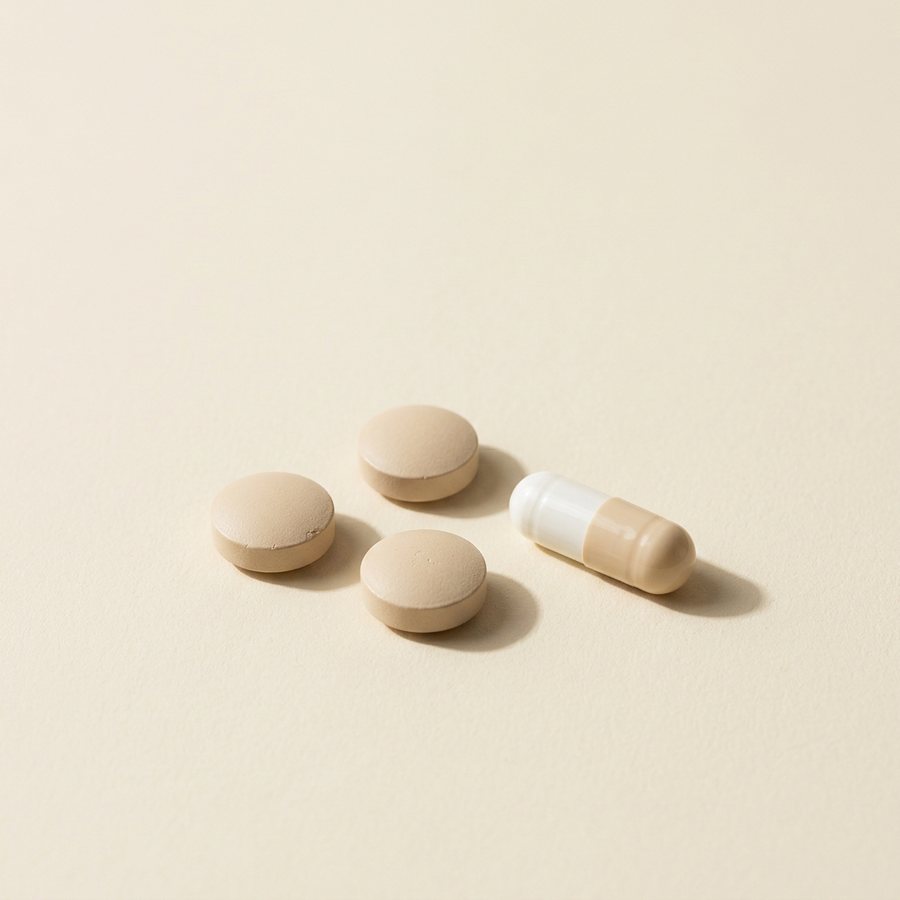
Pills and drops
about 1%
Swallow it and about 1 of every 100 units reaches your blood.
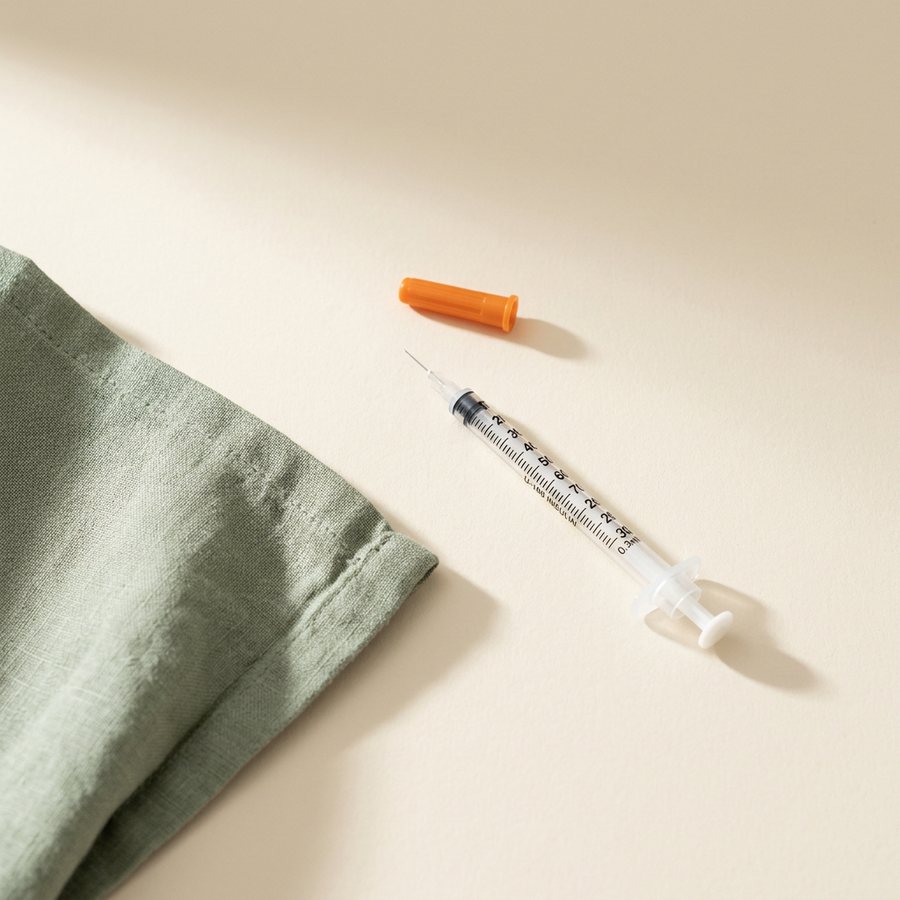
Weekly injection
about 80%
Absorbed from the fat layer. Nothing in the way.
Swallow it: about 1% reaches your blood. Inject it: about 80% does. Same comparison we show on our homepage.
| What you get | PepHaūs prescription | Gummies and “GLP-1 pills” | Grey market vials |
|---|---|---|---|
| Studied in clinical trials | |||
| Average loss in clinical trials | About 15% to 20% of body weight | None reported | Unknown |
| Physician licensed in your state | |||
| U.S.-licensed pharmacy | |||
| Tested product, cold shipped | |||
| Provider visit included | |||
| Dose tuned to you |
Pricing
What it costs
Compounded tirzepatide runs $239 a month when billed monthly, $227 a month on a quarterly plan, and $215 a month on a six month plan. That includes the provider visit, the medication compounded by a licensed U.S. pharmacy, and free expedited shipping. There is never a separate doctor fee or membership charge. The microdose protocol costs the same as the standard protocol because you are still getting a month of medication, just at a lower starting dose. You can calculate your yearly cost at https://thepephaus.com/glp1-cost-calculator and see full pricing at https://thepephaus.com/compounded-tirzepatide-cost.
Pricing in your door
One price. Provider visit, medication and shipping included.
- First month$239
- 3-month plan$227/mo
- 6-month plan$215/mo
- First month$169
- 3-month plan$160/mo
- 6-month plan$152/mo
- Provider visit
- Medication
- Cold shipping to your door
- Refills on a schedule
- Care team messaging
- Cancel anytime online
LegitScript certified
A licensed U.S. pharmacy vs the grey market
You can buy research vials of tirzepatide online from overseas suppliers with no prescription and no provider check. Those vials are sold for research use, not human use, and you have no way to verify purity, dose accuracy, or sterility. A compounded prescription from a U.S.-licensed pharmacy means a physician reviewed your health history, a pharmacist compounded your dose, and you have recourse if something goes wrong. The grey market costs less upfront and carries more risk.
FAQ
FAQ
Who should use tirzepatide microdosing instead of the standard dose?+
Microdosing fits people who had intense nausea on another GLP-1, people with sensitive systems, and people who want the slowest possible ramp. The provider decides based on your history. If you have never tried a GLP-1 before and have no reason to expect issues, the standard protocol works fine for most people.
Does microdosing tirzepatide work as well as the standard dose?+
Yes, by month six most people on the microdose track have lost about the same total weight as people on the standard track. The first month is slower because the dose is lower, but once you step up to maintenance doses the results even out. Individual results vary based on diet, activity, and how your body responds.
How long do you stay on the microdose before stepping up?+
Most providers keep you on the microdose for two to four weeks before stepping up to 2.5mg. From there the schedule follows the standard protocol, adding 2.5mg every four weeks until you reach your maintenance dose. The provider adjusts the timeline based on how you respond and whether you are having side effects.
Can you switch from standard dosing to microdosing if you get side effects?+
Yes, if you start on 2.5mg and the nausea is too intense, the provider can step you back down to a microdose and slow the ramp. Most people feel better within a few days of the dose adjustment. The provider works with you to find the right speed.
Does microdosing cost more than standard tirzepatide?+
No, compounded tirzepatide costs the same whether you start on a microdose or the standard 2.5mg. You are still getting a month of medication, the dose per injection is just lower during the ramp up period.
Will you lose less weight on a microdose?+
The first month you might lose one to three pounds instead of three to six, but by month six the total loss is about the same as the standard track. Microdosing slows the start, it does not limit how much weight you lose overall. Individual results vary.
Can you start tirzepatide at 1mg or lower?+
Some providers use 1.25mg or 2mg as the microdose start. Going lower than 1mg is uncommon because the dose might not be strong enough to produce the appetite suppression and metabolic effects tirzepatide is prescribed for. The provider sets your starting dose based on your needs. If you want to start tirzepatide with the gentlest ramp possible, microdosing gives your system more time to adjust before stepping up. It works the same way as the standard protocol, it just takes longer to reach maintenance. You can start the process at https://thepephaus.com/tirzepatide and a provider reviews your health history to decide which starting dose fits you best. Many people on the microdose track report fewer side effects during the first month and steadier progress without the intense nausea.
Start your visit from your phone
Ten minutes on your phone. A physician licensed in your state. A box on your porch in 2 to 3 business days.
See if you qualifyYour care team
Every PepHaus visit is reviewed by a licensed physician from the Wasef Health Group provider network. A doctor reads your intake, decides if treatment fits, and sets your plan.
Meet the physiciansThis article is educational and is not medical advice. Compounded medications are not FDA-approved. Treatment requires evaluation by a licensed provider.