Semaglutide Results by Week: What to Expect From Start to Steady State
See what happens each week on semaglutide, from appetite shifts in week one to steady loss at maintenance dose.
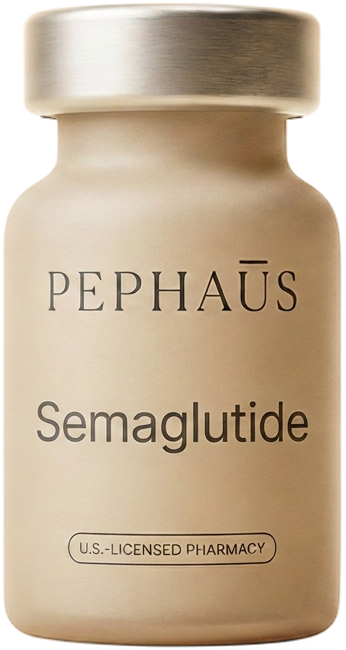
Most people start noticing something within the first seven days on semaglutide. It is not usually the scale yet, it is appetite. Food sounds less interesting, portions feel right at half what you used to eat, and the noise about snacking goes quiet. Here is what a normal semaglutide timeline looks like week by week, from the first shot through the point where your dose holds steady.
Is this you?
Is this you?
You just started semaglutide or you are about to, and you want to know what happens when. Some of this sounds familiar:
You are curious when the scale will actually move, not just when the provider says it might. You wonder if the first few weeks feel like anything at all. You want to know when appetite changes kick in, and whether they stick. You are trying to figure out if the timeline people talk about online matches what a provider actually sees. You have heard that side effects are worst early on and you want to know which weeks to plan around. If you nodded at two or three of those, keep reading.
Compounded semaglutide, prescribed online from $152/mo
One weekly shot. Provider visit and cold shipping included. Nothing charged unless you are prescribed.
See your yearly and weekly costWeek 1: Appetite shifts before the scale moves
The first shot is the lowest dose, usually 0.25 mg. Most people feel something in the first three to five days, and it is appetite. You sit down to eat and halfway through your usual portion you are done. Snacking between meals stops sounding good. The mental loop of thinking about food quiets down.
The scale does not move much this week. Some people see a pound or two, most see nothing yet. That is normal. The medication is starting to slow how fast your stomach empties, and your brain is getting the signal that you have eaten sooner than it used to.
Side effects this week, if they show up, are usually mild nausea or a little fatigue. Most people have none. If nausea does hit, the provider will tell you to eat smaller meals, skip anything greasy, and stay hydrated. It almost always fades by the end of the week.
Week 2 through 4: Steady appetite, first scale movement
You stay at that starting dose for four weeks. By week two the appetite change feels normal. You are not forcing yourself to eat less, you just want less. Portions that used to leave you wanting more now leave you comfortably full.
The scale starts moving between week two and week four. Most people see two to four pounds in this first month. It is not dramatic yet, but it is consistent. Your body is adjusting to taking in fewer calories without the fight that usually comes with cutting back.
Energy stays steady for most people. A few notice they feel a little more tired than usual in week two or three, and that lifts by week four. If nausea showed up in week one it is usually gone by now. The provider checks in at the end of week four to see how you are doing and whether you are ready to step up.
Ready when you are. Ten minutes on your phone.
Start my online visitWeek 5 through 8: First dose increase, more noticeable results
At week five the provider steps you up to 0.5 mg. This is where a lot of people notice the medication more clearly. Appetite drops further. Meals that felt satisfying at the lower dose now feel like too much halfway through. You start naturally gravitating toward protein and skipping the bread or the side because it does not sound good.
The scale picks up speed. Most people lose another four to six pounds between week five and week eight, sometimes more. That brings the total to somewhere around six to ten pounds in the first two months. Clothes start fitting differently. People notice.
Side effects, if they happen, usually show up in the first few days after the increase. Nausea is the most common one, and it almost always fades within a week. The provider will walk you through it. Eat smaller portions, avoid greasy food, drink water throughout the day. If it is rough they can slow the step up or add something to settle your stomach. Most people adjust within a week and feel fine for the rest of the month.
Week 9 through 12: Another step up, appetite is fully managed
At week nine you step up again, usually to 1 mg. For a lot of people this is the dose where appetite goes from lower to fully managed. You eat when you are hungry, you stop when you are full, and there is no mental effort involved. The voice that used to push you toward seconds or a snack an hour later is gone.
Results are steady now. Another four to eight pounds between week nine and week twelve is normal. That brings the three month total to around ten to eighteen pounds for most people. Progress is visible. Clothes you could not wear three months ago fit again.
Energy levels out. A few people feel a little sluggish the first week after stepping up, but by week ten or eleven they feel normal. Training, if you are doing it, feels fine. Recovery is fine. You are eating enough protein, staying hydrated, and the medication is doing its job in the background.
Week 13 through 16: Maintenance dose, steady weekly loss
At week thirteen some people step up to 1.7 mg, others stay at 1 mg for another month. It depends on how you are doing and how much more you want to lose. The provider looks at your progress, how you feel, and whether side effects have been manageable.
This is where most people settle into a rhythm. Weight comes off at a steady one to two pounds a week. Appetite stays managed. Meals are smaller, protein comes first, and nothing feels like a fight. The scale keeps moving, just not as fast as it did in the first two months.
If you stepped up to 1.7 mg, the first few days might bring mild nausea again. It fades fast, usually within a week. By now you know how to handle it. Small meals, plain protein, water, and it passes.
Week 17 through 24: Results plateau, dose adjusts or holds
By month four or five, a lot of people hit a point where the scale slows down. You are still losing, but it is slower. Half a pound to a pound a week instead of one to two. That is normal. Your body is adjusting to the new weight and the lower calorie intake.
The provider looks at whether stepping up helps. Some people go to 2 mg or 2.4 mg, others stay where they are and let the slower pace continue. It depends on how much more you want to lose and how you feel at the current dose.
Training and protein matter more now. The medication handles appetite, but muscle preservation is on you. Most providers recommend strength training two or three times a week and aiming for point eight to one gram of protein per pound of goal weight. That keeps muscle while the fat keeps coming off.
The real thing vs the rest
Gummies and GLP-1 pills are not the same thing
You will see gummies and pills marketed as GLP-1 or semaglutide alternatives. They are not. The active ingredient in those products was never tested in the clinical trials. You swallow it and about one percent reaches your blood. You inject semaglutide and about eighty percent does.
In clinical trials, injectable semaglutide led to about fifteen percent average body weight loss. Gummies and oral formulations that were not part of those trials do not have that track record. If you want the results the research shows, you want the injection compounded by a licensed U.S. pharmacy and prescribed by a licensed physician.
The real thing vs the rest
A gummy cannot do this. Not even close.
Weight loss gummies, so called GLP-1 pills and liposomal drops sold on social media were never in the clinical trials. Injectable tirzepatide and semaglutide were. Overseas research-only vials have no pharmacy and no physician behind them.

Weight loss gummies
0 mg
No GLP-1 medication inside. Fiber and plant extracts.
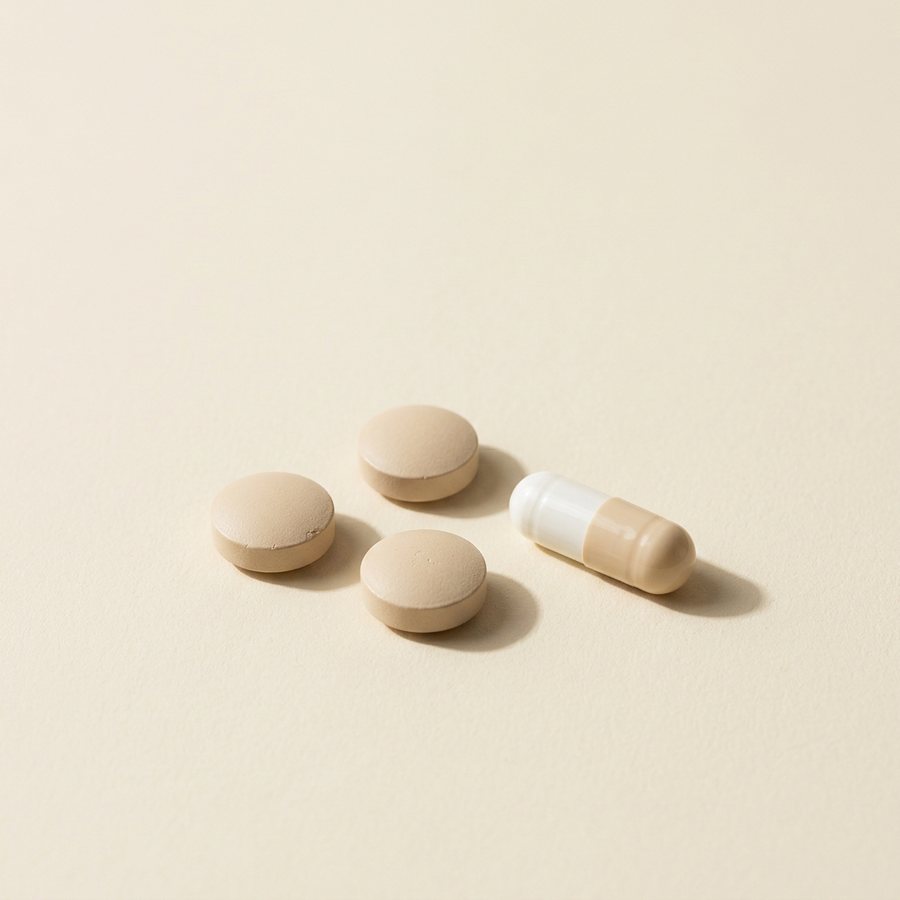
Pills and drops
about 1%
Swallow it and about 1 of every 100 units reaches your blood.
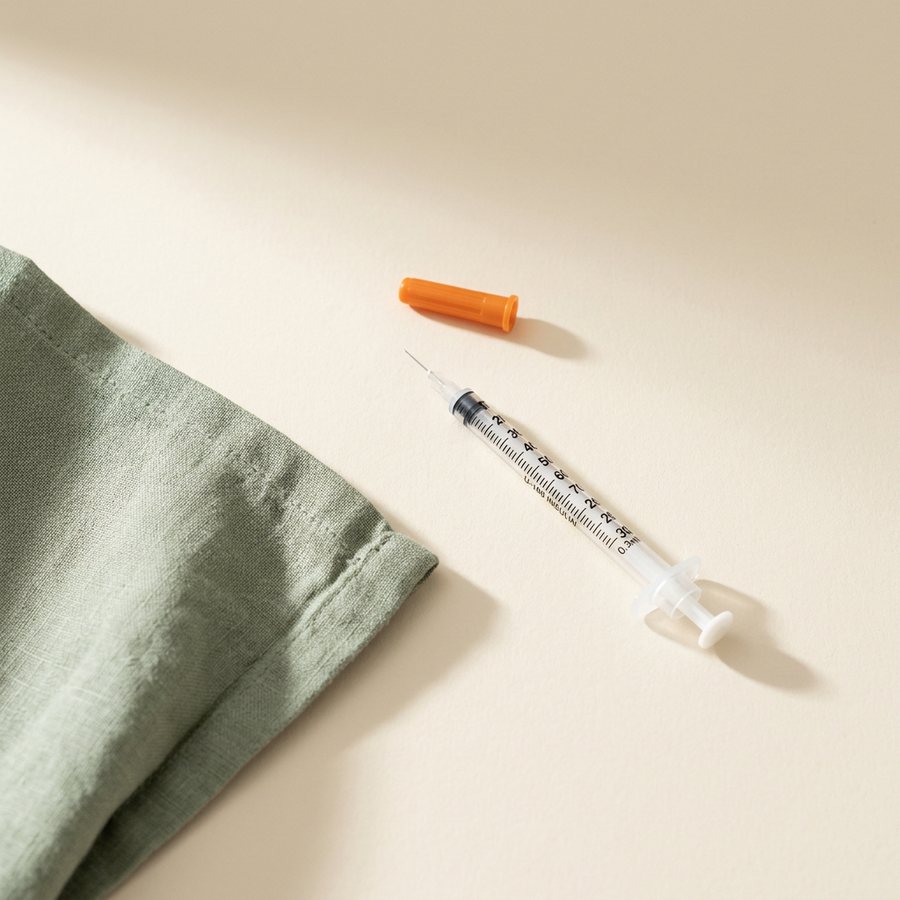
Weekly injection
about 80%
Absorbed from the fat layer. Nothing in the way.
Swallow it: about 1% reaches your blood. Inject it: about 80% does. Same comparison we show on our homepage.
| What you get | PepHaūs prescription | Gummies and “GLP-1 pills” | Grey market vials |
|---|---|---|---|
| Studied in clinical trials | |||
| Average loss in clinical trials | About 15% to 20% of body weight | None reported | Unknown |
| Physician licensed in your state | |||
| U.S.-licensed pharmacy | |||
| Tested product, cold shipped | |||
| Provider visit included | |||
| Dose tuned to you |
Pricing
What it costs
Compounded semaglutide from PepHaus is $169 a month billed monthly, $160 a month on the quarterly plan, and $152 a month on the six month plan. That includes the provider visit, the medication compounded by a U.S.-licensed pharmacy, and free expedited shipping. No doctor fee, no membership fee, nothing else charged. You can cancel anytime.
For a breakdown of what different doses and plans cost, and how PepHaus compares to other options, see the semaglutide cost page. If you want to see your yearly cost across different scenarios, the GLP-1 cost calculator walks you through it.
Pricing in your door
One price. Provider visit, medication and shipping included.
- First month$239
- 3-month plan$227/mo
- 6-month plan$215/mo
- First month$169
- 3-month plan$160/mo
- 6-month plan$152/mo
- Provider visit
- Medication
- Cold shipping to your door
- Refills on a schedule
- Care team messaging
- Cancel anytime online
LegitScript certified
A licensed U.S. pharmacy vs the grey market
Compounded semaglutide from PepHaus comes from a U.S.-licensed 503A compounding pharmacy. That means it is made in a facility that follows FDA standards, uses pharmaceutical grade ingredients, and is inspected regularly. Every batch is tested for sterility and potency. A U.S.-licensed physician reviews your health history and prescribes your dose.
Grey market semaglutide, the kind sold as research peptides from overseas suppliers, skips all of that. No pharmacy, no testing, no provider oversight. You are trusting a vial that says it contains what the label claims, with no way to verify it. Most people who want results stick with a licensed pharmacy.
FAQ
FAQ
How long does it take to see results on semaglutide?+
Most people see appetite changes within the first week and scale movement by week two to four. The first month usually brings two to four pounds of loss, and that picks up as the dose increases.
What week do you see the most weight loss on semaglutide?+
The biggest weekly losses usually happen between week five and week twelve, when the dose steps up and appetite drops further. After that, loss steadies to one to two pounds a week.
Do semaglutide results slow down over time?+
Yes. Most people see faster loss in the first three months, then it slows to half a pound to a pound a week. That is normal and expected. The provider can adjust the dose if it slows too much.
How much weight do people lose on semaglutide in 3 months?+
Ten to eighteen pounds is common in the first three months. Some people lose more, some less. It depends on starting weight, how well appetite stays managed, and whether you are active.
When do side effects go away on semaglutide?+
Nausea, if it shows up, usually fades within a week. It is most common in the first few days after starting or stepping up, and the provider can help you manage it with smaller meals and hydration.
Can you stay on semaglutide long term?+
Yes. A lot of people stay on it at a maintenance dose once they reach their goal weight. The provider monitors you and adjusts the dose as needed.
What happens if you skip a week of semaglutide?+
Appetite usually comes back within a few days. The medication leaves your system in about five weeks, so missing one shot will not undo everything, but it will slow progress. If you miss a dose, take it as soon as you remember, as long as the next scheduled dose is more than two days away. Most people who start semaglutide see steady, manageable results within the first month, and that continues as long as the dose keeps working. If you are still choosing a provider, what to look for in a semaglutide telehealth provider covers the differences between legitimate providers and ones cutting corners. The timeline above is what a normal progression looks like, week by week, with the dose increases and side effects that come with it. If that matches what you are looking for, you can get started with a provider visit at PepHaus .
Start your visit from your phone
Ten minutes on your phone. A physician licensed in your state. A box on your porch in 2 to 3 business days.
See if you qualifyYour care team
Every PepHaus visit is reviewed by a licensed physician from the Wasef Health Group provider network. A doctor reads your intake, decides if treatment fits, and sets your plan.
Meet the physiciansThis article is educational and is not medical advice. Compounded medications are not FDA-approved. Treatment requires evaluation by a licensed provider.