Semaglutide Maintenance Dose: What Happens After Titration
Maintenance dose is where semaglutide does most of its work.
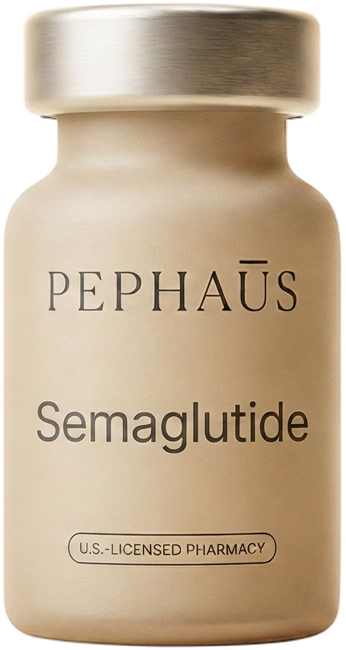
You titrated up from 0.25 mg to your maintenance dose. Now what? Maintenance is where semaglutide does most of its work. Here is what staying at maintenance looks like.
Is this you?
Is this you?
Any of this ring true:
If two or three of those sound familiar, this is for you.
You reached 2.4 mg and wonder if you stay there forever
Your provider said you hit your maintenance dose but did not explain what that means
You feel good at your current dose and want to know what comes next
You wonder if the dose stops working after a while
You are not sure when to adjust the dose
Weight loss slowed down and you think you need to go higher
You want to know if you can step back down later
You are at 1 mg or 1.7 mg and feel steady
The scale stopped moving but your clothes still fit better
You are managing weight maintenance, not just loss
What titration means
Semaglutide starts low. Your provider writes 0.25 mg for the first month. That lets your body adjust. Nausea stays manageable at that entry dose. After four weeks, you step up to 0.5 mg. Four weeks later, you go to 1 mg. Some people stop there. Others continue up to 1.7 mg or 2.4 mg over the following months.
Titration is the climb. Maintenance is the plateau where you stay. Clinical trials used 2.4 mg as the target maintenance dose. That is where the trial posted about 15% average body weight loss. Some people feel great at 1 mg and never need to go higher. Others need 2.4 mg to see results. Your provider watches how you respond and decides where your maintenance dose sits.
How long you stay at maintenance
Maintenance is not a temporary stop. You stay at that dose as long as the medication keeps working for you. Some people stay at 2.4 mg for a year or longer. Others find their sweet spot at 1.7 mg and stay there. The medication works by keeping your hunger signals quiet and your blood sugar steady. That benefit continues as long as you keep injecting.
Weight loss slows down at maintenance. The first few months post a bigger drop. Maintenance is where your weight stabilizes at a lower set point. The scale may not move much week to week. Your clothes fit differently. Energy levels stay up. Hunger stays manageable. That is maintenance doing its job.
Ready when you are. Ten minutes on your phone.
Start my online visitWhen to adjust your dose
Your provider adjusts the dose if something changes. Weight creeps back up after months of stability. Hunger comes back strong. Side effects get too much to handle at your current level. Those are reasons to talk about a dose change.
Going higher is not automatic. Some people think the dose stops working if the scale stops moving. That is not how it works. Maintenance keeps your weight steady. If you hold at the same weight for three months, that is the medication working. The goal at maintenance is to keep the weight off, not to keep losing forever.
Stepping down can happen. Some people reach their goal weight and want to see if a lower dose holds it. Your provider can drop you from 2.4 mg to 1.7 mg and watch what happens. If your weight stays stable and hunger stays quiet, the lower dose may be enough. If the weight comes back, you go back up.
The real thing vs the rest
Gummies and GLP-1 pills are not the same thing
Walk past the supplement aisle and you see gummies that claim GLP-1 benefits. None of those were in the trials. Injectable semaglutide posted about 15% body weight loss because the injection delivers about 80% of the compound to your bloodstream. Swallow a gummy and about 1% gets through your stomach acid. That gap is why injectable semaglutide works and gummies do not match the trial results.
Compounded by a U.S.-licensed pharmacy means pharmaceutical-grade medication. Prescribed by a U.S.-licensed physician means a real provider reviewed your health. Gummies from the supplement aisle offer neither.
The real thing vs the rest
A gummy cannot do this. Not even close.
Weight loss gummies, so called GLP-1 pills and liposomal drops sold on social media were never in the clinical trials. Injectable tirzepatide and semaglutide were. Overseas research-only vials have no pharmacy and no physician behind them.

Weight loss gummies
0 mg
No GLP-1 medication inside. Fiber and plant extracts.
Pills and drops
about 1%
Swallow it and about 1 of every 100 units reaches your blood.

Weekly injection
about 80%
Absorbed from the fat layer. Nothing in the way.
Swallow it: about 1% reaches your blood. Inject it: about 80% does. Same comparison we show on our homepage.
| What you get | PepHaūs prescription | Gummies and “GLP-1 pills” | Grey market vials |
|---|---|---|---|
| Studied in clinical trials | |||
| Average loss in clinical trials | About 15% to 20% of body weight | None reported | Unknown |
| Physician licensed in your state | |||
| U.S.-licensed pharmacy | |||
| Tested product, cold shipped | |||
| Provider visit included | |||
| Dose tuned to you |
Pricing
What it costs
Semaglutide from PepHaūs starts at $169 for the first month. A 3-month plan drops the monthly cost to $160. A 6-month plan brings it to $152 a month. Provider visit is included. Shipping is included. No doctor fee.
Pricing in your door
One price. Provider visit, medication and shipping included.
- First month$239
- 3-month plan$227/mo
- 6-month plan$215/mo
- First month$169
- 3-month plan$160/mo
- 6-month plan$152/mo
- Provider visit
- Medication
- Cold shipping to your door
- Refills on a schedule
- Care team messaging
- Cancel anytime online
LegitScript certified
A real U.S. pharmacy vs the grey market
Type semaglutide into a search engine and you find overseas suppliers selling research-only vials. No pharmacy, no prescription, no testing. You inject something that may or may not match what the label says. PepHaūs is LegitScript certified. Licensed U.S. pharmacy, licensed physician, tested for purity. The grey market offers none of that.
FAQ
FAQ
How long do I stay on semaglutide?+
You stay on semaglutide as long as it helps you manage your weight. Some people stay on it for years. Maintenance is not a countdown to stopping. The medication works by keeping hunger signals quiet. That benefit continues as long as you keep injecting.
Can I lower my dose after reaching 2.4 mg?+
Yes. Some people step down from 2.4 mg to 1.7 mg or 1 mg after reaching their goal weight. Your provider watches how your weight responds at the lower dose. If it stays stable, the lower dose may be enough. If weight comes back, you step back up.
What happens if I stop taking semaglutide?+
Weight comes back for most people. Semaglutide works while you take it. Stop injecting and your hunger signals return to where they were before. The medication does not reset your metabolism permanently. Staying on maintenance is how you keep the weight off.
Do I need to keep increasing my dose?+
No. You increase during titration until you reach your maintenance dose. Once you hit that level, you stay there. Some people reach 1 mg and stop. Others go to 2.4 mg. Your provider decides based on how you respond. You do not keep climbing forever.
How do I know if my maintenance dose is working?+
Your weight stays steady. Hunger stays manageable. You are not gaining weight back. The scale may not move much week to week at maintenance. That is normal. Maintenance holds your weight at a lower level, not dropping it forever.
Can semaglutide stop working after a while?+
The medication can lose effectiveness over time for some people. Weight creeps back up after months of stability. Hunger comes back strong. Those are signs to talk to your provider. They can adjust your dose or switch medications if needed. Get started at /start . Provider visit online, medication shipped to your door. No clinic, no waiting room.
Start your visit from your phone
Ten minutes on your phone. A physician licensed in your state. A box on your porch in 2 to 3 business days.
See if you qualifyYour care team
Every PepHaus visit is reviewed by a licensed physician from the Wasef Health Group provider network. A doctor reads your intake, decides if treatment fits, and sets your plan.
Meet the physiciansThis article is educational and is not medical advice. Compounded medications are not FDA-approved. Treatment requires evaluation by a licensed provider.