How Long Does TB-500 Take to Work? Results Timeline Week by Week
Most people notice steadier recovery and less soreness in the first two weeks with TB-500.
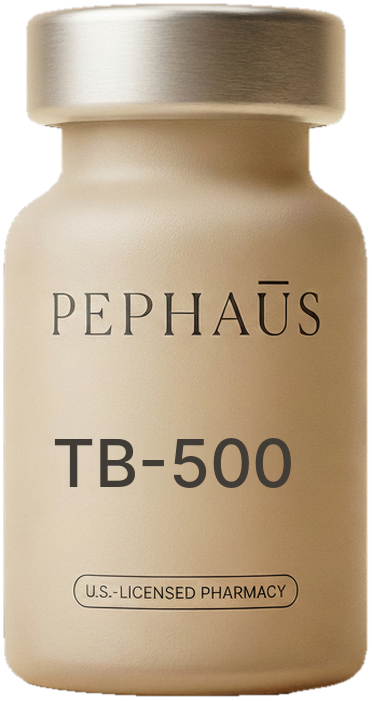
TB-500 works, but it's not instant. Most people notice steadier recovery and less next day soreness in the first two weeks, usually around day 10 to 14. That's when training feels like it's building instead of breaking you down.
Is this you?
Is this you?
You started TB-500 and you want to know when you'll notice something. Here are some signs you're in the right place:
If you nodded at two or three of those, keep reading.
You're a few days in and wondering if you should feel different already.
You're planning your training around TB-500 and need to know what week things shift.
You want to know if what you're noticing is typical or if you should reach back to the provider.
You're deciding between TB-500 and BPC-157 and the timeline matters.
You're combining TB-500 with other recovery protocols and want to know what to expect when.
You've seen wild claims online and you want the realistic version.
You're an athlete and you need to know if this fits your season schedule.
You're comparing the cost to other recovery support and the timeline changes the math.
TB-500 injections, prescribed online from $152/mo
A quick at home shot. Provider visit and shipping included. Nothing charged unless you are prescribed.
The short answer: most people notice something in the first two weeks
TB-500 is not a light switch. Most people report feeling steadier recovery and less next day soreness in the first two weeks, usually around day 10 to 14. That's when training feels like it's building instead of breaking you down. The provider sets your schedule based on your health history and what you're training for, and the dose steps up or down depending on how your body responds. Some people notice flexibility and range of motion improving in the second or third week. By week four to six, many people report that recovery between sessions is faster and training volume feels sustainable. The timeline depends on your starting point, your dose, how hard you're training, and what else you're doing for recovery.
What TB-500 is and how it works
TB-500 is a synthetic version of the active region of thymosin beta-4, a protein the body makes that is involved in cell movement and tissue repair. The body makes less of it with age. Most published research on TB-500 is in lab and animal studies, and human research is early, which is why a provider reviews your health history and sets your dose. TB-500 supports the body's natural repair process and pairs with training, sleep and protein. It is compounded by a U.S.-licensed pharmacy after a provider review. You can learn more about what TB-500 is and how it differs from overseas research vials at https://thepephaus.com/blog/what-is-tb-500.
PepHaus sells TB-500 only as an injection on the provider's schedule. Each dose is a small subcutaneous shot, usually a few times a week. The provider sets the dose and adjusts it based on how you respond, which you can read more about at https://thepephaus.com/blog/tb-500-dosage-protocol. Tested athletes should check their league's prohibited list first.
Ready when you are. Ten minutes on your phone.
Start my online visitWhat the first two weeks look like
Week one is mostly about getting the rhythm down. You're learning the injection technique, finding a spot that works, and building the habit. Most people don't feel much in the first few days. Some people report feeling a little more flexible by the end of the first week, but that's not universal. The provider checks in around day seven to see how it's going and whether the dose needs adjustment.
Week two is when most people notice something. Recovery between sessions feels steadier. You wake up less sore. Training volume that used to grind you down starts to feel sustainable. Some people report that their joints feel looser and their range of motion improves. This is also when the provider starts to see whether the dose is right or whether it needs to go up or down. If you're not noticing anything by day 14, the provider usually steps up the dose or adjusts the schedule.
What weeks three through six look like
By week three, most people report that TB-500 is doing its job. Recovery is faster, training feels like it's building, and you're less likely to lose a session because something tweaked. Flexibility and range of motion continue to improve. Some people report that stiffness they used to wake up with is gone or much lighter. This is also the time when the provider checks whether you're getting the result you wanted and whether the dose needs to stay where it is or step down.
Week four to six is when TB-500 feels like part of your routine. Recovery between sessions is steady, training volume is sustainable, and you're noticing progress instead of just managing soreness. Many people report that they're able to train harder without paying for it the next day. The provider checks in around week six to see whether you should stay on TB-500, step down the dose, or take a break.
What changes the timeline
Your starting point matters. If you're coming off a layoff or you've been training through soreness for months, it takes longer to notice a difference than if you're in a good baseline and you're adding TB-500 to stay there. Your training load also matters. If you're training hard six days a week, you'll notice TB-500's effect faster than if you're training three times a week. Sleep and protein matter too. TB-500 supports recovery, but it doesn't replace the other things your body needs to repair itself.
The dose the provider sets also changes the timeline. Some people respond to a lower dose and notice something in the first week. Others need a higher dose and it takes two weeks. The provider adjusts based on how you respond. If you're not noticing anything by week two, the dose usually steps up. If you're noticing too much too fast, the dose steps down.
How TB-500 compares to BPC-157
BPC-157 and TB-500 both support recovery, and many people take them together. BPC-157 is a 15 amino acid peptide originally identified from a protein in human gastric juice, and TB-500 is a synthetic version of the active region of thymosin beta-4. Most published research on both is in lab and animal studies. The timelines are similar. Most people notice BPC-157 in the first two weeks, and the same is true for TB-500. Some people report that BPC-157 works faster for localized issues, and TB-500 works better for overall recovery and flexibility. The provider can help you decide which one fits your goal, or whether taking them together makes sense.
Gummies and GLP-1 pills are not the same thing
TB-500 is an injection because it has to reach your blood to work. Peptides that you swallow break down in your stomach before they reach your blood. In the clinical trials, injectable peptides delivered about 80 percent of the dose, and oral forms delivered about 1 percent. TB-500 is not available as a gummy, pill or oral form from a licensed U.S. pharmacy. If you see TB-500 gummies or pills online, they are not the same thing.
What it costs
TB-500 is $169 a month billed monthly, $160 a month on the quarterly plan, and $152 a month on the 6 month plan. The provider visit and shipping are included. You can cancel anytime. The provider sets the dose and adjusts it based on how you respond, so the monthly cost stays the same whether you're on a higher or lower dose. You can see the full pricing at https://thepephaus.com/tb-500.
LegitScript certified
A licensed U.S. pharmacy vs the grey market
TB-500 from PepHaus is compounded by a U.S.-licensed pharmacy after a provider review. The provider checks your health history, sets your dose, and adjusts it based on how you respond. The pharmacy tests every batch for purity and sterility. You get a vial with a label, a dose that matches your prescription, and a provider you can reach if something changes.
Overseas research vials of TB-500 come with no provider, no testing, and no label. You're guessing the dose, guessing the purity, and guessing whether it's safe to inject. If something goes wrong, there's no one to call. The grey market TB-500 is cheaper, but you're taking a bigger risk. In October 2026, the FDA granted enforcement discretion letting licensed 503A compounding pharmacies compound TB-500 after the July 2026 advisory committee vote. The compounded version from a licensed pharmacy is legal and prescribed by a U.S.-licensed physician.
FAQ
FAQ
How long does it take to see TB-500 results?+
Most people notice steadier recovery and less next day soreness in the first two weeks, usually around day 10 to 14. Some people report flexibility and range of motion improving in the second or third week. By week four to six, many people report that recovery between sessions is faster and training volume feels sustainable.
How many weeks should I take TB-500?+
The provider sets the schedule based on your health history and what you're training for. Most people start with a 12 week cycle, and the provider adjusts based on how you respond. Some people stay on TB-500 longer, and some people take a break after 12 weeks and come back to it later.
Can I take TB-500 and BPC-157 together?+
Yes. Many people take TB-500 and BPC-157 together because they support recovery in slightly different ways. The provider can help you decide whether taking them together makes sense for your goal. The cost for both is $169 a month each, or $320 a month for the pair on the quarterly plan.
What if I don't notice anything by week two?+
Reach back to the provider. Most people notice something by day 10 to 14, so if you're not feeling different by week two, the provider usually steps up the dose or adjusts the schedule. TB-500 is not one size fits all, and the provider adjusts based on how you respond.
How long does TB-500 stay in your system?+
TB-500 has a half life of a few days, which is why most people inject it a few times a week. The provider sets the schedule based on your dose and what you're training for. If you stop taking TB-500, it clears your system in about a week.
Do I need to cycle off TB-500?+
The provider sets the schedule. Some people take TB-500 for 12 weeks and then take a break. Others stay on it longer. The provider checks in around week six to see whether you should stay on TB-500, step down the dose, or take a break.
Can I use TB-500 while training for a competition?+
If you compete in a tested sport, check your league's prohibited list first. TB-500 is on the World Anti-Doping Agency's prohibited list. If you're not in a tested sport, TB-500 can support recovery while you're training for a competition. The provider can help you plan the schedule around your season. TB-500 supports recovery by working with the body's natural repair process. Most people notice something in the first two weeks, and the provider adjusts the dose based on how you respond. If you're ready to start, you can get started at https://thepephaus.com/tb-500 .
Start your visit from your phone
Ten minutes on your phone. A physician licensed in your state. A box on your porch in 2 to 3 business days.
See if you qualifyYour care team
Every PepHaus visit is reviewed by a licensed physician from the Wasef Health Group provider network. A doctor reads your intake, decides if treatment fits, and sets your plan.
Meet the physiciansThis article is educational and is not medical advice. Compounded medications are not FDA-approved. Treatment requires evaluation by a licensed provider.