TB-500 Storage: How to Keep It Cold and Why It Matters
Keep it refrigerated, never freeze it, and when you travel use a cooler with ice packs.
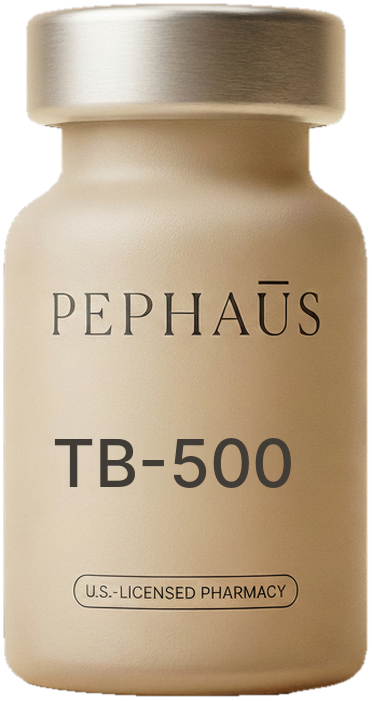
TB-500 from a licensed U.S. pharmacy ships ready to inject and stays in your refrigerator between injections. Keep it at 2 to 8 degrees Celsius, never freeze it, and when you travel use a small cooler with ice packs the same way you would insulin.
Is this you?
Is this you?
You just got your first TB-500 shipment and the box says refrigerate, but you are not sure if that means the whole time or just until you open it. You travel for work and need to know if it survives a weekend trip. You have heard people on forums talk about reconstituting powder and storing it in a freezer, and you are wondering if that applies to what a U.S. pharmacy sends. You want to know what happens if it sits out for an hour while you are at the gym. You saw the vial has an expiration date and you are not sure how close you can cut it. If two or three of those sound familiar, keep reading.
TB-500 injections, prescribed online from $152/mo
A quick at home shot. Provider visit and shipping included. Nothing charged unless you are prescribed.
How TB-500 from a pharmacy is different from research vials
When you get TB-500 compounded by a licensed U.S. pharmacy after a provider review, it arrives as a liquid already mixed and ready to inject. You pull it straight from the vial into the syringe the provider prescribed, inject it, and put the vial back in the refrigerator. There is no powder to mix, no bacteriostatic water to measure, and no multi-step reconstitution. The pharmacy did that work under sterile conditions, tested the batch, and shipped it cold.
Research vials sold online as powder for lab use are a different thing. Those come unmixed because they sit in a warehouse for months, and the instructions you find online about freezing the powder or storing reconstituted peptide for weeks in a fridge are written for people handling grey market material with no oversight. A U.S. pharmacy does not send you powder. It sends you a finished sterile injectable with a beyond use date, and your provider tells you exactly how to store it and how long it stays good.
Refrigeration is the rule, not the exception
TB-500 stays stable at refrigerator temperature, which is 2 to 8 degrees Celsius or about 36 to 46 degrees Fahrenheit. That is the same range you keep insulin, so if you already manage that, you know the drill. The vial goes in the main part of the fridge, not the door where the temperature swings every time someone opens it, and not the back corner where things freeze.
Most providers send a month supply at a time. The vial stays sealed in the fridge until your first injection, then it goes back in after every use. As long as it stays cold and you follow the sterile technique the provider showed you, it holds up for the full beyond use date printed on the label. That date is set by the pharmacy based on stability testing and regulatory limits, and it is usually 30 to 90 days from the date they compounded it, depending on the formulation.
Room temperature is fine for short periods. If the vial sits out for 30 minutes to an hour while you prep your injection, that does not ruin it. The issue is prolonged heat. Leaving it in a hot car, next to a sunny window, or out on the counter for half a day breaks down the peptide and you lose potency. When in doubt, get it back in the fridge.
Ready when you are. Ten minutes on your phone.
Start my online visitTraveling with TB-500
TB-500 travels the same way insulin does. You need a small insulated bag or cooler, a couple of reusable ice packs, and the vial in its original pharmacy packaging with your name and the prescription label visible. TSA allows medically necessary liquids and you can carry it through security in your carry-on. Do not check it in luggage where the hold gets too cold or sits on a hot tarmac.
For a weekend trip, one ice pack in a lunch-sized cooler keeps the vial cold for 24 hours if you do not open the cooler constantly. For longer trips, you either bring two sets of ice packs and swap them when you have access to a freezer, or you confirm your hotel room has a mini fridge and you transfer the vial there as soon as you check in. Some people on multi-week work travel coordinate their injection schedule so they finish one vial before they leave and start the next one when they get home, but that only works if your dosing falls that way.
If you fly a lot, keep the cooler and ice packs in your usual travel kit so packing TB-500 is one less thing to remember. The provider can also write a travel letter stating you are prescribed TB-500 for a legitimate medical use, which is rarely asked for but helpful if you cross an international border where the rules are less clear.
What happens if it is not stored correctly
Heat degrades TB-500. If the vial sits in a hot car for a few hours or gets left out overnight, the peptide starts breaking down and you lose some of the active compound. You cannot see it or smell it. The liquid looks the same. But when you inject it, it does less than it should, and your provider will not know why your progress stalled until you mention the storage lapse.
Freezing is just as bad. Ice crystals can break the peptide structure and once it thaws you have a vial of liquid that may or may not work. Refrigerator temperature is cold enough. Freezer temperature is too cold. If you accidentally freeze a vial, tell your provider. They will usually replace it rather than have you inject something with unknown potency.
The beyond use date is not a suggestion. After that date the pharmacy cannot guarantee the vial still holds the labeled dose. Some peptides stay stable past their date if they were stored perfectly, but you have no way to test that at home, and using an expired vial means you are guessing at your dose. Your provider bases your protocol on a known amount of TB-500 per injection, and if the vial is expired that math no longer works.
What it costs
TB-500 from PepHaūs is $169 a month on the monthly plan, $160 a month if you pay quarterly, and $152 a month on the six month plan. That price includes the provider visit, the compounded TB-500 shipped cold from a U.S. licensed pharmacy, all the supplies you need to inject it, and free expedited shipping. There is no doctor fee, no membership, and no charge unless the provider prescribes it. You can learn more at thepephaus.com/tb-500.
LegitScript certified
A licensed U.S. pharmacy vs the grey market
Overseas research vial websites sell TB-500 as powder for research use only, with no prescription, no provider, and no testing that proves what is in the vial. It ships from China or Eastern Europe in a plain envelope, sits in customs for weeks, and shows up at room temperature or melted. The websites say for lab use only because selling it for human use without FDA oversight is illegal, but they know people inject it and they do not care.
A U.S. licensed 503A compounding pharmacy makes TB-500 under the same sterile conditions as any other injectable, tests every batch, labels it with your name and the beyond use date, and ships it cold in a package that arrives within two days. A licensed provider reviews your health history, writes the prescription, sets your dose based on what you are trying to accomplish, and adjusts it if your body responds differently than expected. The pharmacy follows state and federal rules, the provider is accountable to a medical board, and if something goes wrong you have recourse.
FAQ
FAQ
Does TB-500 need to be refrigerated the whole time?+
Yes. Keep it in the refrigerator at 2 to 8 degrees Celsius between injections. It can sit out for 30 minutes to an hour while you prep your dose, but it goes back in the fridge right after.
Can I freeze TB-500 to make it last longer?+
No. Freezing can break down the peptide structure and you lose potency. Refrigerator temperature is cold enough.
What do I do if my TB-500 was left out overnight?+
Tell your provider. If it sat at room temperature for more than a few hours, the potency is uncertain and they will usually replace the vial rather than have you inject something that may not work.
How do I travel with TB-500?+
Use a small insulated cooler with ice packs, the same way you would travel with insulin. Keep it in your carry-on with the pharmacy label visible. TSA allows medically necessary injectables.
Can I use TB-500 past the expiration date if it was stored correctly?+
No. The beyond use date is the last day the pharmacy guarantees the vial holds the labeled dose. After that your dose is a guess, and your provider based your protocol on a known amount.
How long does TB-500 last once I open the vial?+
As long as the beyond use date printed on the label, which is usually 30 to 90 days from the date the pharmacy compounded it. Keep it refrigerated and follow sterile technique every time you draw from it.
Is storing TB-500 different from storing BPC-157?+
Both are peptides that need refrigeration at the same temperature range. The same storage rules apply. Keep them cold, never freeze them, and use them before the beyond use date. If you are ready to start a recovery protocol with TB-500 compounded by a licensed U.S. pharmacy and prescribed by a provider who reviews your health and sets your dose, PepHaūs makes it simple. The visit is online, the medication ships cold and arrives in about two days, and storage is straightforward once you know the rules. You can get started at thepephaus.com/tb-500 .
Start your visit from your phone
Ten minutes on your phone. A physician licensed in your state. A box on your porch in 2 to 3 business days.
See if you qualifyYour care team
Every PepHaus visit is reviewed by a licensed physician from the Wasef Health Group provider network. A doctor reads your intake, decides if treatment fits, and sets your plan.
Meet the physiciansThis article is educational and is not medical advice. Compounded medications are not FDA-approved. Treatment requires evaluation by a licensed provider.