TB-500 Side Effects: What to Expect and How Providers Handle Them
Supports recovery with minimal side effects when prescribed by a U.S.-licensed provider.
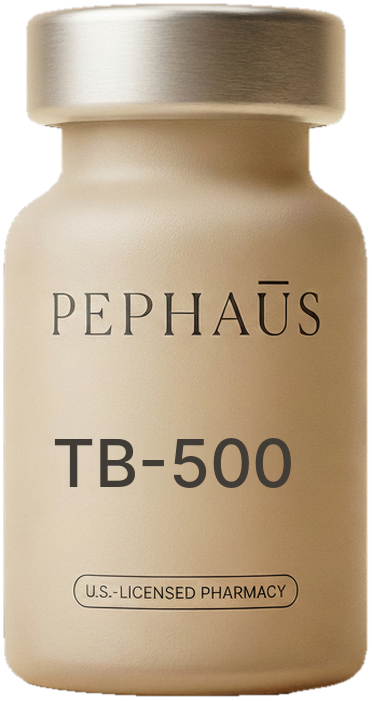
TB-500 side effects are mild when prescribed by a U.S.-licensed provider who sets your dose and checks your health history first. Most people report injection site tenderness, light fatigue in the first few days, or no side effects at all.
Is this you?
Is this you?
You heard about TB-500 for recovery support and you want to know what to expect before you start. You are comparing it to other recovery peptides and wondering if side effects differ. You saw research vials online with no dosing guidance and you want to know what a provider actually checks. You started recently and you felt tired the first week, so you want to know if that is normal. You want to know what the provider does if something comes up. You are an athlete who competes in a tested sport and you need to understand what to watch for. If you nodded at two or three of those, keep reading.
TB-500 injections, prescribed online from $152/mo
A quick at home shot. Provider visit and shipping included. Nothing charged unless you are prescribed.
What TB-500 side effects actually look like
TB-500 is a synthetic version of the active region of thymosin beta-4, a protein your body makes that supports cell movement and tissue repair. Most published research on TB-500 comes from lab and animal studies, which is why a U.S.-licensed provider reviews your health history, checks for any conditions that would mean TB-500 is not right for you, and sets your dose based on your individual response. The provider starts you at a conservative dose and adjusts based on how you feel, which keeps side effects minimal for most people.
The side effects people report most often are injection site tenderness for a day or two, mild fatigue in the first few days as your body adjusts, or occasional headaches that go away when you hydrate more and adjust injection timing. Many people report no side effects at all. When side effects do show up, the provider adjusts your dose, changes your injection schedule, or walks you through injection technique to reduce tenderness. You are never managing side effects on your own.
Some people notice increased vascularity or a flushed feeling in the first week, which settles as your system gets used to the peptide. If fatigue lasts past the first week or you feel more tired than normal, the provider checks your dose and may lower it or spread it across more frequent smaller shots. If injection sites stay sore past a couple of days, the provider reviews your technique, checks the injection depth, and makes sure you are rotating sites so no one spot gets overused.
What the provider checks before you start
The provider asks about any active autoimmune conditions, recent surgery, known cancer or a family history of cancer, blood clotting disorders, and allergies to peptides or ingredients used in compounding. TB-500 supports your natural repair process, so if you have a condition where increased cell movement or repair activity would not be safe, the provider lets you know TB-500 is not the right fit. This is not about side effects from the peptide itself but about how it interacts with what is already going on in your body.
The provider also checks what other medications, peptides, or supplements you take to make sure nothing interacts poorly. If you are on blood thinners, immune-modulating medications, or other recovery peptides, the provider sets your dose with that context in mind. If you compete in a tested sport, the provider reminds you to check your league's prohibited substances list first, since some athletic organizations restrict peptides even when prescribed by a licensed provider.
Ready when you are. Ten minutes on your phone.
Start my online visitHow the provider sets your dose to minimize side effects
The provider starts with a low dose and increases gradually based on your response. Most protocols run a few small injections a week, with the exact schedule and amount set for you individually. If you feel fine at the starting dose, the provider may increase it slightly after a couple of weeks. If you notice fatigue, headaches, or soreness, the provider keeps the dose where it is or lowers it until your body adjusts.
Injection timing matters for how you feel. Some people do better injecting in the evening so any mild fatigue happens while they sleep. Others prefer morning injections paired with their training schedule. The provider adjusts timing based on what works for you and what side effects, if any, you notice. You check in with the provider regularly in the first month so adjustments happen quickly, not weeks later after you pushed through something uncomfortable.
Gummies and GLP-1 pills are not the same thing
Recovery peptides taken orally, whether as capsules, tablets, or powders, break down in your stomach before they reach your bloodstream. Swallow a peptide and about 1% reaches your blood. Inject it and about 80% does. TB-500 is prescribed as an injection compounded by a licensed U.S. pharmacy after a provider review, which is why you get consistent dosing and a provider who adjusts your protocol based on your response. Research vials sold online with no provider review, no dosing protocol, and no compounding oversight are a different category entirely.
What it costs
TB-500 from PepHaūs costs $169 a month billed monthly, $160 a month on a quarterly plan, or $152 a month on a 6-month plan. The provider visit and free expedited shipping are included, and you never pay a separate doctor fee. You can cancel anytime. Learn more at /tb-500 or see how TB-500 compares to BPC-157 and other recovery peptides at /recovery.
LegitScript certified
A licensed U.S. pharmacy vs the grey market
Compounded TB-500 from a licensed 503A U.S. pharmacy means the peptide is mixed, tested, and shipped under pharmacy oversight, prescribed by a U.S.-licensed physician who sets your dose and checks in with you. Research vials sold online as "for research use only" come with no provider review, no dosing guidance, no testing for purity or sterility, and no one to contact if side effects show up. In October 2026 the FDA granted enforcement discretion letting licensed compounding pharmacies compound TB-500, which means the version prescribed through a provider follows pharmacy standards. The research vial version does not.
FAQ
FAQ
What are the most common TB-500 side effects?+
Most people report mild injection site tenderness for a day or two, light fatigue in the first few days, or no side effects at all. Some notice increased vascularity or a flushed feeling in the first week. The provider adjusts your dose or injection schedule if anything feels uncomfortable, so side effects stay minimal.
How do I know if a side effect is serious?+
Contact the provider right away if you notice swelling that spreads beyond the injection site, a rash, trouble breathing, chest tightness, or any allergic reaction symptoms. Also reach out if fatigue lasts past the first week, headaches do not improve with hydration, or you feel worse than you expect. The provider checks whether the dose needs adjustment or whether TB-500 is not the right fit for you.
Can TB-500 cause long-term side effects?+
Most published research on TB-500 comes from lab and animal studies, and human research is early, so long-term safety data in people is limited. The provider reviews your health history and monitors your response to catch any issues early. If you have concerns about long-term use, discuss them with the provider before starting so you can make an informed decision.
Does TB-500 interact with other medications?+
TB-500 may interact with blood thinners, immune-modulating medications, or other peptides, which is why the provider asks what you take before prescribing. If you start a new medication while on TB-500, let the provider know so they can check for interactions and adjust your protocol if needed.
Is TB-500 safe for athletes?+
TB-500 supports recovery and the body's natural repair process, and many athletes use it as part of their training and recovery routine. If you compete in a tested sport, check your league's prohibited substances list first, since some organizations restrict peptides even when prescribed by a licensed provider. The provider walks you through what to consider based on your sport and competition schedule.
How long does it take for side effects to go away?+
Injection site tenderness fades within a day or two. Fatigue usually settles after the first few days as your body adjusts. If side effects last longer, the provider adjusts your dose or changes your injection schedule so you feel better quickly. Individual results vary, so your timeline depends on your dose, your schedule, and how your body responds.
Can I take TB-500 with BPC-157?+
Many people take TB-500 and BPC-157 together, since they support recovery through different pathways and pair well. The provider sets your dose for each peptide and monitors your response to both. If you are already on one and want to add the other, the provider adjusts your protocol so you start the second peptide at a conservative dose and work up gradually. Read more about taking them together at bpc-157-and-tb-500-together . Compounded TB-500 prescribed by a U.S.-licensed provider after a health review gives you a recovery peptide with a dosing protocol set for you, a provider who adjusts based on your response, and support if side effects show up. Most people tolerate TB-500 with minimal or no side effects, and when something does come up, the provider handles it quickly so you can keep training, recovering, and sleeping well without pushing through discomfort on your own.
Start your visit from your phone
Ten minutes on your phone. A physician licensed in your state. A box on your porch in 2 to 3 business days.
See if you qualifyYour care team
Every PepHaus visit is reviewed by a licensed physician from the Wasef Health Group provider network. A doctor reads your intake, decides if treatment fits, and sets your plan.
Meet the physiciansThis article is educational and is not medical advice. Compounded medications are not FDA-approved. Treatment requires evaluation by a licensed provider.