NAD+ Injections Side Effects: What to Expect and How Providers Help
NAD+ injections cause mild side effects like injection site redness and brief flushing, both manageable and temporary.
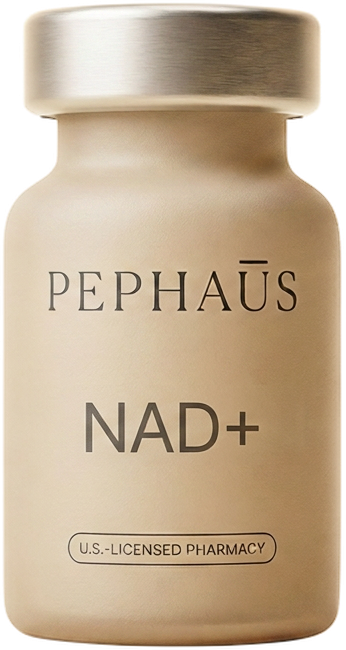
NAD+ injections cause mild side effects for most people. Slight redness or tenderness at the injection site and brief flushing are the most common. Both fade within a few hours and get less noticeable after the first few weeks of use.
Is this you?
Is this you?
You want to try NAD+ for energy and focus but you are not sure what side effects to expect. You read that injections can cause flushing and you want to know what that feels like. You worry about reactions because you have sensitive skin. You are comparing NAD+ injections to pills or IV drips and trying to figure out which has fewer side effects. If you nodded at two or three of those, keep reading.
NAD+ injections, prescribed online from $179/mo
A quick at home shot. Provider visit and shipping included. Nothing charged unless you are prescribed.
What side effects happen with NAD+ injections
The most common side effect is mild redness, swelling or tenderness at the injection site. That happens because the needle breaks the skin and the body sends healing signals to that spot. It fades within a few hours and you can ice the area for a few minutes right after injecting if it feels sore.
Flushing is the other side effect people notice. It feels like warmth spreading across your face, neck or chest for 10 to 30 minutes after the injection. Some people describe it as a mild hot flash. It does not hurt and it fades on its own as the NAD+ moves through your system. Flushing happens more often with higher doses or when injecting too fast, and it gets less intense after the first few weeks as your body adapts.
A small number of people feel mild nausea within an hour of injecting, especially on an empty stomach. Eating a light snack before injecting helps prevent that. Headaches can happen during the first week but are uncommon and go away as your body adjusts to the peptide.
How providers set the dose to minimize side effects
A provider reviews your health history and starts you on a low dose. Most people begin with a few small subcutaneous injections per week. The provider watches how you respond during the first two weeks and adjusts the dose based on your feedback. Starting low and stepping up slowly reduces the chance of flushing or nausea.
Providers also teach you to inject slowly. Pushing the peptide in over 30 to 60 seconds instead of all at once cuts down on flushing. Rotating injection sites between your abdomen, thighs and upper arms prevents soreness from building up in one spot. Most providers prescribe subcutaneous NAD+ injections because they are easier to do at home and cause fewer side effects than intramuscular injections, and you can read more about subcutaneous vs intramuscular NAD+ injections.
Ready when you are. Ten minutes on your phone.
Start my online visitWhat the first month looks like
Week one brings the most noticeable side effects. You might see redness at the injection site that fades within hours. Flushing can happen after the first few injections but gets milder as you continue. By week two, most people stop noticing flushing at all. Energy improvements start around week one or two, with better focus and less afternoon fatigue.
By week three or four, injection site reactions are minimal. Your body knows what to expect and the redness or tenderness becomes less each time. Energy and mental clarity continue to improve, and most people feel steadier energy throughout the day without the peaks and crashes they had before.
The real thing vs the rest
Gummies and GLP-1 pills are not the same thing
You can swallow a gummy or pill, and about one percent of the peptide reaches your blood. The rest breaks down in your stomach before it does anything. Inject NAD+ and about 80 percent gets where it needs to go. Oral NAD+ supplements were never tested in the clinical trials that measured energy and cellular health outcomes.
The real thing vs the rest
A capsule cannot do this.
An injection prescribed by a physician puts the compound where it needs to go. A capsule or drink from an ad mostly does not survive digestion, and a grey market vial has nobody standing behind it.

Gummies and drinks
0 mg
No prescription compound inside.
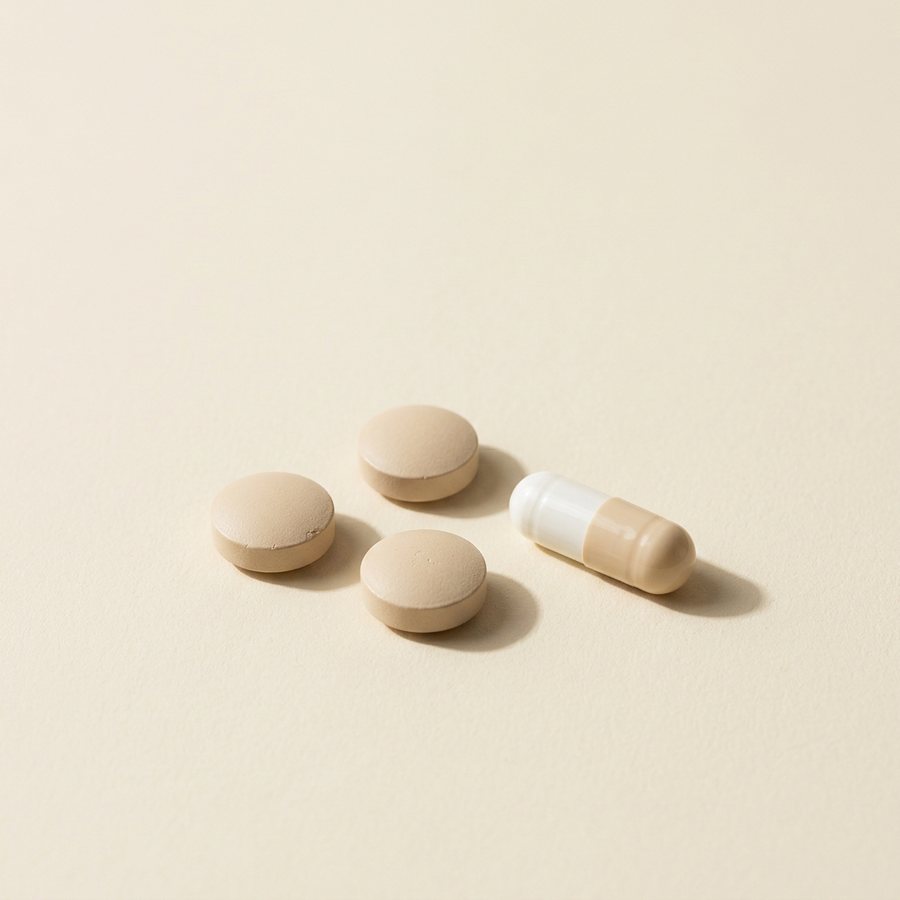
Liposomal capsules
about 1%
Swallow it and about 1 of every 100 units reaches your blood.
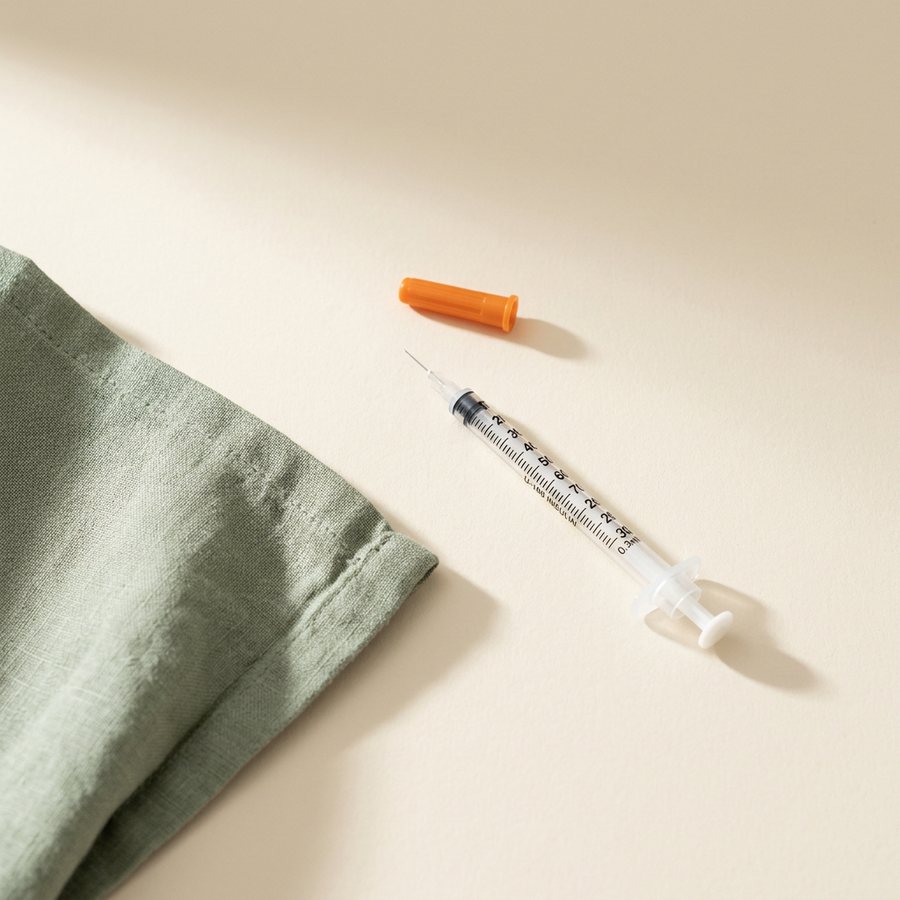
Weekly injection
about 80%
Absorbed from the fat layer. Nothing in the way.
Swallow it: about 1% reaches your blood. Inject it: about 80% does. Same comparison we show on our homepage.
| What you get | PepHaūs prescription | Liposomal capsules and drinks | Grey market vials |
|---|---|---|---|
| Goes straight into your system | Unknown | ||
| Physician licensed in your state | |||
| U.S.-licensed pharmacy | |||
| Tested product, cold shipped | |||
| Provider visit included | |||
| Dose tuned to you |
Pricing
What it costs
NAD+ injections cost $199 a month on month to month billing, $189 a month when you pay quarterly and $179 a month on a six month plan. That price includes the provider visit, the peptide compounded by a U.S.-licensed pharmacy, shipping and everything else. There is never a separate doctor fee. You can see the full breakdown at /nad-injection-cost.
Pricing in your door
One price. Provider visit, medication and shipping included.
- Provider visit
- Medication
- Cold shipping to your door
- Refills on a schedule
- Care team messaging
- Cancel anytime online
LegitScript certified
A licensed U.S. pharmacy vs the grey market
A U.S.-licensed pharmacy compounds NAD+ after a provider reviews your health and writes a prescription. You know the dose, the purity and where it came from. The grey market sells research vials shipped from overseas, often labeled "not for human use" to dodge regulations. No provider reviews your health, no pharmacy tests the vial and no one checks what is in it.
FAQ
FAQ
How long do NAD+ injection side effects last?+
Injection site redness fades within a few hours. Flushing lasts 10 to 30 minutes after injecting. Most side effects get milder after the first two weeks.
Can I prevent flushing with NAD+ injections?+
Injecting slowly over 30 to 60 seconds instead of all at once reduces flushing. Starting with a lower dose and stepping up gradually also helps.
Are NAD+ injections safer than IV drips?+
Both are safe when prescribed by a provider and compounded by a licensed pharmacy. Injections cause fewer side effects than IV drips for most people because the dose is smaller and absorbed more slowly.
What should I do if I get a lump at the injection site?+
A small lump is normal and usually means the NAD+ is sitting under the skin. It absorbs within a day or two. Massaging the area gently after injecting helps it spread faster.
Can NAD+ injections cause allergic reactions?+
Allergic reactions are rare but possible with any injectable. Signs include hives, swelling or trouble breathing. If that happens, stop injecting and contact your provider right away.
Do NAD+ side effects get worse with higher doses?+
Flushing can be more intense with higher doses, but it still fades within 30 minutes. Providers increase the dose slowly to give your body time to adjust.
Can I take NAD+ injections if I have sensitive skin?+
Yes. Injection site reactions are usually mild even for people with sensitive skin. Rotating sites and using a clean technique reduce irritation. NAD+ injection side effects are mild and temporary for most people. Injection site redness and brief flushing are the most common, and both fade as your body adapts to the peptide. Providers start you on a low dose and step up slowly to minimize side effects while you build energy and mental clarity over the first few weeks. PepHaūs providers check in regularly and adjust your plan based on how you feel. If you are ready to start, you can begin the process at /nad or learn more about how the peptide works at /nad-guide .
Start your visit from your phone
Ten minutes on your phone. A physician licensed in your state. A box on your porch in 2 to 3 business days.
See if you qualifyYour care team
Every PepHaus visit is reviewed by a licensed physician from the Wasef Health Group provider network. A doctor reads your intake, decides if treatment fits, and sets your plan.
Meet the physiciansThis article is educational and is not medical advice. Compounded medications are not FDA-approved. Treatment requires evaluation by a licensed provider.