NAD+ vs Sermorelin: Which Peptide Fits Your Goals?
NAD+ supports cellular energy and longevity while sermorelin supports recovery and deeper sleep.
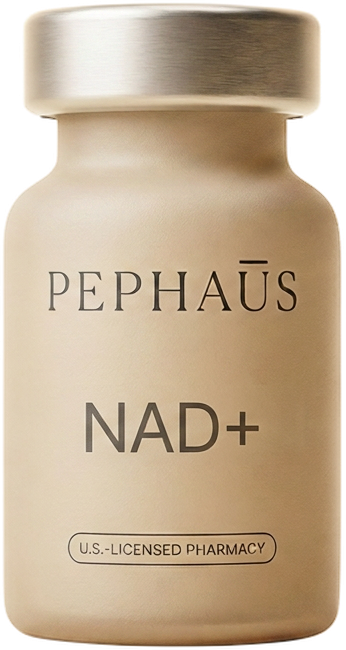
NAD+ and sermorelin work through completely different pathways. NAD+ is a coenzyme your cells use to produce energy and supports longevity pathways at the cellular level. Sermorelin signals your pituitary to release your own growth hormone in its natural nightly pulse, which supports recovery, deeper sleep, and energy through better rest.
Is this you?
Is this you?
You want steady energy that lasts all day but you are not sure which peptide fits your goals. You have heard about NAD+ for longevity and focus, and sermorelin for recovery and sleep, but the difference between them is not clear. You are wondering if one is better than the other, or if you can take both. You want something a licensed provider reviews and a U.S. pharmacy compounds, not grey market research vials. You are comparing peptides to figure out which supports what you are working on right now. If you nodded at two or three of those, keep reading.
NAD+ injections, prescribed online from $179/mo
A quick at home shot. Provider visit and shipping included. Nothing charged unless you are prescribed.
What NAD+ does and how it works
NAD+ is nicotinamide adenine dinucleotide, a coenzyme in every cell that helps turn food into usable energy. It supports the mitochondria, the parts of your cells that produce ATP, and activates proteins called sirtuins that are studied for their role in cellular aging and repair. As you age, NAD+ levels drop, which is why many people use it for energy and longevity.
Most people start NAD+ injections because they want steadier focus, less afternoon fatigue, or support for how their cells handle stress and repair over time. A U.S.-licensed provider reviews your health history, orders labs if needed, and sets your dose. You inject it subcutaneously a few times a week on the schedule the provider gives you, usually starting low and adjusting based on how you feel and what the labs show.
The protocol usually runs several weeks to a few months. Many people report feeling sharper focus within the first two weeks and steadier energy by week four. NAD+ pairs with exercise, sleep, and a diet that supports mitochondrial health. It is not a stimulant and does not raise adrenaline or cortisol. It supports the pathways your cells already use to produce energy and stay healthy.
What sermorelin does and how it works
Sermorelin is a growth hormone releasing hormone analog. It signals your pituitary gland to release your body's own growth hormone in the natural pulsing rhythm that happens during deep sleep. Growth hormone supports lean body composition, recovery from training, skin quality, and how well you sleep. Sermorelin does not raise growth hormone all day long. It works with your natural cycle, so the release happens mostly at night when growth hormone is supposed to peak.
People start sermorelin injections for deeper sleep, faster recovery after workouts, and more energy during the day that comes from sleeping better and recovering faster. A provider reviews your health history and may order labs to check your baseline IGF-1, a marker of growth hormone activity. You inject sermorelin subcutaneously, usually in the evening before bed so it works with your natural nighttime pulse.
Most people notice deeper sleep within the first week and better recovery by week two or three. Sermorelin is not HGH, not a steroid, and not testosterone. It does not raise testosterone and PepHaus does not sell TRT or HGH. The muscle and recovery claims are limited to supporting what you get from training, protein, and sleep, not replacing any of those.
Ready when you are. Ten minutes on your phone.
Start my online visitNAD+ vs sermorelin: how they compare
NAD+ and sermorelin address different parts of how your body produces energy and recovers. NAD+ works at the cellular level to support energy production and longevity pathways. Sermorelin works through the pituitary and growth hormone to support recovery and sleep. They do not compete with each other because they use completely separate mechanisms.
NAD+ is the better fit if your main goal is steady daytime energy, focus, and supporting how your cells age and repair. It pairs well with a demanding work schedule, long days that need sustained mental sharpness, and a longevity-focused routine. Sermorelin is the better fit if your main goal is deeper sleep, faster recovery from training, and energy that comes from sleeping and recovering better. It pairs well with strength training, physically demanding work, and anyone who feels like their sleep or recovery has slowed down.
The cost difference is about forty dollars a month. NAD+ is $199 a month on the monthly plan, $189 a month on the quarterly plan, and $179 a month on the six-month plan. Sermorelin is $159 a month on the monthly plan, $151 a month on the quarterly plan, and $143 a month on the six-month plan. Both include the provider visit and shipping, and there is never a separate doctor fee. You can see the full breakdown at the NAD+ cost page and the sermorelin cost page.
Can you take NAD+ and sermorelin together
Yes, many people take NAD+ and sermorelin together because they work through different pathways. NAD+ supports cellular energy during the day and sermorelin supports recovery and growth hormone release at night. Taking both means you get the focus and longevity support from NAD+ plus the sleep and recovery support from sermorelin.
A provider who prescribes both will set the timing so they do not interfere with each other. The usual schedule is NAD+ in the morning or early afternoon, and sermorelin in the evening before bed. The provider reviews your health history, checks for any contraindications, and adjusts the doses based on how you respond and what your labs show. Taking both costs more than taking one, so the decision depends on whether your goals need both pathways or just one.
How a provider decides which you need
A provider looks at what you are trying to fix and what your baseline labs show. If you come in saying you want better focus and energy during the day and your main complaint is afternoon fatigue or brain fog, NAD+ is usually the first choice. If you come in saying you want better sleep and faster recovery from training, sermorelin is usually the first choice.
The provider may order labs before starting either one. For NAD+, that can include markers of cellular energy and inflammation. For sermorelin, that usually includes IGF-1 to see where your growth hormone activity sits at baseline. If you are already training hard, eating enough protein, and sleeping seven or eight hours but still not recovering well, sermorelin addresses the growth hormone part of that puzzle. If you are doing all of that and still feeling mentally sluggish or low energy, NAD+ addresses the cellular energy part.
Some people start one, see how it goes for a month or two, and then add the other if they want support in both areas. There is no rule that says you have to pick one forever. The provider adjusts the plan based on what is working and what still needs support. You can order NAD+ injections online after a provider review, or start with sermorelin if that fits your goals better.
Pricing
What it costs
NAD+ is $199 a month on the monthly plan, $189 a month if you pay quarterly, and $179 a month if you pay for six months up front. Sermorelin is $159 a month on the monthly plan, $151 a month if you pay quarterly, and $143 a month if you pay for six months up front. Both prices include the provider visit, the medication compounded by a U.S.-licensed pharmacy, and free expedited shipping. There is never a separate doctor fee or membership fee.
If you take both together, the total is about $360 a month on the monthly plans, less if you choose the quarterly or six-month plans. You can cancel anytime and there is no penalty for stopping. The provider visit happens before the first prescription and again if you need dose adjustments or have questions. You can learn more about NAD+ at the NAD+ guide and more about sermorelin at the sermorelin guide.
Pricing in your door
One price. Provider visit, medication and shipping included.
- Provider visit
- Medication
- Cold shipping to your door
- Refills on a schedule
- Care team messaging
- Cancel anytime online
The real thing vs the rest
Gummies and pills are not the same thing
NAD+ and sermorelin are both peptides that break down in your stomach, so oral forms do not work the way injections do. Inject NAD+ and about 80 percent reaches your bloodstream. Swallow a NAD+ pill or gummy and about 1 percent does. The same applies to sermorelin. Injectable peptides prescribed by a provider and compounded by a licensed pharmacy give you the dose that was studied and the dose the provider set for you.
The real thing vs the rest
A capsule cannot do this.
An injection prescribed by a physician puts the compound where it needs to go. A capsule or drink from an ad mostly does not survive digestion, and a grey market vial has nobody standing behind it.

Gummies and drinks
0 mg
No prescription compound inside.
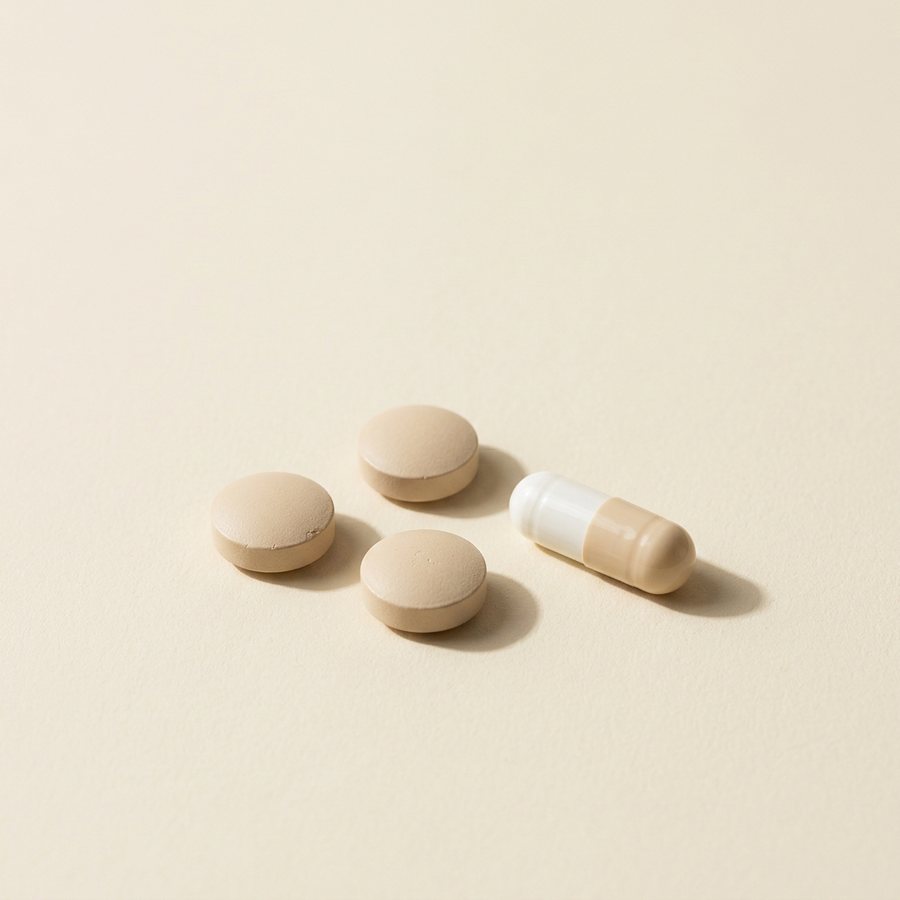
Liposomal capsules
about 1%
Swallow it and about 1 of every 100 units reaches your blood.
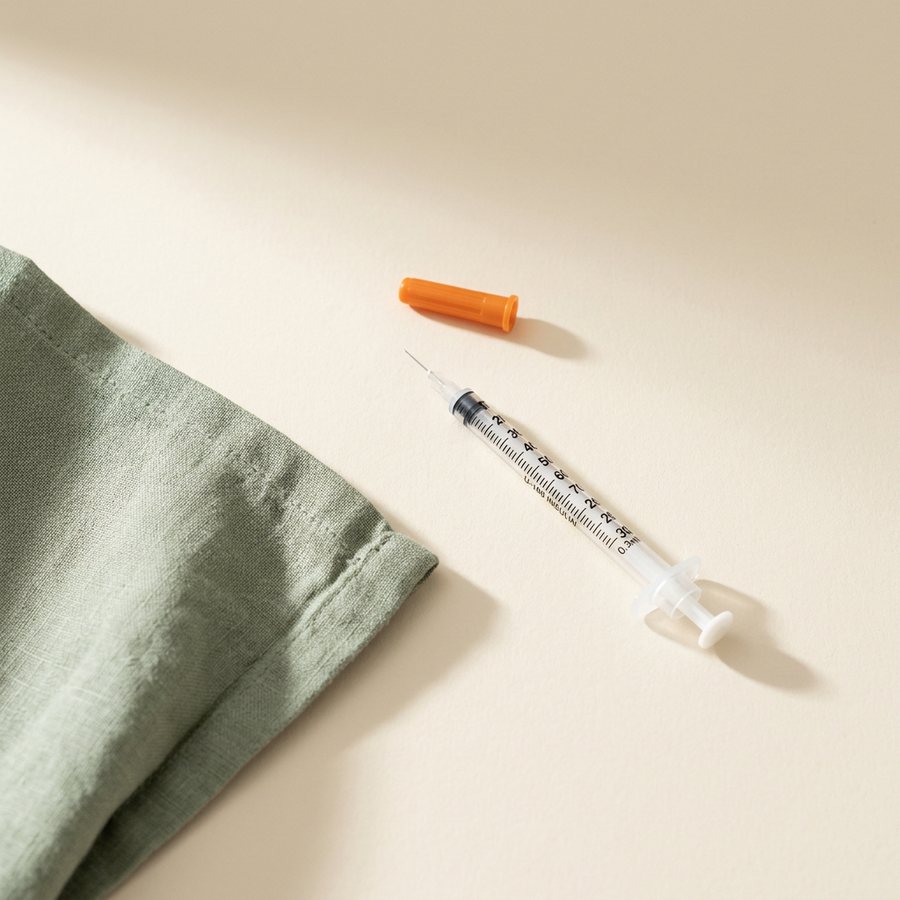
Weekly injection
about 80%
Absorbed from the fat layer. Nothing in the way.
Swallow it: about 1% reaches your blood. Inject it: about 80% does. Same comparison we show on our homepage.
| What you get | PepHaūs prescription | Liposomal capsules and drinks | Grey market vials |
|---|---|---|---|
| Goes straight into your system | Unknown | ||
| Physician licensed in your state | |||
| U.S.-licensed pharmacy | |||
| Tested product, cold shipped | |||
| Provider visit included | |||
| Dose tuned to you |
LegitScript certified
A licensed U.S. pharmacy vs the grey market
PepHaus NAD+ and sermorelin are compounded by a U.S.-licensed pharmacy and prescribed by a U.S.-licensed physician after a health review. Grey market research vials sold online for lab or research use come with no provider oversight, no dose guidance, and no testing for purity or sterility. A licensed pharmacy follows compounding standards and each vial is made for human use under pharmacy regulations. Research vials are labeled not for human consumption and there is no accountability if something goes wrong.
FAQ
FAQ
Which is better for energy, NAD+ or sermorelin?+
NAD+ supports energy directly at the cellular level by helping mitochondria produce ATP. Sermorelin supports energy indirectly by improving sleep quality and recovery, so you wake up more rested. If your energy problem is afternoon fatigue and brain fog, NAD+ usually fits better. If your energy problem is waking up tired because you are not sleeping or recovering well, sermorelin usually fits better.
Can NAD+ and sermorelin be injected at the same time?+
They can be injected on the same day but most providers recommend spacing them out. NAD+ usually goes in the morning or early afternoon and sermorelin goes in the evening before bed. That timing matches how each one works. NAD+ supports daytime cellular energy and sermorelin supports nighttime growth hormone release. Injecting NAD+ subcutaneously at different times from sermorelin keeps the protocol simple and lets each one work when it is supposed to.
Do NAD+ and sermorelin raise testosterone?+
No. NAD+ is a coenzyme that supports cellular energy and does not affect testosterone production. Sermorelin signals the pituitary to release growth hormone, not testosterone. Growth hormone and testosterone are separate hormones with separate pathways. PepHaus does not sell TRT or HGH. If you want testosterone support, that is a different conversation with a provider who prescribes TRT.
How long does it take to feel results from NAD+ vs sermorelin?+
Most people notice NAD+ effects within two weeks, with steadier focus and less afternoon fatigue. By week four, energy feels more consistent throughout the day. Sermorelin usually improves sleep within the first week. Recovery from workouts improves by week two or three. Both take a few weeks to show their full effect because they are supporting natural pathways, not forcing a quick spike.
Is one safer than the other?+
Both NAD+ and sermorelin have been studied and used for years. A provider reviews your health history before prescribing either one to make sure there are no contraindications. The most common NAD+ side effect is temporary redness or warmth at the injection site, which usually goes away within an hour. The most common sermorelin side effect is also injection site redness. Serious side effects are rare with both when a provider sets the dose and monitors how you respond.
Can I switch from one to the other?+
Yes. If you start NAD+ and later decide you want sermorelin instead, or the other way around, you can switch. The provider will review your goals again and adjust the plan. Some people try one for a month or two, see what it does, and then try the other to compare. There is no penalty for switching and no washout period needed between them because they work through different pathways.
Which one supports longevity better?+
NAD+ is studied more directly for longevity because it activates sirtuins and supports mitochondrial health, both of which are tied to how cells age and repair. Sermorelin supports longevity indirectly by improving sleep and recovery, which are part of healthy aging. If longevity is your main goal and you are choosing one, NAD+ is usually the first pick because of how it works at the cellular level. If you want both the cellular support and the recovery support, taking both together covers more bases. You can read more about how NAD+ compares to other supplements to see which form fits your routine. Both are prescribed by a U.S.-licensed physician after a health review and compounded by a U.S.-licensed pharmacy. You can start with a monthly plan, see how it goes, and adjust from there. No membership fees, no doctor fees, and you can cancel anytime.
Start your visit from your phone
Ten minutes on your phone. A physician licensed in your state. A box on your porch in 2 to 3 business days.
See if you qualifyYour care team
Every PepHaus visit is reviewed by a licensed physician from the Wasef Health Group provider network. A doctor reads your intake, decides if treatment fits, and sets your plan.
Meet the physiciansThis article is educational and is not medical advice. Compounded medications are not FDA-approved. Treatment requires evaluation by a licensed provider.