How to Inject TB-500: The Technique Your Provider Teaches
Your provider walks you through subcutaneous injection technique so your first few TB-500 doses feel routine.
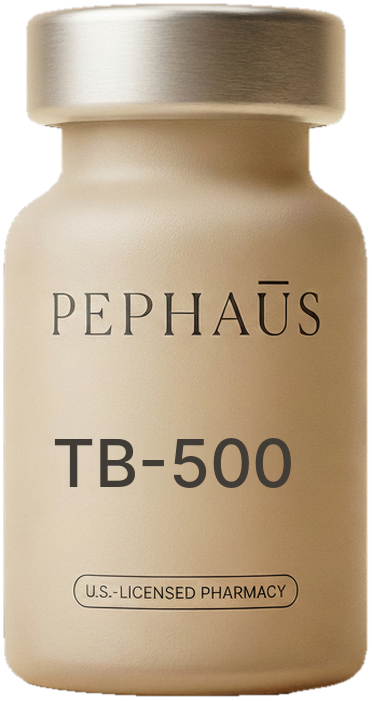
TB-500 injections go subcutaneous, into the fatty layer under the skin. Your provider walks you through the technique during onboarding so your first few doses feel routine. Most people get comfortable with it in a week.
Is this you?
Is this you?
You have TB-500 in hand and want to make sure you do it right. You have questions about where to inject, how deep, when to do it, what rotation means, and whether you can travel with it. You want to know what normal looks like and when to reach out if something feels off. You'd like the injections to fit into your routine without taking over your day. If you nodded at two or three of those, keep reading.
TB-500 injections, prescribed online from $152/mo
A quick at home shot. Provider visit and shipping included. Nothing charged unless you are prescribed.
What the provider teaches you before the first dose
The provider reviews injection technique step by step during your first visit. They show you how to prep the dose, pick a site, pinch the skin, insert the needle at a 45 degree angle, inject slowly, and dispose of the needle. They explain rotation so no single spot gets used too often, and they answer questions about timing, storage, and what to expect. You leave the visit with a clear plan and a number to call if anything comes up.
They also send a written guide you can reference. Some providers offer a follow up call a few days in to check how the first few injections went. If you feel uncertain about any step, reach out before your next dose. The provider would rather walk you through it twice than have you guess.
Step by step injection technique
Wash your hands and lay out your supplies on a clean surface. You need the vial, alcohol wipes, the syringe the provider sent, and a sharps container. Check the vial for the dose the provider set and the expiration date.
Wipe the vial top with an alcohol wipe and let it dry for a few seconds. Draw air into the syringe to match the dose you need, insert the needle through the vial stopper, push the air in, and draw the liquid back slowly. Pull the needle out and check for air bubbles. If you see any, tap the syringe gently and push the plunger until they clear.
Pick your injection site and wipe it with a fresh alcohol wipe. Let the skin dry. Pinch about an inch of skin between your thumb and fingers to lift the fatty layer. Insert the needle at a 45 degree angle in one smooth motion. Push the plunger slowly and steadily until the dose is in. Pull the needle straight out and release the pinch. Press a clean gauze or cotton ball over the site for a few seconds if it bleeds a little.
Drop the used needle and syringe into your sharps container right away. Never recap a used needle. Wash your hands and put the vial back in the fridge.
Ready when you are. Ten minutes on your phone.
Start my online visitWhere to inject and why rotation matters
The provider sets up a rotation plan that spreads injections across multiple sites so no single area gets overused. Common sites are the abdomen at least two inches away from the belly button, the outer thighs, and the back of the upper arms if you can reach comfortably. Some people alternate between abdomen and thighs, others use all three.
Rotation prevents scar tissue buildup and keeps absorption steady. If you inject in the same spot too often, the tissue can harden and absorption can slow. The provider explains which sites to use and how often to switch. Most people find abdomen injections easiest to reach and the least sensitive.
Mark your rotation in a simple way that works for you. Some people use a notes app to track which site they used last, others just remember left side this week and right side next week. If a site feels sore or shows redness, skip it and use a different one. Let the provider know if soreness lasts more than a day.
When to inject during the day
TB-500 timing is flexible. Most providers recommend injecting at the same time each day or every other day, depending on your protocol, so it becomes part of your routine. Some people do it in the morning before breakfast, others before bed. The peptide does not need to be timed around meals or training.
Consistency matters more than the exact hour. If your protocol calls for injections three times a week, spacing them evenly works well. Monday, Wednesday, Friday is common. If you train, some people prefer injecting in the evening so any minor site tenderness does not interfere with their session the next morning.
If you miss a dose by a few hours, take it as soon as you remember. If you miss it by a full day, skip that dose and continue with your next scheduled injection. Do not double up. The provider adjusts the protocol if your schedule shifts or if you travel across time zones.
Gummies and GLP-1 pills are not the same thing
Oral peptides marketed as gummies or pills were never in the clinical trials. Swallow a peptide and about one percent reaches your blood. Inject it subcutaneous and about 80 percent does. That difference matters when the goal is supporting recovery. Injectable TB-500 from a licensed pharmacy comes with a provider who reviews your health history and sets your dose. The grey market sells research vials with no provider and no testing.
Storing TB-500 and traveling with it
TB-500 ships cold packed and goes into the fridge as soon as it arrives. The provider specifies whether the vial stays stable at room temperature for a day or two if you forget, and most do, but keeping it refrigerated between doses is the standard. Do not freeze it. Keep it in the original vial and away from light.
For travel, a small insulated bag with an ice pack works for short trips. Some people use a medication cooler designed for injectables. If you fly, keep the vial in your carry on with a copy of your prescription or the provider's letter. TSA allows syringes and injectable medications. Check the rules for your destination country if you travel internationally, and confirm storage options at your hotel.
If you will be away from refrigeration for more than a day, call the provider before you leave. They can advise on stability and whether you need a replacement vial when you return.
LegitScript certified
A licensed U.S. pharmacy vs the grey market
Compounded TB-500 from a licensed U.S. pharmacy comes with a provider review, testing for purity, and a clear protocol. The grey market sells research vials labeled not for human use with no provider, no dosing guidance, and no way to verify what is in the vial. In October 2026, the FDA granted enforcement discretion letting licensed 503A compounding pharmacies compound TB-500 after the July 2026 advisory committee vote. The compounded version from a pharmacy is not the same as the research vials sold online.
If you compete in a tested sport, check your league's prohibited list before starting. Some organizations restrict peptides.
FAQ
FAQ
How long does it take to feel comfortable with injections?+
Most people feel confident by the third or fourth injection. The first one feels like a big step, the second one is easier, and by the end of the first week it becomes routine. The provider is available if you need a refresher or have questions about technique.
Can I inject through clothing or do I need to expose the site?+
Expose the site so you can clean it with an alcohol wipe and see where the needle goes. Injecting through fabric increases infection risk and makes it harder to aim. Find a private spot where you can lift your shirt or roll up a pant leg comfortably.
What if the injection site bleeds or bruises?+
A small amount of bleeding is normal and stops within a few seconds. Press a clean gauze or cotton ball over the site. Bruising happens occasionally, especially if you hit a tiny blood vessel. It clears on its own in a few days. If bleeding does not stop after a minute or if a bruise spreads quickly, contact the provider.
Can I reuse a needle if I run out?+
No. Each needle is sterile and single use. Reusing a needle increases infection risk and dulls the tip, making the next injection more painful. If you run low on supplies, contact the provider for a refill before you run out.
How do I dispose of used needles safely?+
Drop them into a sharps container immediately after use. You can buy one at a pharmacy or use a heavy plastic detergent bottle with a screw top. When the container is three quarters full, seal it and check your local regulations for disposal. Many pharmacies and hospitals have sharps disposal programs.
What should I do if I inject into muscle instead of fat?+
Muscle injections can cause more soreness and faster absorption. If you realize you went too deep, finish the dose and make a note. Contact the provider if the site feels unusually sore or swells. For the next injection, pinch more skin and aim for a shallower angle. The provider can walk you through the adjustment.
Can I take TB-500 with BPC-157 in the same injection?+
Some providers set protocols that include both peptides. Whether they go in the same syringe or separate injections depends on the provider's guidance and the formulation. Do not mix vials yourself. Ask the provider before combining anything.
What if I feel lightheaded after injecting?+
Sit down and take a few deep breaths. Lightheadedness right after an injection is often a stress response, not the peptide itself. It passes in a minute or two. If it happens more than once, let the provider know. They can review your technique and check whether adjusting the injection speed helps.
Start your visit from your phone
Ten minutes on your phone. A physician licensed in your state. A box on your porch in 2 to 3 business days.
See if you qualifyYour care team
Every PepHaus visit is reviewed by a licensed physician from the Wasef Health Group provider network. A doctor reads your intake, decides if treatment fits, and sets your plan.
Meet the physiciansThis article is educational and is not medical advice. Compounded medications are not FDA-approved. Treatment requires evaluation by a licensed provider.