BPC-157 Results Timeline: What to Expect Week by Week
Most people start noticing steadier energy during workouts within two to four weeks on BPC-157, with recovery between sessions getting shorter by week three.
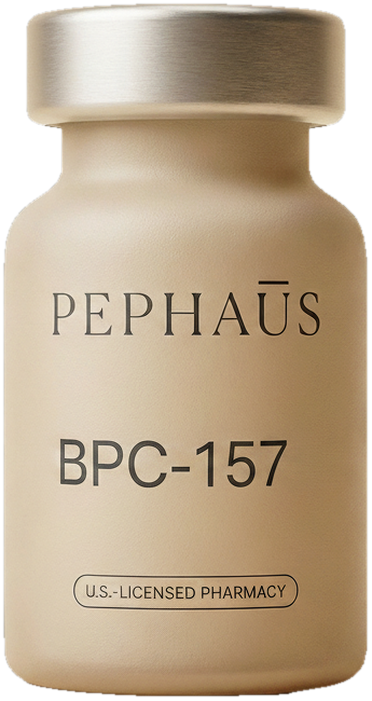
Most people start noticing steadier energy during workouts within the first two weeks on BPC-157, and many report feeling more ready for their next session by week three or four. The timeline is not the same for everyone because your starting point, training load and how the provider adjusts your dose all matter, but this is what a typical month on BPC-157 looks like, what the provider checks along the way, and when most people feel like the protocol is working.
Is this you?
Is this you?
You train hard but need longer to bounce back between sessions. You are sore for days after leg day or a long run, and that slower recovery is keeping you from training the way you want. You have heard about peptides for recovery but the grey market research vials feel sketchy, and you want something compounded by a licensed U.S. pharmacy after a provider visit. You are willing to inject a few times a week if it helps you train more often. You want to know what week one, week three and week six actually look like, not just that it supports recovery. If you nodded at two or three of those, keep reading.
BPC-157 injections, prescribed online from $152/mo
A quick at home shot. Provider visit and shipping included. Nothing charged unless you are prescribed.
What BPC-157 is and why the timeline varies
BPC-157 is a 15 amino acid peptide originally identified from a protein in human gastric juice. Most published research on BPC-157 comes from lab and animal studies, which is why a U.S.-licensed provider reviews your health history and sets your dose before the pharmacy compounds it. The body of research is early for humans, and that means the provider starts you at a conservative dose and adjusts based on what you report. Some people notice they are bouncing back faster within the first two weeks, others around week four, and a few take six weeks before they feel a difference. Training intensity, sleep, protein intake and the dose schedule the provider sets all shape the timeline. The protocol pairs with the recovery habits you already follow, it does not replace them.
Week one through two: what most people notice first
The first week on BPC-157 is usually quiet. You inject on the schedule the provider gave you, most often every other day or a few times a week, and you keep training as usual. Some people report feeling a little more ready to train by the end of week one, but that is not universal. The provider checks in around day ten to see how you are tolerating the injections and whether anything feels off. No side effects for most people means the protocol is working as expected, and the provider keeps the dose steady or adjusts it slightly upward. By the end of week two, many people say their legs or shoulders feel less heavy the day after a hard session, and that steadier energy is what makes them notice the peptide is doing something. A normal first two weeks is not dramatic, it is subtle and you are still figuring out how your body responds.
Ready when you are. Ten minutes on your phone.
Start my online visitWeek three through four: recovery between sessions gets shorter
Week three is when many people report the protocol starting to feel worth it. You finish a heavy squat session or a long run, and instead of needing three days before you can train that muscle group again, you feel ready in two. The soreness is still there, it just does not linger as long. The provider checks in again around week three or four to see if the dose is landing right. If you are noticing faster bounce back, the provider usually keeps the dose where it is. If you are not feeling much yet, the provider may step it up slightly or adjust the injection frequency. This is also the stretch where people who train five or six days a week start to notice they can sustain that schedule without feeling ground down. BPC-157 supports the body's natural repair process, and when that process is working better, training frequency goes up without the constant fatigue. Most people stay at the dose they reach by week four for the rest of the protocol.
Week six through eight: the protocol becomes routine
By week six, the protocol is part of your routine and most people report they can train harder and more often without the same recovery cost. You know when to inject, how to rotate sites and what a normal week feels like on the peptide. The provider checks in again around week eight to see if anything has shifted or if the dose needs another adjustment, but most people stay steady by this point. Some people run BPC-157 for three months, others for six, and a few cycle it around training blocks or competitions. The provider decides the length based on your goals and how you are responding. People who compete in a tested sport should check their league's prohibited list first, because BPC-157 may show up on some.
What the provider checks before prescribing and during the protocol
The provider reviews your health history, current medications and any conditions that could make BPC-157 a poor fit. The provider also asks about training load, recovery habits and what you are trying to get out of the protocol. BPC-157 is not a shortcut, it pairs with the recovery work you are already doing. If you are not sleeping enough or eating enough protein, the peptide is not going to fix that. The provider sets the starting dose based on your body weight and goals, and most protocols run a few small injections per week. During the protocol, the provider checks in around week two, week four and week eight to see how you are tolerating it and whether the dose needs to change. Most people stay at the same dose once they find what works. The provider also watches for any side effects, which are rare, and adjusts the protocol if anything comes up.
What it costs
BPC-157 from PepHaus is $169 a month on the monthly plan, $160 a month if you prepay quarterly, and $152 a month on the six month plan. That price includes the provider visit, the compounded peptide shipped cold to your door, and all follow up visits. No doctor fees, no surprise charges. The provider is licensed in your state, the pharmacy is a licensed 503A U.S. compounding pharmacy, and the peptide is prescribed after the provider reviews your health history. You can see pricing and start the visit at https://thepephaus.com/bpc-157, and if you want to see how BPC-157 fits with other recovery peptides, the recovery collection page compares it to TB-500 and MOTS-c.
LegitScript certified
A licensed U.S. pharmacy vs the grey market
The grey market is overseas research vials sold with no provider, no pharmacy and no testing. Those vials are labeled for research use only, and there is no way to know what is actually in them. When you get BPC-157 through a U.S.-licensed provider and a licensed 503A compounding pharmacy, the peptide is compounded under the same quality standards as any prescription, the provider sets the dose based on your health history, and you have someone to call if anything feels off. In October 2026, the FDA granted enforcement discretion letting licensed 503A compounding pharmacies compound BPC-157, TB-500 and a few other peptides after an advisory committee vote. That does not mean the compounded versions are FDA approved, it means licensed pharmacies can compound them while the FDA works through the regulatory process. A grey market vial is not compounded by a pharmacy, not prescribed by a provider, and carries none of those protections.
FAQ
FAQ
How long does it take for BPC-157 to start working?+
Most people notice steadier energy and shorter recovery times between workouts within two to four weeks. Some people feel a difference in the first two weeks, others take six weeks. The timeline depends on your training load, the dose your provider sets, and how your body responds.
Can you take BPC-157 and TB-500 together?+
Many people run both peptides together because they work through different pathways. BPC-157 supports the body's natural repair process, and TB-500 supports tissue repair and cell movement. The provider sets the dose and schedule for both if you decide to run them together. You can read more about taking BPC-157 and TB-500 together .
What is a normal BPC-157 protocol length?+
Most protocols run three to six months. Some people cycle it around training blocks or competitions, others run it continuously if they train year round. The provider decides the length based on your goals and how you are responding.
Does BPC-157 have side effects?+
Side effects are rare. The most common issue is mild irritation at the injection site, which goes away on its own. The provider checks in around week two, week four and week eight to make sure you are tolerating the protocol well, and adjusts if anything comes up. You can see the full side effects breakdown in the BPC-157 side effects guide .
How do you inject BPC-157?+
BPC-157 is injected subcutaneously, usually in the abdomen or thigh. You rotate sites with each injection so the same spot does not get overused. The provider walks you through the injection technique before the first dose, and most people get comfortable with it within the first week. The BPC-157 injection guide has step-by-step instructions.
Is BPC-157 legal to get from a pharmacy?+
In October 2026, the FDA granted enforcement discretion letting licensed 503A compounding pharmacies compound BPC-157. That means a licensed pharmacy can compound it after a provider prescribes it, and the provider reviews your health history before writing the prescription. The compounded version is not FDA approved, but it is legal for a licensed pharmacy to compound.
Can you use BPC-157 for workout recovery?+
BPC-157 supports recovery from training, and many people use it to bounce back faster between sessions. It pairs with the recovery habits you already follow, like enough sleep, enough protein, and smart training periodization. The provider sets the dose based on your training load and goals, and most people report they can train harder and more often without the same recovery cost. The BPC-157 for workout recovery guide covers what a normal month looks like. Individual results vary, and the timeline above is what most people report, not a guarantee. The protocol works best when you are sleeping enough, eating enough protein, and training smart. If you are ready to see what a few months on BPC-157 feels like, the provider visit takes about ten minutes and the peptide ships within a few days.
Start your visit from your phone
Ten minutes on your phone. A physician licensed in your state. A box on your porch in 2 to 3 business days.
See if you qualifyYour care team
Every PepHaus visit is reviewed by a licensed physician from the Wasef Health Group provider network. A doctor reads your intake, decides if treatment fits, and sets your plan.
Meet the physiciansThis article is educational and is not medical advice. Compounded medications are not FDA-approved. Treatment requires evaluation by a licensed provider.