BPC-157 Morning or Night? When to Inject for Best Results
Take BPC-157 when it fits your routine, consistency matters more than the exact time.
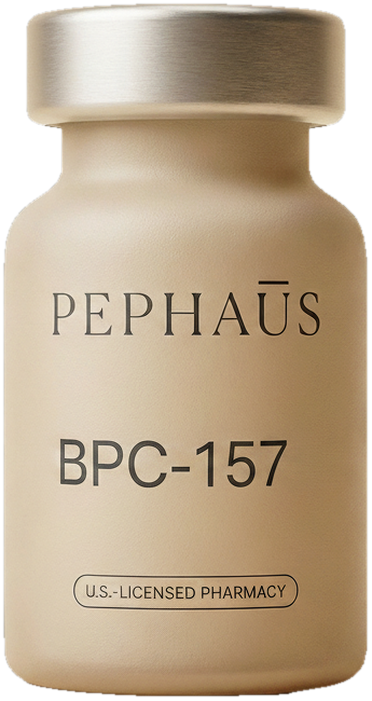
Is this you?
Is this you?
You heard BPC-157 can support recovery and you are set to start, but now you are looking at the vial wondering when to inject it. You want to know:
If you nodded at two or three of those, keep reading.
Does timing matter for how well it works
Morning shots versus night shots, which one most people choose
If you should take it before or after workouts
Whether it matters if you eat first
How a provider sets the schedule
What happens if you miss a dose
BPC-157 injections, prescribed online from $152/mo
A quick at home shot. Provider visit and shipping included. Nothing charged unless you are prescribed.
BPC-157 timing depends on your schedule and what the provider recommends
BPC-157 is a 15 amino acid peptide originally identified from a protein in human gastric juice. Compounded pharmacies prepare it as an injection you give yourself a few times a week, and the provider who prescribes it sets your dose and schedule based on your health history.
Most people take BPC-157 in the morning or evening, whichever fits their routine better. There is no single best time that works for everyone. The peptide stays active in your body for hours after you inject it, so the goal is consistency, not a specific clock time.
Some people prefer morning injections because they can build it into their routine right after they wake up, before coffee or breakfast. Others choose evening injections because they have more time at night and find it easier to remember.
Many people who train choose to inject about 30 minutes before their workout or in the evening after training. The peptide supports the body's natural repair process, and pairing it with training, sleep and protein is part of how people use it.
Your provider will tell you how many times a week to inject and whether to space the doses evenly or cluster them around certain activities. Most protocols call for small subcutaneous injections two to four times a week. The provider adjusts the schedule if needed based on how you respond.
What timing factors matter
The most important timing factor is consistency. Taking BPC-157 at the same time each day or on the same days each week helps you remember and keeps the levels steady in your body.
You do not need to take it on an empty stomach, and you do not need to avoid food before or after. Some people inject first thing in the morning before eating, and others inject with food in their system. Both approaches work.
If you work out, many people time their injection so it lands about 30 minutes to an hour before training. Others inject right after a workout or later that evening. The provider can tell you what schedule makes sense for your routine.
Sleep matters more than injection timing. BPC-157 supports recovery, and recovery happens when you sleep. Steady sleep, enough protein and consistent training make a bigger difference than whether you inject at 7 AM or 9 PM.
If you miss a dose, you do not need to double up the next time. Just take the next scheduled dose and keep going.
Ready when you are. Ten minutes on your phone.
Start my online visitHow a provider sets your BPC-157 schedule
When you start BPC-157 through a licensed U.S. pharmacy, a U.S.-licensed physician reviews your health history, asks about your activity level and recovery goals, and checks for any conditions that would make the peptide a poor fit.
The provider sets your dose in micrograms and tells you how many times a week to inject. A common schedule is two to four times a week, with doses spaced a few days apart. Some people start with a higher frequency for the first few weeks and then move to a maintenance schedule.
You get the BPC-157 vial, alcohol swabs, syringes and needles shipped to your address in a cold pack. The provider explains how to reconstitute the powder if it arrives that way, how to draw the dose, and where to inject it. Most people use the abdomen, thigh or upper arm for subcutaneous injections.
The provider checks in after a few weeks to see how you are responding, whether you are noticing anything, and whether the schedule is working for your routine. If the timing is hard to stick with, the provider can change the plan.
Most published research on BPC-157 comes from lab and animal studies, which is why a provider reviews your health history and sets your dose. Human research is early, so working with a provider who knows your situation is part of how this works safely.
Storage and handling BPC-157 at home
BPC-157 arrives in a cold pack and should be stored in your refrigerator once it gets to you. The peptide stays stable in the fridge between injections.
You can take the vial out of the fridge, let it come to room temperature for a few minutes, draw your dose, inject it, and put the vial back. Some people keep it out for five or ten minutes before injecting, and others draw the dose cold. Both work.
If you travel, bring the vial in a small cooler with an ice pack. It does not need to stay frozen, just cool. Many people travel with their BPC-157 for a weekend or a week without trouble.
Do not leave the vial out on the counter for hours or in a hot car. Heat can break down the peptide.
BPC-157 and TB-500 together
Some people take BPC-157 and TB-500 together because the two peptides support recovery in different ways. BPC-157 is a gastric peptide and TB-500 is a synthetic version of thymosin beta-4, a protein involved in cell movement and tissue repair.
If you use both, the provider sets separate schedules for each one. Some people inject both on the same days and others alternate. The timing flexibility is the same: morning or evening, around workouts or not, whichever fits your routine.
Taking them together costs more because you are paying for two monthly plans. BPC-157 is $169 a month billed monthly, $160 a month on a quarterly plan, and $152 a month on a six month plan. TB-500 is the same price. If you want both, that is $338 a month billed monthly or $304 a month on six month plans for both. The provider visit and shipping are included, and there is never a separate doctor fee.
Gummies and GLP-1 pills are not the same thing
You cannot get BPC-157 as a gummy or a pill. It breaks down in your stomach if you swallow it. Injectable BPC-157 compounded by a U.S.-licensed pharmacy after a provider review is what works.
Some online sellers offer oral BPC-157 capsules or tablets, but those are research products, not prescriptions, and there is no evidence they work the way an injection does.
LegitScript certified
A licensed U.S. pharmacy vs the grey market
BPC-157 you get from a licensed 503A compounding pharmacy comes with a provider review, a prescription, pharmacy oversight, and a dose set for you. You know what is in the vial, how much to take, and how to handle it.
The grey market sells BPC-157 as research vials, often from overseas, with no provider, no prescription, and no testing. You do not know the purity, the dose, or whether what is in the vial matches the label. Some research vials are mislabeled or contaminated.
In October 2026, the FDA granted enforcement discretion allowing licensed 503A compounding pharmacies to compound BPC-157 after the July 2026 advisory committee vote. That means a licensed U.S. pharmacy can legally compound it for you with a prescription. Research vials are not FDA approved and are sold for research use only, not for human injection.
If you are a tested athlete, check your league's prohibited substance list before starting BPC-157. Some sports organizations ban it.
What it costs
BPC-157 from PepHaus is $169 a month billed monthly, $160 a month on a quarterly plan, or $152 a month on a six month plan. That includes the provider visit, the peptide compounded by a U.S.-licensed pharmacy, syringes, alcohol swabs, and free expedited shipping. There is never a separate doctor fee, and you can cancel anytime.
Start your BPC-157 plan here or browse the full recovery peptides collection.
FAQ
FAQ
Can I take BPC-157 at different times each day?+
Yes, but consistency helps you remember and keeps the levels steadier. If your schedule changes day to day, pick a window like morning or evening and aim for that.
Should I inject BPC-157 before or after I work out?+
Many people inject about 30 minutes to an hour before training, and others inject after or later that evening. The provider can tell you what fits your goals. Pairing it with training, sleep and protein is part of how people use it.
Do I need to refrigerate BPC-157 between doses?+
Yes, store the vial in the refrigerator. You can take it out to inject and put it back. It does not need to stay frozen, just cool.
What happens if I miss a dose of BPC-157?+
Take the next scheduled dose and keep going. Do not double up. If you are missing doses often, the provider can help you find a schedule that works better.
How long does it take to notice anything from BPC-157?+
That varies by person and what you are using it for. Some people report noticing steadier recovery within a few weeks, and others take longer. The provider checks in after a few weeks to see how you are responding. Individual results vary.
Can I take BPC-157 with food or do I need an empty stomach?+
You can take it with or without food. Some people inject before eating and others inject after. Both work.
Is BPC-157 legal to use in the U.S.?+
Yes, when compounded by a licensed 503A pharmacy with a prescription. In October 2026 the FDA granted enforcement discretion for BPC-157, which means licensed pharmacies can legally compound it. It is not FDA approved, but it is legal to compound and prescribe. Research vials sold online are not the same thing. BPC-157 timing is flexible. Morning or evening, before or after workouts, with or without food, all of those work. The provider sets your schedule based on your health history and routine, and you can adjust it if the timing is hard to stick with. Consistency matters more than the exact clock time, and pairing it with sleep, training and protein is part of the protocol. If you are set to start, a licensed U.S. pharmacy and provider can set you up with a plan that fits your life.
Start your visit from your phone
Ten minutes on your phone. A physician licensed in your state. A box on your porch in 2 to 3 business days.
See if you qualifyYour care team
Every PepHaus visit is reviewed by a licensed physician from the Wasef Health Group provider network. A doctor reads your intake, decides if treatment fits, and sets your plan.
Meet the physiciansThis article is educational and is not medical advice. Compounded medications are not FDA-approved. Treatment requires evaluation by a licensed provider.