Can You Take BPC-157 and TB-500 Together? What You Need to Know
Many people use BPC-157 and TB-500 together because they support recovery through different mechanisms.
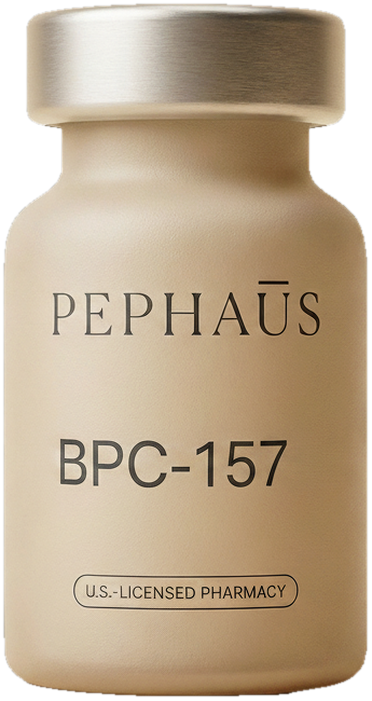
Can you take BPC-157 and TB-500 at the same time? Yes, many people use them together because they work through different pathways that support the body's natural repair process. A licensed provider sets your dose and schedule for each one based on your health history and recovery goals.
Is this you?
Is this you?
If you nodded at two or three of those, keep reading.
You train hard and want to support recovery between sessions
You've heard people talk about pairing these peptides but don't know if it's safe
You want to understand how they differ before starting either one
You're curious whether combining them does more than taking just one
You've seen them mentioned together online and want the real story
You'd rather work with a licensed U.S. provider than order research vials
You want compounded peptides from a pharmacy, not grey market products
BPC-157 injections, prescribed online from $152/mo
A quick at home shot. Provider visit and shipping included. Nothing charged unless you are prescribed.
How BPC-157 and TB-500 work differently
BPC-157 is a 15 amino acid peptide originally identified from a protein in human gastric juice. TB-500 is a synthetic version of the active region of thymosin beta-4, a protein your body makes that is involved in cell movement and tissue repair. Most of the research so far comes from lab and animal studies, which is why a provider reviews your health history and sets your dose.
BPC-157 has been studied for how it may support the body's repair signals after tissue stress. TB-500 research focuses on cell migration and how cells move to areas that need support during recovery. In animal research, TB-500 showed activity in tissue organization, while BPC-157 research looked at blood vessel formation and inflammation response. When you use them together, you're working with two peptides that act on different parts of the recovery process.
A provider who prescribes both will set separate doses and schedules for each, adjusted to your goals and how you respond.
What a provider checks before prescribing both
When you request both peptides, a licensed physician reviews your health history, current medications, and recovery goals. They look for anything that would make either peptide inappropriate, such as active cancer or medications that affect healing. The provider also wants to know what you're recovering from, how often you train, and whether you've used peptides before.
The initial prescription usually starts conservatively. Many providers begin with BPC-157 alone for the first few weeks to see how you respond, then add TB-500. Others prescribe both from the start at lower doses. Your provider sets the dose for each peptide independently. A compounding pharmacy licensed in your state fills the prescription and ships both vials with syringes, alcohol wipes, and dosing instructions.
Ready when you are. Ten minutes on your phone.
Start my online visitHow the protocol usually works
Most people inject BPC-157 and TB-500 subcutaneously, into the fatty tissue of your abdomen, thigh, or upper arm. Each peptide comes in its own vial. You reconstitute each one with bacteriostatic water, draw your dose into a syringe, and inject. The injections can be given at the same time or at different times of day.
A typical schedule might look like this. BPC-157 once or twice a day, every day. TB-500 a few times a week during the loading phase, then once or twice a week during maintenance. Some people inject BPC-157 in the morning and TB-500 in the evening. The timing matters less than consistency, and your provider will tell you what schedule to follow.
Both peptides need to be stored in the refrigerator after reconstitution. Once you add the bacteriostatic water, they go in the fridge. Most reconstituted vials stay stable for several weeks when stored properly.
What people report and how long it takes
Some people report feeling like they recover faster from training within the first two weeks on BPC-157. TB-500 effects often take longer, with many people saying they notice improved flexibility or less stiffness after four to six weeks. When you use both together, the BPC-157 effects may show up first, followed by the TB-500 benefits as you stay consistent.
Published animal research on both peptides showed tissue repair activity within days to weeks, depending on the injury model. Human experience aligns with those timelines. Expect to stay on the protocol for at least eight to twelve weeks before deciding whether it's working for you.
People who train regularly often report that they can increase training volume without the usual next day soreness. Others say they notice better range of motion in joints that used to feel tight. Your provider will ask what you're noticing at each check in and adjust your doses if needed.
Side effects and what the provider does about them
Both peptides are well tolerated. The most common side effect is injection site soreness, redness, or a small bump where you injected. This usually resolves within a day. If it persists, your provider may suggest rotating injection sites more frequently.
Some people report feeling more tired than usual in the first week or two, especially with TB-500. This often improves as your body adjusts. If fatigue continues, your provider might lower the dose or space the injections further apart. Headaches are another occasional side effect, more common with TB-500 than BPC-157. Staying hydrated and starting at a lower dose can help.
One important note for tested athletes. If you compete in a sport that tests for banned substances, check your league's prohibited list before starting either peptide.
Gummies and GLP-1 pills are not the same thing
BPC-157 and TB-500 are only effective as injections. You may see oral or nasal spray versions sold online, but those are not what PepHaus sells. Injectable peptides reach your bloodstream directly. Oral forms have to survive your stomach acid, and most of the peptide breaks down before it can be absorbed. Research on both peptides has been conducted almost exclusively with injected forms.
What it costs
BPC-157 and TB-500 are each $169 a month when you pay monthly, $160 a month on a quarterly subscription, or $152 a month on a six month subscription. The provider visit and shipping are included. There's no separate doctor fee. You can cancel anytime. If you use both together, you pay for both subscriptions.
For context, that's about the same monthly cost as a massage therapist visit or a month of high end supplements. Many people find that the recovery support justifies the cost, especially if it means they can train consistently. Learn more about BPC-157 pricing or TB-500 pricing, or visit the recovery peptides page to compare them.
LegitScript certified
A licensed U.S. pharmacy vs the grey market
When you order from PepHaus, you get peptides compounded by a U.S.-licensed pharmacy after a prescription from a U.S.-licensed physician. The pharmacy follows FDA guidelines for compounding sterile injectables, and every batch is tested for purity and sterility. You have a provider monitoring your progress.
Grey market peptides are sold as research chemicals, often shipped from overseas, with no prescription required. There's no guarantee of purity, sterility, or even that the vial contains what the label says. Some grey market vials are contaminated with bacteria. Others have degraded during shipping. You're injecting something into your body with no oversight and no recourse if something goes wrong.
The legal status of BPC-157 and TB-500 changed in October 2026 when the FDA granted enforcement discretion, allowing licensed 503A compounding pharmacies to compound them. The version you get from PepHaus is compounded legally under pharmacy oversight, not sold as a research chemical.
FAQ
FAQ
Can I start both BPC-157 and TB-500 at the same time?+
Yes, but many providers prefer to start one first, see how you respond, and then add the second. This makes it easier to identify which peptide is causing any side effects. Some providers do prescribe both from day one at lower starting doses.
Do BPC-157 and TB-500 need to be injected at the same time?+
No. You can inject them at different times of day if that fits your schedule better. The important thing is consistency, not timing.
How long should I stay on both peptides?+
Most people use them together for at least eight to twelve weeks to see full benefits. Some stay on both long term for ongoing recovery support. Your provider will discuss the right timeline based on your goals.
Can I use BPC-157 and TB-500 while taking other supplements?+
Most supplements are fine to continue. Tell your provider about everything you take, including protein powders, creatine, vitamins, and any other peptides or medications. They'll flag anything that could interact.
Is it safe to use both peptides together long term?+
Published research on long term use of both peptides together in humans is limited. Providers recommend periodic check ins to assess how you're responding. Some people stay on both for months without issues.
Do I need to take breaks from BPC-157 and TB-500?+
Some providers recommend cycling off periodically to assess whether you still need the peptides. Others are comfortable with continuous use as long as you're tolerating them well. Your provider will guide you based on your response.
What if I only want to use one instead of both?+
That's perfectly fine. Many people use BPC-157 alone or TB-500 alone and see good results. Using both together is an option, not a requirement. Your provider can help you decide which one to start with. If you're ready to see whether BPC-157 and TB-500 together can support your recovery, visit BPC-157 or TB-500 to start your provider visit. Both peptides are compounded by a U.S.-licensed pharmacy and prescribed by a U.S.-licensed physician after reviewing your health history.
Start your visit from your phone
Ten minutes on your phone. A physician licensed in your state. A box on your porch in 2 to 3 business days.
See if you qualifyYour care team
Every PepHaus visit is reviewed by a licensed physician from the Wasef Health Group provider network. A doctor reads your intake, decides if treatment fits, and sets your plan.
Meet the physiciansThis article is educational and is not medical advice. Compounded medications are not FDA-approved. Treatment requires evaluation by a licensed provider.