Tirzepatide Results 3 Months: What to Expect by the End of Your First Quarter
By the 3 month mark appetite is lower, food noise is quieter, and most people are on 7.5mg or 10mg losing steadily.
Is this you?
Is this you?
You started tirzepatide and want to know what 3 months looks like:
If you nodded at two or three of those, keep reading.
You are finishing month 2 and wondering if what you are noticing is normal
You want to know how much people lose by month 3
You are deciding whether to start and want to see the whole first quarter mapped out
Food still sounds good and you are wondering when appetite shifts
You are stepping up doses week by week and want to see what happens at each one
Side effects came and went and you are wondering what month 3 brings
Your provider mentioned the 3 month check and you want to know what they look for
Compounded tirzepatide, prescribed online from $215/mo
One weekly shot. Provider visit and cold shipping included. Nothing charged unless you are prescribed.
See your yearly and weekly costWhat 3 months on tirzepatide looks like
By month 3 most people have worked up to the 7.5mg or 10mg dose and noticed a clear shift in how food sounds. Appetite is lower, portions are smaller without trying, and food noise has pulled back. The scale shows steady progress, and your provider has checked in at least once to see how the dose is working and whether side effects settled. At the 3 month mark you are past the starting phase and into the rhythm of the treatment.
In clinical trials people on tirzepatide lost about 20 percent of their starting weight on average across the full course of treatment, and by month 3 most of that early momentum is visible. Your provider watches how your body responds and adjusts the dose so you keep losing while side effects stay manageable.
How the dose steps up to month 3
Tirzepatide starts at 2.5mg for the first month. That dose introduces the medication and lets your stomach adjust. Some people notice appetite pull back right away, others feel a mild shift and nothing dramatic yet. Nausea can show up in the first week or two, usually mild and gone by week 3.
At week 5 the dose steps to 5mg. This is where most people notice appetite shift more clearly. Portions get smaller, seconds stop sounding good, and eating past full loses its pull. Nausea can return for a few days when the dose goes up, then settle again. Your provider checks in around this time to see how the 5mg feels and whether anything needs adjusting.
By week 9 or 10 you step to 7.5mg. At this dose food noise is usually much quieter and weight loss is steady. Some people stay here for a while, others step to 10mg at week 13 depending on how the 7.5mg is working. Your provider decides based on your progress and how you feel. The goal is to find the dose that keeps you losing without side effects taking over.
Month 3 ends with you on 7.5mg or 10mg, past the starting doses, and settled into the routine of one shot a week. By this point you know what day works best, which injection site feels easiest, and how to handle the box when it arrives.
Ready when you are. Ten minutes on your phone.
Start my online visitWhat the provider checks along the way
Your provider checks in around week 5 or 6, then again around month 3. They ask how appetite feels, whether nausea or other side effects showed up and how long they lasted, and how the scale is moving. They also ask about energy, digestion, and whether anything feels off.
If nausea stuck around past the first few days at a new dose, the provider can slow the step up schedule or suggest taking the shot at night so nausea happens while you sleep. If the appetite shift feels too strong and eating enough protein is hard, they can hold the dose where it is instead of stepping up. If progress stalls they look at whether a dose increase makes sense or whether something else is slowing things down.
By month 3 the provider also checks whether the dose you are on is the right one to stay at for a while or whether stepping to 12.5mg or 15mg later makes sense. That decision comes from how you are responding, not a fixed schedule.
What eating looks like at 3 months
At 3 months most people are eating smaller portions and noticing that food sounds different. A meal that used to feel normal now feels like too much halfway through. Snacking between meals loses its pull. The noise around food, the constant thinking about what to eat next, pulls back.
Protein matters more now because portions are smaller and you need to get enough to hold onto muscle while losing weight. Your provider will suggest aiming for 20 to 30 grams of protein per meal. That looks like a palm sized piece of chicken, a couple of eggs, Greek yogurt, or a protein shake if solid food does not sound good. Pairing protein with training keeps muscle from dropping as the weight comes off.
Hydration stays important. Nausea makes it easy to skip water, and dehydration makes nausea worse. Keep a water bottle nearby and sip through the day even when you are not thirsty.
The real thing vs the rest
Gummies and GLP-1 pills are not the same thing
GLP-1 pills and gummies are sold in the aisle and online but they were never in the clinical trials. When you swallow a GLP-1, your stomach breaks most of it down and about 1 percent reaches your blood. When you inject it, about 80 percent does. That difference is why the trials showed results with injections and not with pills.
Injectable tirzepatide showed about 20 percent average body weight loss in clinical trials. Injectable semaglutide showed about 15 percent. Pills and gummies sold without a prescription are not the same medication and were not part of those studies.
The real thing vs the rest
A gummy cannot do this. Not even close.
Weight loss gummies, so called GLP-1 pills and liposomal drops sold on social media were never in the clinical trials. Injectable tirzepatide and semaglutide were. Overseas research-only vials have no pharmacy and no physician behind them.

Weight loss gummies
0 mg
No GLP-1 medication inside. Fiber and plant extracts.
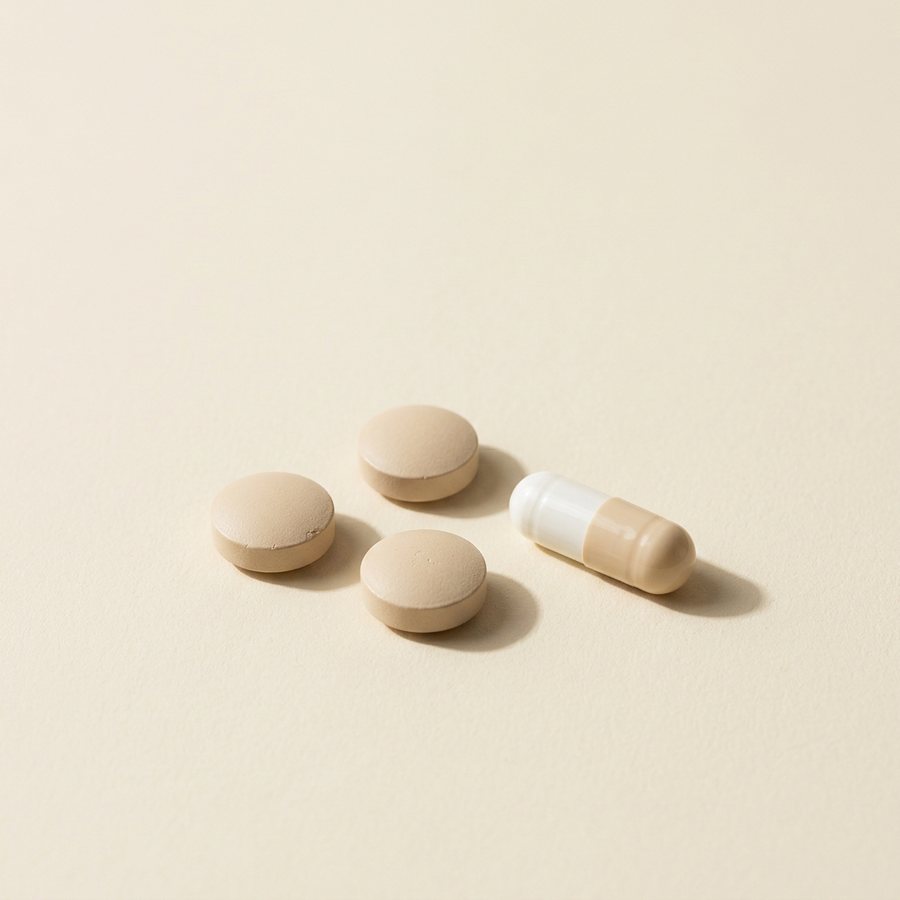
Pills and drops
about 1%
Swallow it and about 1 of every 100 units reaches your blood.
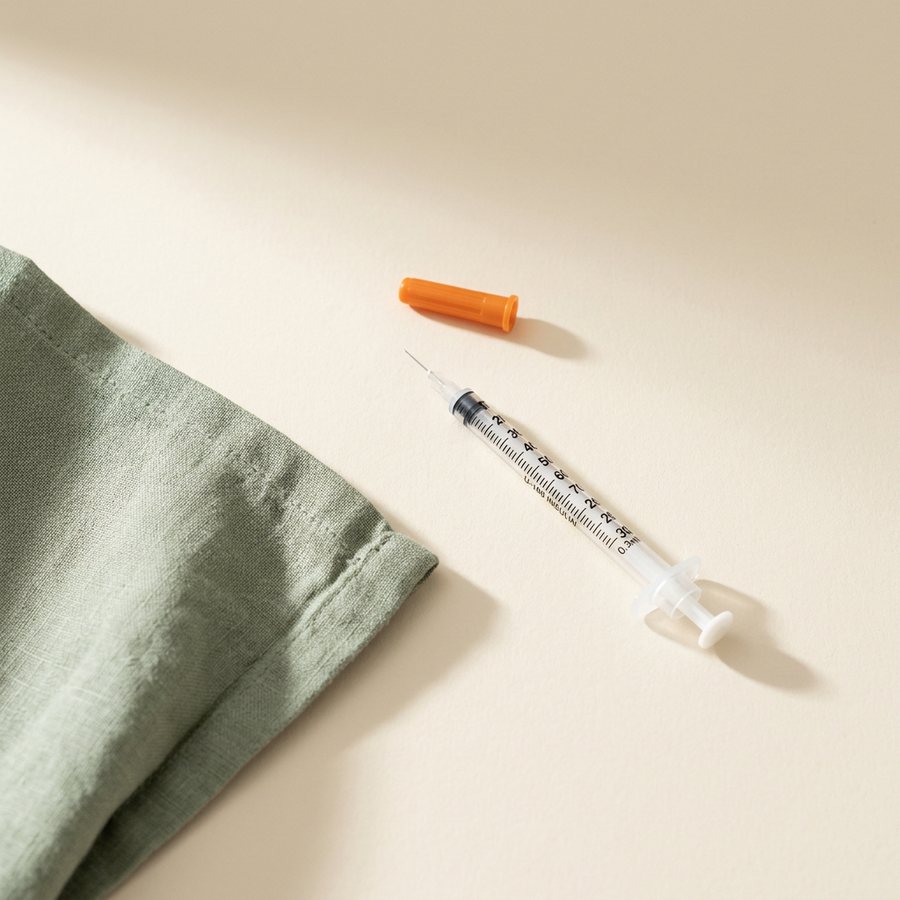
Weekly injection
about 80%
Absorbed from the fat layer. Nothing in the way.
Swallow it: about 1% reaches your blood. Inject it: about 80% does. Same comparison we show on our homepage.
| What you get | PepHaūs prescription | Gummies and “GLP-1 pills” | Grey market vials |
|---|---|---|---|
| Studied in clinical trials | |||
| Average loss in clinical trials | About 15% to 20% of body weight | None reported | Unknown |
| Physician licensed in your state | |||
| U.S.-licensed pharmacy | |||
| Tested product, cold shipped | |||
| Provider visit included | |||
| Dose tuned to you |
Pricing
What it costs
Compounded tirzepatide from a U.S.-licensed pharmacy costs $239 a month on the monthly plan, $227 a month when you pay quarterly, and $215 a month on the 6 month plan. That price includes the provider visit, your prescribed dose shipped cold packed to your address, and no doctor fees. You can cancel anytime.
If you want to see what your total cost looks like across a year, the GLP-1 cost calculator breaks it down by plan length and shows what you save when you pay up front.
For more on how compounded tirzepatide pricing works, the compounded tirzepatide cost page covers what each dose costs and how stepping up affects your monthly bill.
Pricing in your door
One price. Provider visit, medication and shipping included.
- First month$239
- 3-month plan$227/mo
- 6-month plan$215/mo
- First month$169
- 3-month plan$160/mo
- 6-month plan$152/mo
- Provider visit
- Medication
- Cold shipping to your door
- Refills on a schedule
- Care team messaging
- Cancel anytime online
LegitScript certified
A licensed U.S. pharmacy vs the grey market
Compounded tirzepatide comes from a U.S.-licensed pharmacy after a U.S.-licensed physician prescribes it. The vial is labeled with your name, the dose, and the pharmacy that compounded it. You have a provider to message if something feels off, and the medication is made under U.S. pharmacy rules.
Grey market vials sold as research chemicals come from overseas labs with no pharmacy license and no physician involved. The vial says research use only, not for human consumption. There is no one to call if the dose is wrong or side effects show up. Those vials are cheaper because they skip the licensed pharmacy, the provider visit, and the safety steps that prescription medication follows.
FAQ
FAQ
How much weight do people lose by 3 months on tirzepatide?+
Most people lose between 10 and 15 percent of their starting weight by month 3, though results vary. Clinical trials showed about 20 percent average weight loss across the full treatment course. Your provider watches your progress week by week and adjusts the dose so you keep losing at a steady pace.
What dose am I on at 3 months?+
By month 3 most people are on 7.5mg or 10mg. You start at 2.5mg for a month, step to 5mg at week 5, then to 7.5mg around week 9. Some people step to 10mg at week 13, others stay at 7.5mg longer depending on how their body responds.
Do side effects get better by month 3?+
Nausea usually shows up when you start or step up a dose, then fades within a few days. By month 3 most people are past the early nausea and settled into the dose they are on. If side effects stick around, your provider can slow the step up schedule or adjust the dose.
Can I stay on the same dose past month 3?+
Yes. If the dose you are on at month 3 is working and you are losing steadily with no side effects, your provider can keep you there. The goal is to find the dose that works for you, not to step up on a fixed schedule.
What happens if I miss a dose at month 3?+
If you miss your weekly shot and it has been less than 4 days since your dose was due, take it as soon as you remember. If it has been more than 4 days, skip that dose and take the next one on your regular day. Missing one dose will not stop your progress.
Does tirzepatide keep working after month 3?+
Yes. Tirzepatide keeps working as long as you stay on it. Most people continue past month 3 and keep losing weight until they reach their goal. Your provider adjusts the dose along the way to keep progress steady.
What should I eat at the 3 month mark?+
Focus on protein first, 20 to 30 grams per meal, to hold onto muscle while losing weight. Eat smaller portions and stop when you feel full. Stay hydrated and avoid foods that make nausea worse if that is still showing up for you.
What happens after month 3
By the end of month 3 you are past the starting doses and into the part of treatment where the dose you are on keeps working week after week. Your provider continues to check in, adjust as needed, and watch for progress. Most people keep going past month 3 until they reach their goal weight, then work with their provider to decide whether to stay on a maintenance dose or taper off.
Individual results vary. What matters at month 3 is that you have a provider watching your progress, a dose that is working, and a clear path forward. If you are ready to start, PepHaūs offers compounded tirzepatide prescribed by a U.S.-licensed physician and compounded by a U.S.-licensed pharmacy, with the provider visit and shipping included.
Start your visit from your phone
Ten minutes on your phone. A physician licensed in your state. A box on your porch in 2 to 3 business days.
See if you qualifyYour care team
Every PepHaus visit is reviewed by a licensed physician from the Wasef Health Group provider network. A doctor reads your intake, decides if treatment fits, and sets your plan.
Meet the physiciansThis article is educational and is not medical advice. Compounded medications are not FDA-approved. Treatment requires evaluation by a licensed provider.