Semaglutide Results 3 Months: What to Expect at the Quarter Mark
Most people lose 8 to 12 percent of their starting weight in three months with steady appetite and predictable routines.
Three months on semaglutide puts most people between 8 and 12 percent of their starting weight lost, appetite steady, and side effects lighter than the first two months. You are likely at or approaching your maintenance dose, and the weekly routine feels automatic.
Is this you?
Is this you?
You are three months in, wondering if your progress matches what others report. You started seeing the scale move in month one, lost more in month two, and now you want to know if month three keeps the same pace. Your appetite is quieter than it was before you started, and you are not sure if that lasts. Side effects that showed up early have eased, and you want to know what happens next. The dose steps felt big at first, and now you are asking whether the provider will keep raising it or hold where you are. If you nodded at two or three of those, keep reading.
Compounded semaglutide, prescribed online from $152/mo
One weekly shot. Provider visit and cold shipping included. Nothing charged unless you are prescribed.
See your yearly and weekly costHow the dose lands at three months
Most people reach their maintenance dose between weeks 12 and 16. The provider started you low, raised the dose every four weeks, and by month three you are at the level your body responds to without stacking side effects. Some people stay at 1 mg weekly, others step up to 1.7 mg or 2.4 mg. The provider watches your appetite, side effects, and how the scale moves, then decides whether to hold or raise the dose one more time.
Three months gives the provider enough data to see your pattern. If you dropped weight steadily and tolerate the current dose, they hold it there. If progress stalled and side effects stayed mild, they raise it once more. The dose you land on at month three is usually the dose you stay on for months.
What 8 to 12 percent loss looks like
Clinical trials reported about 15 percent average body weight loss over 68 weeks on semaglutide. At three months you are about a quarter of the way through that timeline, and 8 to 12 percent puts you ahead of the curve. That is 16 to 24 pounds for someone who started at 200, or 12 to 18 pounds at 150. Individual results vary based on starting weight, dose, activity, and protein intake.
The loss is not linear. Month one brought 4 to 6 percent, month two added another 3 to 5 percent, and month three adds 1 to 3 percent more. The pace slows as you get lighter, which is normal. Your body adapts, your calorie needs drop, and the dose you are on now keeps appetite steady rather than dropping it further.
Ready when you are. Ten minutes on your phone.
Start my online visitAppetite at the three month mark
Appetite at three months feels predictable. Food noise is gone, meals feel like a task you handle rather than something you think about all day, and you stop eating when satisfied instead of when the plate is empty. The first month brought appetite suppression that felt dramatic, and by month three it settles into a steady baseline.
Some people report appetite coming back a little between weeks 10 and 14, which is the dose wearing off before the next raise. If that happens, the provider adjusts the schedule or steps the dose up sooner. Most people on their maintenance dose stay satisfied all week without peaks and valleys.
Side effects lighten after the first two months
Nausea, bloating, and digestive slowness peak in the first six weeks and ease by month three. Most people report mild queasiness in week one of a new dose, then nothing by week three. By month three your body adapted to the treatment, and side effects stay rare. If nausea comes back, it is usually tied to a greasy meal, too much food at once, or a dose raise. The provider helps you space meals, avoid trigger foods, and stay hydrated.
Constipation can linger past month three if fiber and water intake stay low. The fix is straightforward: more vegetables, more water, and movement after meals. Some people add a fiber supplement or magnesium at night. Diarrhea is less common at three months, and when it shows up it is usually a reaction to fat or dairy. Cutting back on those and spreading meals out handles it.
Protein keeps muscle while you lose
Three months of steady weight loss means your body is burning stored fat, and without enough protein it also burns muscle. The provider recommends 25 to 30 grams of protein per meal, which is a palm sized serving of chicken, fish, eggs, Greek yogurt, or cottage cheese. Protein keeps you satisfied longer, supports recovery if you train, and protects lean mass while the scale drops.
Many people report chicken and fish go down easier than red meat, eggs work in the morning, and protein shakes between meals help hit the target when appetite is low. Training two or three times a week keeps muscle, walking after meals helps digestion, and steady cardio stacks with the calorie deficit.
What the provider checks at three months
The provider schedules a check in around week 12 to review your progress, adjust the dose if needed, and handle any side effects. They ask about appetite, nausea, energy, and how the weekly shot routine is going. They review your weight trend, not just the number on the scale, and look for steady loss over time. If the trend is flat for more than two weeks, they raise the dose. If side effects are stacking, they hold the dose another month.
The provider also asks about hydration, constipation, and whether you are hitting your protein target. Three months is early enough to adjust the routine if something is not working, and late enough that the provider has real data about how you respond.
The real thing vs the rest
Gummies and GLP-1 pills are not the same thing
Oral semaglutide pills exist, but they are not the gummies advertised online. The prescription pill is a tablet you take daily on an empty stomach, and about 1 percent of the dose reaches your blood. Injectable semaglutide is a weekly shot, and about 80 percent of the dose works. Gummies and liposomal forms sold over the counter were never in the clinical trials. Injectable tirzepatide averaged about 20 percent body weight loss in trials, and semaglutide averaged about 15 percent.
Compounded by a U.S.-licensed pharmacy means the same active ingredient, the same weekly injection, and a licensed physician sets your dose. The difference from brand name versions is cost and insurance coverage, not the molecule or how it works.
The real thing vs the rest
A gummy cannot do this. Not even close.
Weight loss gummies, so called GLP-1 pills and liposomal drops sold on social media were never in the clinical trials. Injectable tirzepatide and semaglutide were. Overseas research-only vials have no pharmacy and no physician behind them.

Weight loss gummies
0 mg
No GLP-1 medication inside. Fiber and plant extracts.
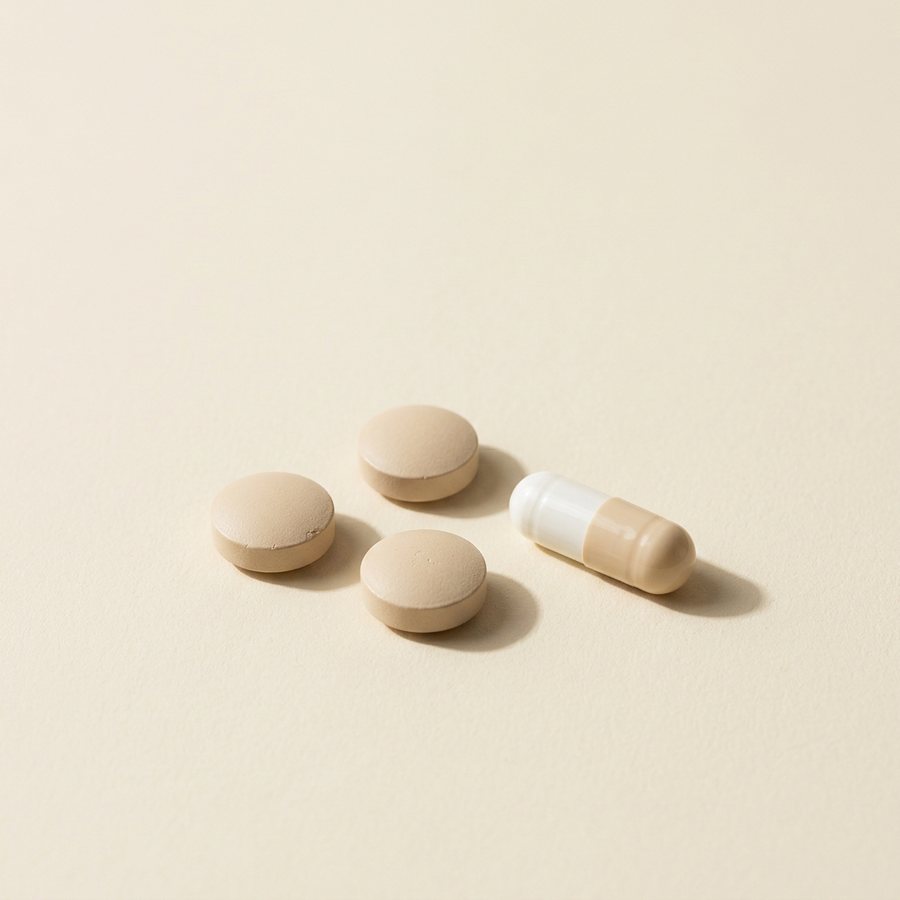
Pills and drops
about 1%
Swallow it and about 1 of every 100 units reaches your blood.
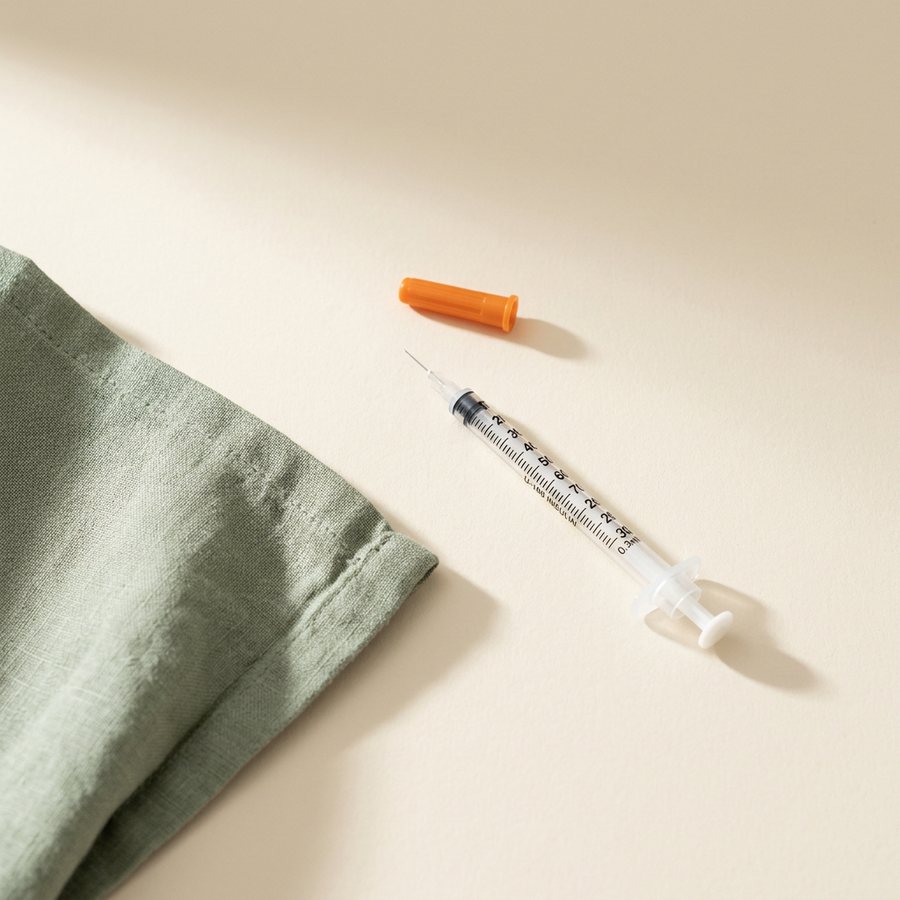
Weekly injection
about 80%
Absorbed from the fat layer. Nothing in the way.
Swallow it: about 1% reaches your blood. Inject it: about 80% does. Same comparison we show on our homepage.
| What you get | PepHaūs prescription | Gummies and “GLP-1 pills” | Grey market vials |
|---|---|---|---|
| Studied in clinical trials | |||
| Average loss in clinical trials | About 15% to 20% of body weight | None reported | Unknown |
| Physician licensed in your state | |||
| U.S.-licensed pharmacy | |||
| Tested product, cold shipped | |||
| Provider visit included | |||
| Dose tuned to you |
Pricing
What it costs
Compounded semaglutide costs $169 a month billed monthly, $160 a month on the quarterly plan, and $152 a month on the six month plan. The provider visit and shipping are included. You are never charged a doctor fee, and you can cancel anytime. The price stays the same whether you are on 0.5 mg or 2.4 mg. You can estimate your yearly cost at the GLP-1 cost calculator, and the full pricing breakdown is on the compounded semaglutide cost page.
Pricing in your door
One price. Provider visit, medication and shipping included.
- First month$239
- 3-month plan$227/mo
- 6-month plan$215/mo
- First month$169
- 3-month plan$160/mo
- 6-month plan$152/mo
- Provider visit
- Medication
- Cold shipping to your door
- Refills on a schedule
- Care team messaging
- Cancel anytime online
LegitScript certified
A licensed U.S. pharmacy vs the grey market
Overseas research vials, powder you mix yourself, and no physician oversight is the grey market. No pharmacy, no sterile compounding, no one checking your health history, and no recourse if the vial is contaminated. A U.S.-licensed pharmacy compounds the medication under FDA regulations, a licensed physician reviews your intake and prescribes the dose, and the vial arrives cold packed with everything you need.
Peptide research vials sold online are not approved for human use, are not tested for purity, and are not compounded in a sterile environment. Compounded semaglutide prescribed by a U.S.-licensed physician after a provider review is legal, safe, and effective.
FAQ
FAQ
How much weight can you lose on semaglutide in 3 months?+
Most people lose 8 to 12 percent of their starting weight in three months on semaglutide. That is 16 to 24 pounds for someone starting at 200 pounds, or 12 to 18 pounds at 150 pounds. Individual results vary based on starting weight, dose, protein intake, and activity.
What happens if semaglutide stops working at 3 months?+
If the scale stalls for more than two weeks at three months, the provider usually raises the dose one step. Some people plateau briefly between dose raises, and stepping up handles it. The provider walks through the routine and adjusts the dose or timing.
Can you stay on the same dose after 3 months?+
Yes, many people stay on the same dose after three months if they are losing steadily and tolerating it without side effects. The maintenance dose is the level that keeps appetite suppressed and weight dropping without stacking nausea. The provider decides based on your response.
How long do semaglutide results last?+
Semaglutide results last while you stay on treatment. Clinical trials showed people kept the weight off as long as they stayed on the medication, and most regained weight after stopping. Many people stay on it for years.
What should I eat at 3 months on semaglutide?+
Eat high protein meals with vegetables and healthy fats. Aim for 25 to 30 grams of protein per meal, which is a palm sized serving of chicken, fish, eggs, or Greek yogurt. Avoid greasy foods and large portions. Stay hydrated, eat fiber rich vegetables, and spread meals out.
Does semaglutide work faster at higher doses?+
Higher doses suppress appetite more and lead to more weight loss over time, but they also bring more side effects early on. The provider starts you low to let your body adapt, then raises the dose every four weeks until you land on the level that works.
Can you exercise on semaglutide at 3 months?+
Yes, you can exercise on semaglutide at three months. Lifting weights, walking, and steady cardio all support the weight loss and protect muscle. Energy is usually back by month three, and training helps you lose fat instead of muscle. Three months on semaglutide is the point where the routine feels automatic, the dose is dialed in, and the loss is steady. The next three months keep the same pattern: steady appetite suppression, gradual weight loss, and regular check ins to make sure the treatment is working.
Start your visit from your phone
Ten minutes on your phone. A physician licensed in your state. A box on your porch in 2 to 3 business days.
See if you qualifyKeep reading
Your care team
Every PepHaus visit is reviewed by a licensed physician from the Wasef Health Group provider network. A doctor reads your intake, decides if treatment fits, and sets your plan.
Meet the physiciansThis article is educational and is not medical advice. Compounded medications are not FDA-approved. Treatment requires evaluation by a licensed provider.