NAD+ Buffered vs Unbuffered: Which Form Is Right for You
The difference between buffered and unbuffered NAD+ comes down to injection comfort, not how well your cells use it.
Is this you?
Is this you?
You saw NAD+ injection options and noticed some say "buffered" while others don't. You wondered if buffered meant better absorption, fewer side effects, or just marketing. You want to know which form your body uses more efficiently. You started reading forum posts and found conflicting answers about injection discomfort. You care about getting the most energy and focus from each shot. You want the version that makes the most sense for a few small shots a week. If you nodded at two or three of those, keep reading.
NAD+ injections, prescribed online from $179/mo
A quick at home shot. Provider visit and shipping included. Nothing charged unless you are prescribed.
What buffered means and why it shows up
NAD+ in its pure form sits at a low pH, around 3 to 4, which is acidic. When compounded at that natural pH, the injection can sting or burn briefly at the injection site. Buffered NAD+ has had its pH adjusted closer to your body's natural pH of around 7.4, the same as your blood and tissue. That adjustment happens by adding a buffering agent during compounding, bringing the solution into a more neutral range. The NAD+ molecule itself stays the same. The difference is the acidity of the liquid around it.
Most people report buffered NAD+ feels less uncomfortable going in. The sting from unbuffered NAD+ lasts a few seconds to a minute and goes away on its own, but if you are doing a few small shots a week, comfort matters. Buffered NAD+ tends to feel smoother during the injection and right after. Some providers compound it buffered as the default. Others offer both and let you choose after the first month. Either way, you are getting NAD+ that your cells convert into energy, focus and cellular repair.
How your cells use both forms the same way
Once NAD+ enters your bloodstream, your cells pull it in and put it to work in mitochondria, the energy factories in every cell. NAD+ powers hundreds of metabolic reactions, from turning food into usable energy to repairing DNA and supporting the proteins that slow cellular aging. The buffering agent stays in the injection site and breaks down harmlessly. It never reaches your cells. What reaches your cells is NAD+ in the same molecular form whether the injection was buffered or not.
Clinical research on NAD+ injections measures outcomes like energy, mental clarity, cellular NAD+ levels and oxidative stress markers. Those studies report results from NAD+ itself, not from the pH of the solution it was dissolved in. The buffering step changes how the injection feels, not how well your body uses the NAD+ once absorbed. About 80 percent of injected NAD+ reaches your bloodstream. That absorption rate holds for buffered and unbuffered forms because the molecule is identical once it crosses into circulation.
Ready when you are. Ten minutes on your phone.
Start my online visitWhat providers check and how they choose the form
A licensed U.S. physician reviews your intake before prescribing NAD+ injections. The provider looks at your health history, current medications, and what you hope to get from treatment. Some providers ask if you have done injections before, because people new to self injections sometimes prefer buffered NAD+ to start. If you have been doing peptide injections for a while, you might not mind the brief sting from unbuffered NAD+. Either way, the provider sets a dose and schedule that fits your goals.
Most schedules run a few small subcutaneous shots a week, often 50 mg to 100 mg per shot, spread across three or four days. Some people take NAD+ in the morning for energy that carries through the day. Others dose it in the evening and report steadier sleep and better recovery overnight. The provider adjusts dose and timing based on how you respond in the first month. If you started on unbuffered and find the sting bothersome, switching to buffered is a simple adjustment the next month. If you started buffered and want to try unbuffered, the reverse works too.
The real thing vs the rest
Gummies and NAD+ pills are not the same thing
Oral NAD+ products, whether pills, gummies or liposomal formulas, break down in your stomach and intestines. Stomach acid and digestive enzymes tear the NAD+ molecule apart before it reaches your bloodstream. Some oral NAD+ precursors, like NMN and nicotinamide riboside, convert into NAD+ inside cells after you swallow them, but the conversion rate varies and many people report less noticeable effects compared to injections. Injectable NAD+ skips digestion entirely and goes straight into your bloodstream, where about 80 percent gets absorbed and carried to your cells.
Clinical trials on NAD+ for energy and cellular health used injections or IV infusions, not pills. The studies that reported improvements in cellular NAD+ levels, mitochondrial function and oxidative stress used doses that reached the bloodstream directly. If you swallow NAD+, only a small fraction survives digestion, and what does survive might not be enough to shift how your cells perform. Injections deliver the molecule intact, which is why providers prescribe them for people aiming for noticeable energy, focus and recovery changes.
The real thing vs the rest
A capsule cannot do this.
An injection prescribed by a physician puts the compound where it needs to go. A capsule or drink from an ad mostly does not survive digestion, and a grey market vial has nobody standing behind it.
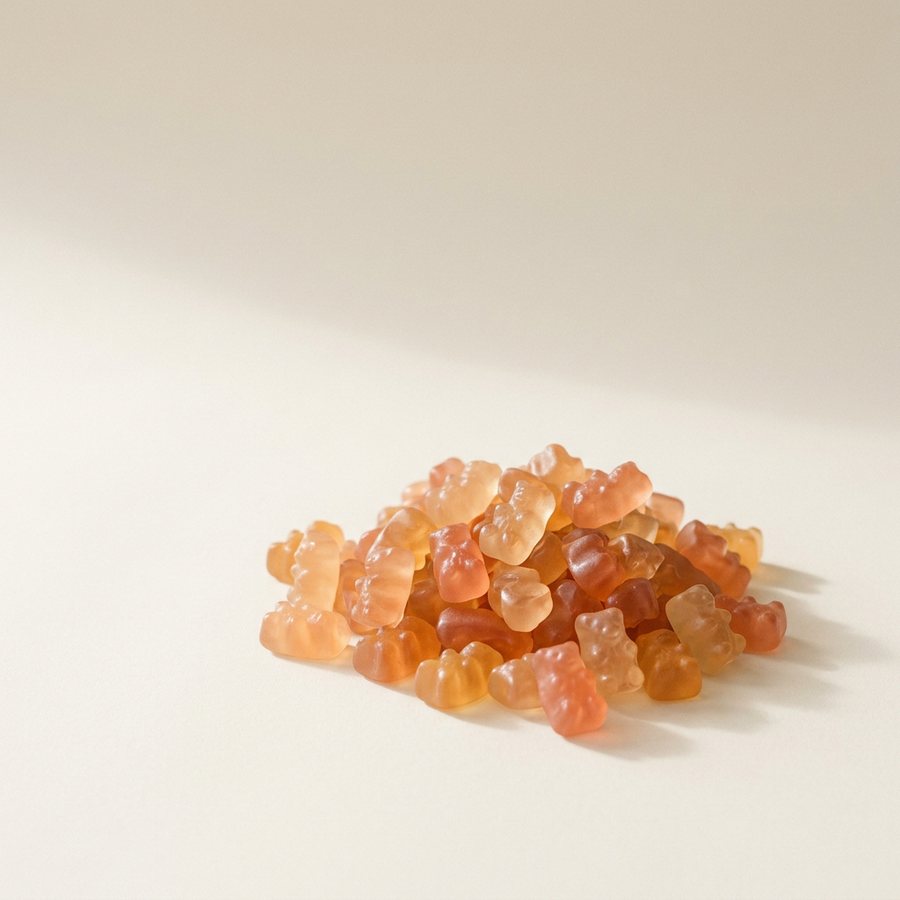
Gummies and drinks
0 mg
No prescription compound inside.
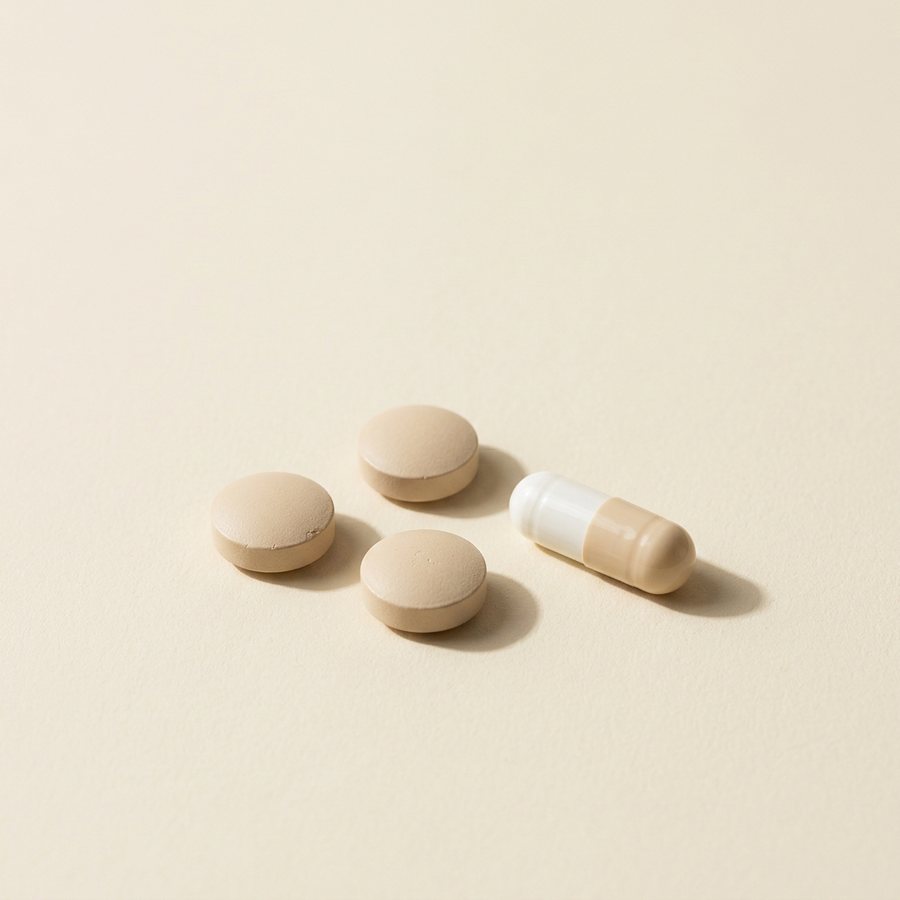
Liposomal capsules
about 1%
Swallow it and about 1 of every 100 units reaches your blood.
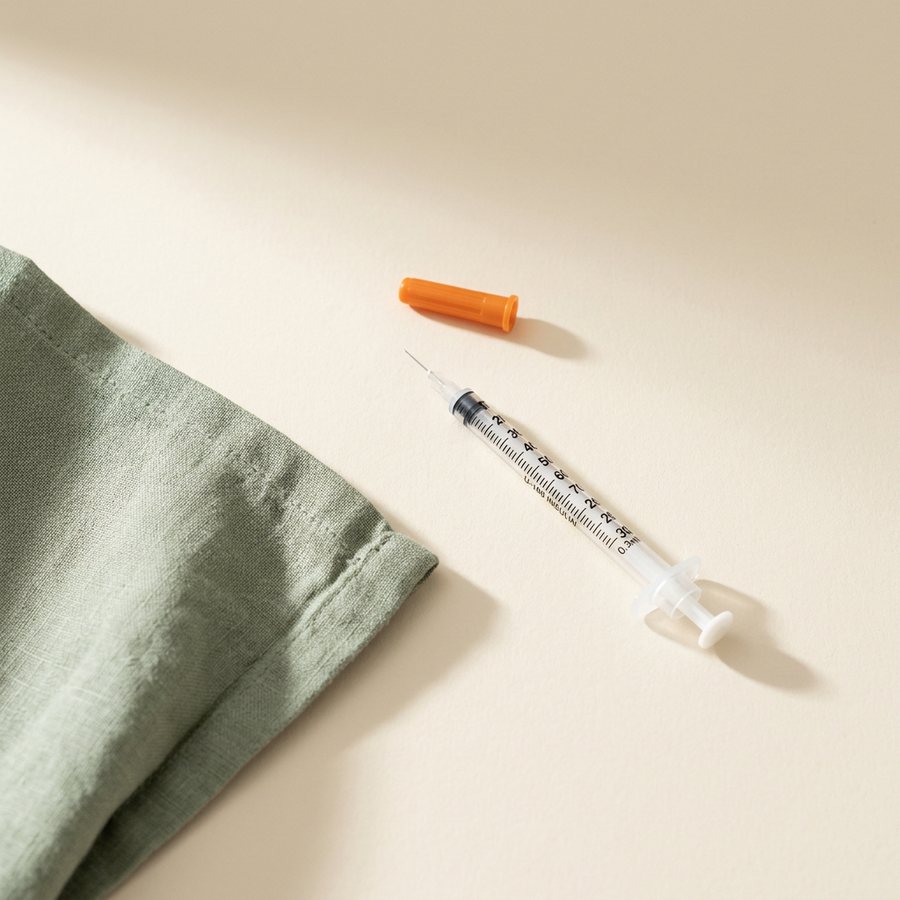
Weekly injection
about 80%
Absorbed from the fat layer. Nothing in the way.
Swallow it: about 1% reaches your blood. Inject it: about 80% does. Same comparison we show on our homepage.
| What you get | PepHaūs prescription | Liposomal capsules and drinks | Grey market vials |
|---|---|---|---|
| Goes straight into your system | Unknown | ||
| Physician licensed in your state | |||
| U.S.-licensed pharmacy | |||
| Tested product, cold shipped | |||
| Provider visit included | |||
| Dose tuned to you |
Pricing
What it costs
PepHaūs NAD+ injections cost $199 a month on monthly billing, $189 a month on quarterly billing, and $179 a month on 6 month billing. That includes the provider visit, your prescribed vials compounded by a U.S. licensed pharmacy, and free expedited shipping. No doctor fees, no membership charges, no clinic visit. You inject at home on the schedule your provider sets, and dose adjustments happen through a quick message if needed. Buffered and unbuffered NAD+ cost the same. The choice comes down to comfort, not price.
For a detailed breakdown of what different plans include and how quarterly and 6 month billing compares, see the NAD+ injection cost page. If you want to compare NAD+ to other longevity peptides like sermorelin or recovery options, the NAD+ guide covers how they work together and who benefits from pairing them.
Pricing in your door
One price. Provider visit, medication and shipping included.
- Provider visit
- Medication
- Cold shipping to your door
- Refills on a schedule
- Care team messaging
- Cancel anytime online
LegitScript certified
A licensed U.S. pharmacy vs the grey market
Overseas research chemical suppliers sell NAD+ vials labeled "for research use only" at prices that look appealing until you read the fine print. Those vials ship from labs with no U.S. oversight, no licensed pharmacist verifying purity, and no physician checking if the dose fits your health. Some grey market NAD+ has tested below labeled strength. Some has tested contaminated with bacterial endotoxins or heavy metals. You have no way to verify what you are injecting, and if something goes wrong, you have no licensed provider to call.
PepHaūs NAD+ is compounded by a U.S. licensed 503A pharmacy after a licensed physician prescribes it. Every batch is tested for sterility, purity and potency. The pharmacy follows FDA guidelines for sterile compounding, and the vials arrive sealed with the prescribed dose and your name on the label. If you have questions about storage, injection technique, or how you feel on NAD+, you message a provider who has your chart and can adjust your plan. Grey market vials come with none of that.
FAQ
FAQ
Does buffered NAD+ work faster than unbuffered?+
No. Both forms absorb at about the same rate and reach peak blood levels around the same time after injection. Buffering changes the pH of the solution, not how quickly NAD+ crosses into circulation. Most people notice energy and focus shifts within the first week or two on either form, as cellular NAD+ levels climb and mitochondria run more efficiently.
Can I switch from unbuffered to buffered mid month?+
Yes, if your provider agrees. Some people start unbuffered, find the injection sting more bothersome than expected, and switch to buffered on the next refill. The change happens at the pharmacy when your next vial is compounded. If you are already on a plan, message your provider and they will update the prescription for the following month.
Is buffered NAD+ less pure?+
No. Buffered NAD+ contains the same pharmaceutical grade NAD+ as unbuffered, plus a small amount of a buffering compound like sodium bicarbonate or phosphate buffer to adjust pH. Those buffering agents are the same ones used in IV solutions and other injectable medications. They stay in the injection site and break down harmlessly, leaving pure NAD+ in your bloodstream.
Does the injection site matter for buffered vs unbuffered?+
Both forms go into subcutaneous fat, the layer under your skin. Common sites are the abdomen, thigh, or upper arm. Buffered NAD+ might feel smoother at any of those sites compared to unbuffered, but the absorption rate stays the same. Rotating injection sites helps prevent irritation whether you use buffered or unbuffered.
Can I mix buffered NAD+ with other peptides in one shot?+
Some peptides can be mixed in one syringe, but NAD+ is usually dosed separately because it has a different volume and concentration than most peptides. Your provider will tell you if mixing is safe for your specific combination. Many people on NAD+ and sermorelin, for example, do two separate shots a few minutes apart.
How do I store buffered NAD+ after it arrives?+
Refrigerate NAD+ vials between 36°F and 46°F as soon as they arrive. Keep them in the original vial, away from light. Once reconstituted with bacteriostatic water, NAD+ stays stable in the fridge for about 28 days. Buffered and unbuffered NAD+ follow the same storage rules. If you travel, a small cooler with an ice pack keeps vials cold for a day or two.
Will I notice a difference in energy between buffered and unbuffered NAD+?+
Most people report the same energy, focus and recovery benefits from buffered and unbuffered NAD+ because the active molecule is identical. The difference is injection comfort, not cellular effect. If you are deciding which form to start, comfort during the shot is a reasonable factor, but energy and mental clarity outcomes track the same either way. PepHaūs NAD+ injections are prescribed by a U.S. licensed physician and compounded by a U.S. licensed pharmacy. Buffered or unbuffered, you get pharmaceutical grade NAD+ shipped cold to your door, with provider support through every dose adjustment. The choice between buffered and unbuffered comes down to injection comfort, and your provider can walk you through both options before your first month starts.
Start your visit from your phone
Ten minutes on your phone. A physician licensed in your state. A box on your porch in 2 to 3 business days.
See if you qualifyYour care team
Every PepHaus visit is reviewed by a licensed physician from the Wasef Health Group provider network. A doctor reads your intake, decides if treatment fits, and sets your plan.
Meet the physiciansThis article is educational and is not medical advice. Compounded medications are not FDA-approved. Treatment requires evaluation by a licensed provider.