How to Inject BPC-157: Step-by-Step Guide for Beginners
Master BPC-157 injection technique in minutes with proper storage, site rotation, and timing for optimal recovery support.
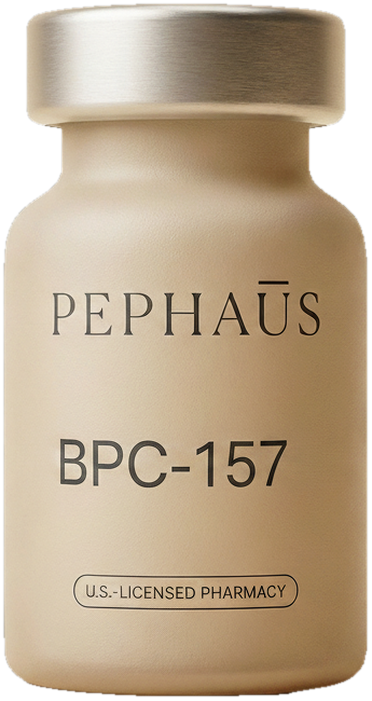
Learning to self-inject BPC-157 feels like a big step, but most people get comfortable with it after the first week. The process takes about two minutes once you have your routine down, and the needles used for subcutaneous injections are small and thin.
Is this you?
Is this you?
If you nodded at two or three of those, keep reading.
You got prescribed BPC-157 but the injection part makes you a little nervous
You want to know exactly what to do before your first dose arrives
You are wondering where to inject and how often
You want to make sure you are storing it right so it stays effective
You are curious if there is a best time of day to take it
You have done injections before but want to confirm you are doing BPC-157 correctly
BPC-157 injections, prescribed online from $152/mo
A quick at home shot. Provider visit and shipping included. Nothing charged unless you are prescribed.
What your provider walks you through before you start
When a U.S.-licensed physician prescribes BPC-157, they review your health history and explain how the protocol works. Most providers send a video or written guide with your first shipment showing the injection technique step by step. They set your starting dose based on your goals and what you have used before, and they adjust it at your first check-in if needed.
BPC-157 is injected subcutaneously, which means just under the skin into the fatty tissue. The needles are short and thin, about the size used for insulin. Subcutaneous injections go into fat, not muscle, so the technique is gentle and straightforward.
Your provider tells you which injection sites work best. Common areas include the abdomen (at least two inches away from the belly button), the outer thigh, or the back of the upper arm. Many people rotate between a few spots to avoid using the same site two days in a row.
Step by step: how to inject BPC-157
Before your first injection, wash your hands and gather your supplies on a clean surface. You need the BPC-157 vial, a fresh syringe and needle, and an alcohol wipe. If your BPC-157 came refrigerated, let it sit at room temperature for about five minutes so the injection feels more comfortable.
Wipe the top of the vial with an alcohol wipe. Draw air into the syringe equal to the dose you are taking, then insert the needle through the rubber stopper and push the air into the vial. This makes it easier to draw the liquid. Flip the vial upside down, pull back the plunger to draw your dose, and check for air bubbles. If you see any, tap the syringe gently and push them out.
Clean your chosen injection site with a fresh alcohol wipe and let it dry for a few seconds. Pinch a small fold of skin, hold the syringe like a dart, and insert the needle at a 45 to 90 degree angle in one smooth motion. Push the plunger slowly and steadily to inject the liquid, then pull the needle straight out. Press the alcohol wipe over the spot for a few seconds.
Dispose of the used needle in a sharps container right away. Never recap needles, and never reuse them.
Ready when you are. Ten minutes on your phone.
Start my online visitHow often and when to inject
Most BPC-157 protocols run a few small injections per week. Your provider sets the schedule based on your dose and your recovery goals. Some people inject daily, others every other day or a few times a week. The timing stays consistent so your body gets a steady amount.
There is no single best time of day to inject BPC-157. Many people do it in the morning as part of their routine, others prefer evening after training. Pick a time you can stick with, and keep your doses about the same number of hours apart if you are injecting daily.
Storage and handling
BPC-157 needs to stay cold once it is reconstituted. Store the vial in the refrigerator between injections, and keep it away from light. Do not freeze it. If you are traveling, pack it in a small insulated bag with an ice pack.
Check the vial before each use. The liquid should be clear, with no cloudiness or particles floating in it. If it looks off or smells unusual, do not use it, and contact your provider for a replacement.
Vials stay effective for several weeks when stored correctly. Your provider tells you how long your specific batch is good for after reconstitution.
What to expect in the first few weeks
The injection itself feels like a small pinch. Most people report little to no discomfort during the process. You might see a tiny red mark at the injection site, which goes away within a few minutes. Bruising can happen if the needle nicks a small blood vessel, but it is not common and it fades on its own.
Some people notice steadier energy and less soreness after training within the first week or two. Others take a month before they feel a shift. BPC-157 supports the body's natural repair process, which happens gradually. Pair it with good sleep, enough protein, and a consistent training routine.
Most published research on BPC-157 comes from lab and animal studies, which is why a provider reviews your health history and sets your dose. Human research is early, but many people report smoother recovery when they stay on the protocol for a few months.
If you compete in a tested sport, check your league's prohibited substance list before starting. BPC-157 may appear on some athletic governing body lists.
Gummies and GLP-1 pills are not the same thing
Peptide gummies and pills were never in the clinical trials. Swallow a peptide and about 1 percent reaches your blood because stomach acid breaks it down. Inject it subcutaneously and about 80 percent does. That difference is why BPC-157 is prescribed as an injection, compounded by a U.S.-licensed pharmacy after a provider review.
What it costs
BPC-157 from PepHaūs costs $169 a month billed monthly, $160 a month on the quarterly plan, or $152 a month on the 6-month plan. That includes the provider visit, the medication compounded by a licensed U.S. pharmacy, and free expedited shipping. There is no separate doctor fee. You can cancel anytime.
For more details on how to get started, visit PepHaūs BPC-157.
LegitScript certified
A licensed U.S. pharmacy vs the grey market
BPC-157 from a licensed 503A compounding pharmacy in the U.S. is prescribed by a U.S.-licensed physician and compounded to USP standards with testing for purity and sterility. You know what is in the vial, how it was made, and who to contact if something seems off.
Grey market research vials sold online as "not for human use" skip all of that. No provider review, no pharmacy oversight, no testing, and no recourse if the product is contaminated or misdosed. In October 2026, the FDA granted enforcement discretion letting licensed 503A compounding pharmacies compound BPC-157 after the July 2026 advisory committee vote.
FAQ
FAQ
How long does a vial of BPC-157 last?+
How long a vial lasts depends on your dose and how often you inject. Most people get one to three weeks from a single vial. Your provider tells you how many vials to expect each month based on your protocol.
Can I inject BPC-157 in the same spot every time?+
Rotating injection sites helps avoid irritation and keeps the tissue healthy. Use a different spot each time, or at least skip the same site for a couple of days.
What if I miss a dose?+
Take it as soon as you remember, unless it is almost time for your next scheduled dose. Do not double up. If you miss a few doses in a row, reach out to your provider to confirm the best way to get back on track.
Do I need to refrigerate BPC-157 before I reconstitute it?+
BPC-157 in powder form can often be stored at room temperature until you reconstitute it, but check the instructions that come with your shipment. Once you add the bacteriostatic water, it goes in the fridge.
Can I take BPC-157 with other peptides?+
Many people pair BPC-157 with TB-500, another peptide that supports recovery. Your provider reviews your full supplement and medication list before prescribing to make sure everything works together safely. Read more about BPC-157 and TB-500 together .
Is it normal to feel a little sting during the injection?+
A quick sting is common, especially if the liquid is cold. Letting the vial warm to room temperature for a few minutes before you draw the dose can help. If the pain is sharp or lasts more than a few seconds, double-check your technique with your provider.
How do I know if I am doing it right?+
If the liquid goes in smoothly, you see no unusual swelling or redness at the site, and you are following the steps your provider gave you, you are doing it right. Most providers offer a quick video call or message check-in during your first week if you want confirmation. Self-injecting BPC-157 gets easier with practice. After a few days, the routine feels automatic, and the injection itself becomes a two-minute step in your recovery protocol. The provider who prescribes it walks you through the technique and stays available for questions as you settle in.
Start your visit from your phone
Ten minutes on your phone. A physician licensed in your state. A box on your porch in 2 to 3 business days.
See if you qualifyYour care team
Every PepHaus visit is reviewed by a licensed physician from the Wasef Health Group provider network. A doctor reads your intake, decides if treatment fits, and sets your plan.
Meet the physiciansThis article is educational and is not medical advice. Compounded medications are not FDA-approved. Treatment requires evaluation by a licensed provider.