Glutathione Injections Side Effects: What to Expect and How Your Provider Helps
Injectable glutathione brings mild temporary effects that fade as your body adjusts, and your provider monitors you closely to minimize any discomfort.
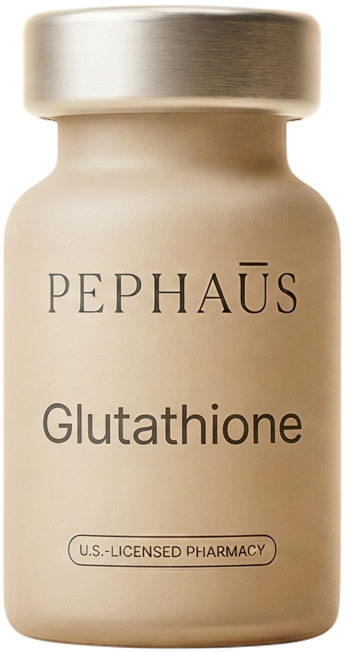
Injectable glutathione is well tolerated when prescribed by a licensed provider and compounded by a U.S. pharmacy, with most people experiencing mild temporary effects that fade as the body adjusts. The most common reactions include slight redness at the injection site, temporary flushing, or mild digestive changes during the first week, and your provider monitors you closely and adjusts your protocol to minimize any discomfort. What you won''t get from grey market research vials is a provider who checks your health history, starts you at the right dose, and walks you through what to expect week by week.
Is this you?
Is this you?
You''re considering glutathione injections for skin, researching what to expect, and want the straight story on side effects without the scare tactics or false promises. Maybe a few of these sound familiar:
If you nodded at two or three of those, keep reading.
You found conflicting information online, some saying it''s perfectly safe and others warning about serious risks, and you want a straight answer from people who actually prescribe it.
You saw results from someone you follow but want to know what the first few weeks really feel like before you commit to a monthly plan.
You''re wondering if the slight nausea or flushing you read about is normal or a sign something is wrong.
You''ve seen grey market glutathione sold online for less and want to know if the pharmacy version is worth the difference.
You have sensitive skin and want to know if injection site reactions are common or how providers handle them.
You''re concerned about long term safety and want to know what a licensed provider actually monitors.
You want to understand which side effects mean stop immediately versus which ones are temporary and go away on their own.
You''ve never injected anything before and the idea of doing it yourself makes you nervous.
Glutathione injections, prescribed online from $84.15/mo
A quick at home shot. Provider visit and shipping included. Nothing charged unless you are prescribed.
The side effects most people experience
The first injection brings mild temporary flushing for about 10 to 20 minutes as glutathione moves through your system. Your face might feel warm, you might notice a slight metallic taste, and some people report feeling their heart beat a bit faster. This is not an allergic reaction, it''s your body responding to a concentrated antioxidant, and it lessens with each subsequent injection.
Injection site reactions show up as a small red spot, slight tenderness, or minor bruising. Rotating injection sites each time, icing the area before injecting, and letting the vial warm to room temperature all reduce these reactions. Most people find them gone within 24 hours.
Digestive changes like mild nausea, loose stools, or stomach discomfort happen in about one in ten people during the first two weeks. Starting at a lower dose and working up gradually gives your gut time to adjust. Taking the injection after a meal, staying hydrated, and spacing doses at least three days apart when starting out all help. If digestive issues persist past week three, your provider adjusts your dose or frequency.
Headaches during the first week are related to detoxification. As your body clears oxidative byproducts faster than usual, you might feel a dull headache for a day or two. Drinking more water than you think you need, keeping electrolytes balanced, and avoiding alcohol during your first two weeks minimize this.
Fatigue or feeling tired for the first few days surprises people who expected an energy boost right away. Your cells are recalibrating how they handle oxidative stress, and that adjustment can make you want an extra hour of sleep. This is temporary, and most people report steadier energy by week three.
What your provider checks before prescribing
A licensed physician reviews your full health history before approving glutathione injections, looking at liver function, kidney health, any history of asthma or breathing issues, current medications, and whether you''re pregnant or nursing. People with active asthma sometimes experience mild airway constriction from injectable glutathione, so your provider needs to know about breathing conditions upfront.
Blood thinners, immunosuppressants, and certain chemotherapy drugs can interact with glutathione''s antioxidant effects. Your provider reviews every medication and supplement you take to catch potential interactions before they happen. If you''re on any of these, glutathione might not be appropriate, or your provider adjusts timing and dosage.
Kidney and liver labs give your provider a baseline to compare against if anything changes. If your labs show any concerns, your provider addresses those first. True allergic reactions to glutathione itself are extremely rare, but if you''ve had anaphylaxis or severe hives from other injections, your provider specifies preservative free formulations when needed.
Ready when you are. Ten minutes on your phone.
Start my online visitWhat the first month looks like
Week one brings the most noticeable temporary effects. Flushing after each injection, mild digestive changes, and slight fatigue are all normal as your body adjusts to higher glutathione levels. Your provider starts you at a conservative dose, often 600mg to 800mg twice weekly, to minimize these effects while still giving your cells enough glutathione to make a difference.
Week two shows less flushing, and digestive effects start to settle. Your provider checks in to see how you''re tolerating the dose and whether any side effects lingered longer than expected. If you had persistent nausea or headaches, your provider might lower the dose slightly or space injections further apart.
Week three is when temporary side effects resolve for most people. Flushing might still happen but lasts only a few minutes, injection sites heal faster, and energy levels stabilize. Some people start noticing skin looking brighter or more even, though dramatic changes take eight to twelve weeks.
Week four marks the end of the adjustment period. Your body has adapted to regular glutathione supplementation, side effects are minimal or gone, and you''ve settled into a routine that works.
Normal reactions versus when to call your provider
Normal temporary reactions include mild flushing that fades within 20 minutes, slight tenderness at the injection site that resolves in a day, temporary digestive changes during week one, and a dull headache during the first few days. These don''t require stopping treatment, your provider can tweak your protocol to make them less noticeable.
Reactions that need immediate provider contact include difficulty breathing or wheezing within an hour of injection, severe hives or swelling, chest tightness or rapid irregular heartbeat, persistent vomiting or diarrhea lasting more than 24 hours, or severe pain and swelling at the injection site that worsens over days. Your provider needs to know right away so they can determine whether it''s safe to continue.
Signs of infection like increasing redness spreading outward, warmth and swelling that gets worse after 48 hours, pus or drainage, or fever within a few days of injecting indicate contamination rather than a reaction to glutathione itself. Your provider treats it with antibiotics while reviewing your injection process to prevent recurrence.
Pricing
What it costs
Glutathione injections from a licensed U.S. pharmacy after a provider review run $99 a month when billed monthly, $94 a month on a quarterly plan, and $89 a month when you commit to six months. That price includes the provider visit, your prescribed dose compounded fresh, shipping to your door in a cold pack, and ongoing support from the clinical team. You can cancel anytime, there''s never a doctor fee, and your first month is the same price as every month after.
Compare that to grey market research vials sold online for $30 to $50 per vial. Those are labeled "not for human use," compounded overseas or in unregulated facilities, shipped without temperature control, and sold with no provider oversight. You have no way to verify the actual glutathione content, purity, or sterility, and if something goes wrong, there''s no clinical team to help you figure out what happened. The pharmacy version costs more because a licensed physician prescribes it, a licensed pharmacy compounds it under FDA oversight, and you get support throughout your treatment. For more details on what you actually pay, check out the full breakdown at glutathione injection cost.
Pricing in your door
One price. Provider visit, medication and shipping included.
- First month$99
- 3-month plan$94/mo
- 6-month plan$89/mo
- Provider visit
- Medication
- Cold shipping to your door
- Refills on a schedule
- Care team messaging
- Cancel anytime online
LegitScript certified
A licensed U.S. pharmacy vs the grey market
Compounded by a U.S.-licensed pharmacy means your glutathione follows FDA standards for sterile compounding, uses pharmaceutical grade ingredients with verified purity, and maintains strict temperature control from production through shipping. Each vial is compounded fresh for your prescription and shipped in insulated packaging with cold packs.
Prescribed by a U.S.-licensed physician means a doctor licensed in your state reviewed your health history, confirmed glutathione is appropriate for you, set your starting dose, and monitors your progress to catch issues early. If side effects come up, your provider adjusts your dose instead of leaving you to figure it out alone.
Grey market research vials come with none of that. They''re sold as "research chemicals not intended for human consumption" to avoid regulation, compounded in facilities that don''t meet pharmaceutical standards, and sold to anyone regardless of health history. There''s no sterility testing, no verification of dose accuracy, and no cold chain guarantee. Saving $50 a month isn''t worth injecting contaminated or degraded product with no medical oversight.
FAQ
FAQ
How long do glutathione injection side effects last?+
Most temporary side effects like flushing, mild nausea, and injection site tenderness resolve within the first two to three weeks as your body adjusts to regular supplementation. Flushing lessens after each injection, and by week four most people experience minimal to no side effects. If any reaction persists beyond three weeks, your provider adjusts your dose or investigates other potential causes.
Can glutathione injections cause allergic reactions?+
True allergic reactions to glutathione itself are extremely rare because it''s a naturally occurring antioxidant your body already makes. Reactions to preservatives, stabilizers, or contaminants in improperly compounded vials are more common, which is why working with a licensed pharmacy that uses pharmaceutical grade ingredients and preservative free formulations when needed reduces risk. If you have a history of severe allergies to injections, your provider discusses this before prescribing.
Is it normal to feel tired after starting glutathione injections?+
Mild fatigue during the first few days is common as your cells adjust to higher antioxidant levels and your body clears accumulated oxidative byproducts faster than usual. This temporary tiredness usually resolves by week two, and most people report more consistent energy by week three. If fatigue persists or worsens beyond two weeks, your provider checks thyroid function and reviews your overall protocol to identify the cause.
What should I do if I get a lump at the injection site?+
Small lumps or firm areas at injection sites can develop if glutathione is injected too quickly, into muscle instead of fatty tissue, or if the same spot is used repeatedly without rotation. Massaging the area gently for a few minutes after injecting, applying a warm compress for ten minutes, and rotating to a completely different site for your next injection resolves it within a week. If the lump grows, becomes painful, or shows signs of infection like redness and warmth, contact your provider right away.
How often should I inject glutathione to minimize side effects?+
Most protocols start with two injections per week spaced at least three days apart, which gives your body time to process each dose and minimizes cumulative effects that can worsen side effects. Some people tolerate three times weekly after the first month, while others find once weekly works better for their body. Your provider sets your initial frequency based on your goals and health status, and adjusts it based on how you respond during the first month. Starting glutathione injections with a licensed provider means someone is watching for side effects, adjusting your protocol to minimize discomfort, and confirming that what you''re experiencing is normal rather than concerning. The temporary flushing and mild digestive changes most people notice during week one fade as your body adapts, and by week four you''ve settled into a routine that works. What matters is knowing the difference between expected adjustment effects and signs that need immediate attention, and having a provider who helps you navigate that difference. Ready to start with a provider who monitors your progress and adjusts your protocol as needed? Visit PepHaūs glutathione injections to see how it works, or check out the complete guide to glutathione for step by step details on getting prescribed online. For more on what to expect week by week, see our glutathione injection results timeline , and to understand the right frequency for your body, read about glutathione injection schedules .
Start your visit from your phone
Ten minutes on your phone. A physician licensed in your state. A box on your porch in 2 to 3 business days.
See if you qualifyYour care team
Every PepHaus visit is reviewed by a licensed physician from the Wasef Health Group provider network. A doctor reads your intake, decides if treatment fits, and sets your plan.
Meet the physiciansThis article is educational and is not medical advice. Compounded medications are not FDA-approved. Treatment requires evaluation by a licensed provider.