Glutathione Injection Dosage Per Week: Your Provider-Set Schedule
Your provider sets your weekly glutathione dosing schedule based on your skin goals and how your body responds. Most start with two to three injections a week.
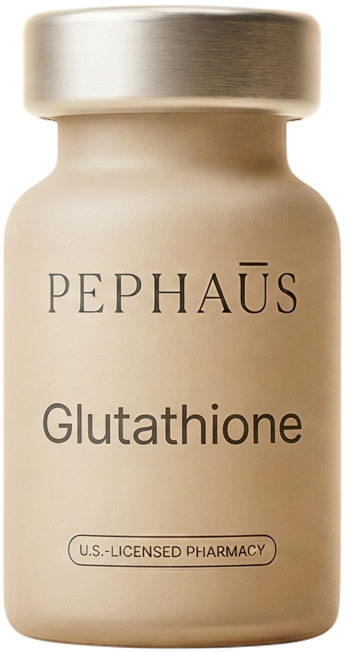
Your provider sets your glutathione injection schedule based on your skin goals, how your body responds, and what a licensed U.S. pharmacy can compound for you. Most people start with two to three small injections a week, then settle into a maintenance pattern once their skin looks the way they want it.
Is this you?
Is this you?
You want clearer, more even looking skin. You started glutathione injections but the dosing schedule seems vague. You are not sure if you should inject the same amount every week or if it changes. You read conflicting advice online and want to know what a provider actually prescribes. You want a schedule you can stick to without guessing. You are curious if the weekly dose stays the same or adjusts over time. If you nodded at two or three of those, keep reading.
Glutathione injections, prescribed online from $84.15/mo
A quick at home shot. Provider visit and shipping included. Nothing charged unless you are prescribed.
How providers set your weekly glutathione schedule
A U.S.-licensed provider reviews your health history, current medications, and what you want your skin to look like. They write a prescription for a dose and frequency that fits you. The pharmacy compounds it and ships it in a vial with needles and alcohol wipes.
Most starting schedules run two to three injections a week, with each injection between 200 and 600 mg. The provider spaces them out so your body has time to use the glutathione before the next dose arrives. Many people inject Monday, Wednesday, Friday or Tuesday, Thursday, Saturday.
The vial you get holds enough for the week. You draw from it with a fresh needle each time, inject into the fatty tissue under your skin, and store the vial in the fridge between doses. The provider sets the total weekly amount, then divides it across the injections so each one is small and comfortable.
What a typical first month looks like
Week one starts with a provider visit by phone or video. They review your goals, check for anything that would make glutathione a bad fit, and write the prescription. The pharmacy ships the vial within a couple of days. You get a text with injection instructions and a video walkthrough.
The first injection feels like a tiny pinch. You inject into your belly, thigh, or upper arm, rotating the spot each time. The whole process takes about two minutes. You might feel nothing right away, or you might notice steadier energy within a few days.
Week two and three continue with the same schedule. Some people report their skin looks a bit brighter or more even by the end of week two. Many people report nothing visible yet. The provider checks in around week three to see how you are doing and if the schedule is working for your routine.
Week four is when most people start to notice smoother, more even looking skin. The provider might keep the schedule the same or adjust it based on what you report. If you are seeing the results you want, the schedule stays. If progress is slower than expected, they might increase the weekly total.
Ready when you are. Ten minutes on your phone.
Start my online visitThe real thing vs the rest
Gummies and pills are not the same thing
Glutathione pills and gummies were not in the clinical trials for skin benefits. When you swallow glutathione, it breaks down in your stomach and about 1% reaches your blood. When you inject it, about 80% does. That is why the studies showing skin improvements used injections, not oral forms.
Injectable glutathione is prescribed by a U.S.-licensed physician and compounded by a U.S.-licensed pharmacy. Pills and gummies come from the supplement aisle with no prescription, no provider, and no testing.
The real thing vs the rest
A capsule cannot do this.
An injection prescribed by a physician puts the compound where it needs to go. A capsule or drink from an ad mostly does not survive digestion, and a grey market vial has nobody standing behind it.

Gummies and drinks
0 mg
No prescription compound inside.
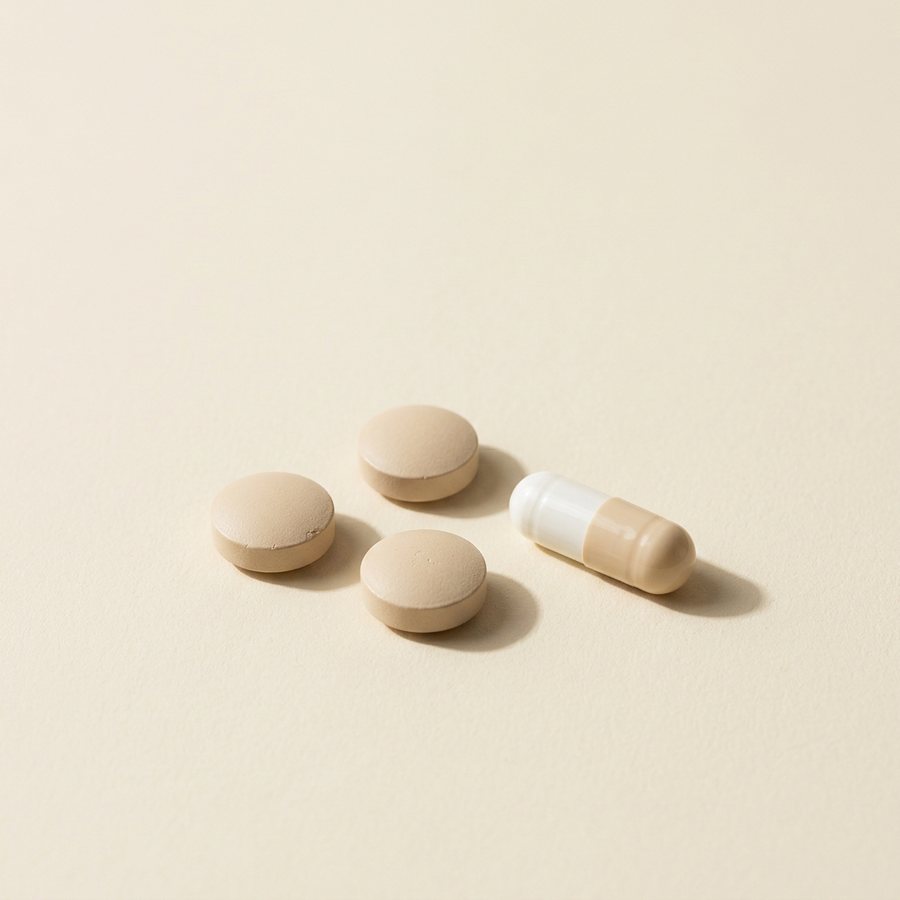
Liposomal capsules
about 1%
Swallow it and about 1 of every 100 units reaches your blood.

Weekly injection
about 80%
Absorbed from the fat layer. Nothing in the way.
Swallow it: about 1% reaches your blood. Inject it: about 80% does. Same comparison we show on our homepage.
| What you get | PepHaūs prescription | Liposomal capsules and drinks | Grey market vials |
|---|---|---|---|
| Goes straight into your system | Unknown | ||
| Physician licensed in your state | |||
| U.S.-licensed pharmacy | |||
| Tested product, cold shipped | |||
| Provider visit included | |||
| Dose tuned to you |
How the schedule changes over time
After the first month, the provider looks at your results and adjusts. If your skin looks clearer and more even, they might drop to two injections a week to maintain those results. If you want to keep improving, the schedule might stay the same for another month or two.
Most people reach a maintenance phase around month two or three. Maintenance means your skin looks the way you want it, and you inject just often enough to keep it there. That can be once or twice a week. The provider writes a new prescription for the maintenance dose, and the pharmacy ships a vial that matches the new schedule.
Some people stay on maintenance for months. Some take a break and notice their skin gradually returns to baseline over a few weeks, then restart. The provider lets you know what to expect based on how your skin responded.
Pricing
What it costs
Glutathione injections at PepHaūs cost $99 a month when billed monthly, $94 a month on a quarterly plan, and $89 a month on a 6-month plan. That includes the provider visit, the compounded vial, shipping, and all follow-ups. No doctor fee, no extra charges. You can cancel anytime.
Compare that to pills and gummies that cost $30 to $60 a month but deliver almost none of the glutathione to your blood, or to clinics that charge $100 to $200 per injection with no prescription, no testing, and no licensed provider setting the dose. Start here or check the full pricing breakdown.
Pricing in your door
One price. Provider visit, medication and shipping included.
- First month$99
- 3-month plan$94/mo
- 6-month plan$89/mo
- Provider visit
- Medication
- Cold shipping to your door
- Refills on a schedule
- Care team messaging
- Cancel anytime online
LegitScript certified
A licensed U.S. pharmacy vs the grey market
The grey market sells glutathione vials from overseas labs with no pharmacy license, no provider, and no testing. You inject something with unknown purity, no sterility guarantee, and no one checking if the dose is safe for you. If something goes wrong, you have no recourse.
PepHaūs ships glutathione compounded by a U.S.-licensed pharmacy after a U.S.-licensed physician reviews your health and writes a prescription. The vial is sterile, the dose is set for you, and the provider adjusts it based on how you respond. That is the difference between a prescription and a research vial.
FAQ
FAQ
Can I inject glutathione once a week instead of two or three times?+
The provider sets the frequency based on the total weekly dose and what your body can handle in one injection. Splitting it into smaller, more frequent injections keeps each one comfortable and helps your body use the glutathione more evenly. If you want a once-a-week schedule, tell the provider and they can adjust if it fits your prescription.
How long do I stay on the weekly schedule?+
Most people stay on the starting schedule for one to three months, then move to maintenance. Maintenance can be once or twice a week, and some people stay on it for six months or longer. The provider adjusts based on your results and how long you want to maintain them.
What happens if I miss a dose?+
Inject it as soon as you remember, then get back on your regular schedule. If you are close to the next dose, skip the missed one and continue. Missing one dose will not ruin your progress, but missing several in a row can slow results.
Do I inject the same amount every week or does it increase?+
The weekly total stays the same unless the provider adjusts it. Some people start at a lower dose and increase after a few weeks if results are slower than expected. Some people start higher and drop to maintenance after a month. The provider decides based on your response.
Can I inject more often if I want faster results?+
No. The provider sets the dose and frequency based on what is safe and effective for you. Injecting more often or at higher doses can increase side effects without improving results. Stick to the schedule the provider prescribed.
How do I store the vial between injections?+
Keep it in the fridge between 36 and 46 degrees Fahrenheit. Do not freeze it. Bring it to room temperature before injecting by letting it sit out for a few minutes. Each vial is good for the time printed on the label, which is the time the pharmacy sets based on sterility testing.
What side effects should I watch for?+
Most people report no side effects. Some people report mild nausea or a headache in the first week, which goes away as the body adjusts. If you notice a rash, swelling at the injection site, or anything that feels off, text the provider right away. They adjust the dose or the schedule so the side effects stop. You inject at home, the provider checks in by text or video, and the pharmacy ships refills before you run out. It costs $99 a month when billed monthly, $94 a month on a quarterly plan, and $89 a month on a 6-month plan, with the provider visit and shipping included. Get started here or read more about how glutathione fits your routine . See how often to get glutathione injections for the typical schedule most people follow.
Start your visit from your phone
Ten minutes on your phone. A physician licensed in your state. A box on your porch in 2 to 3 business days.
See if you qualifyYour care team
Every PepHaus visit is reviewed by a licensed physician from the Wasef Health Group provider network. A doctor reads your intake, decides if treatment fits, and sets your plan.
Meet the physiciansThis article is educational and is not medical advice. Compounded medications are not FDA-approved. Treatment requires evaluation by a licensed provider.