BPC-157 Side Effects: What to Expect and How Providers Handle Them
Most people report no side effects, and when they come up, the provider adjusts your dose or timing right away.
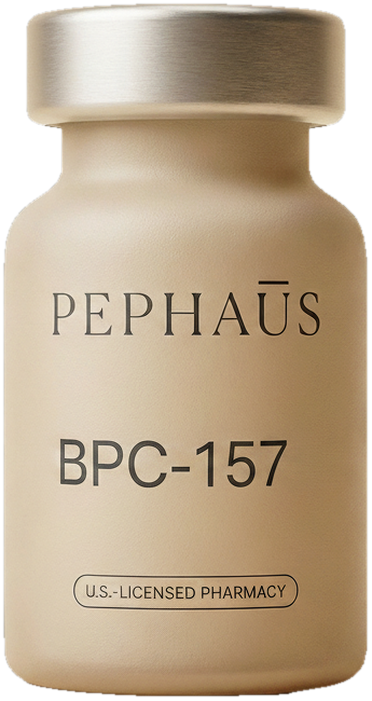
Most people on BPC-157 report no side effects at all, and the ones that come up are mild and manageable. The provider checks your health history before prescribing and sets a dose that fits you. If anything feels off, you message the care team and they adjust right away.
Is this you?
Is this you?
If you nodded at two or three of those, keep reading.
You want to know what side effects actually happen before you start, not a scare list
You have heard about BPC-157 for recovery and want to know if it is safe
You tried other recovery approaches and wonder how BPC-157 compares
You want to know what the provider checks and how they handle side effects
You are active in training and want to stay comfortable while you recover
You heard that research is mostly in animals and want to know what that means for safety
You want a provider who answers questions, not a vial shipped with no oversight
BPC-157 injections, prescribed online from $152/mo
A quick at home shot. Provider visit and shipping included. Nothing charged unless you are prescribed.
What most people report
The most common experience is no side effects. Most of the published research on BPC-157 comes from lab and animal studies, which is why a provider reviews your health history and sets your dose based on your response. Human research is early, and that is exactly why providers start low, check in and adjust.
When side effects show up, they are usually mild. Some people report a little redness or tenderness where they inject, which fades in a few hours. A few report feeling lightheaded or tired right after the shot, and spacing it away from intense training or taking it at night solves that. Nausea happens occasionally, and lowering the dose or slowing the step up handles it.
These are not signs the peptide is wrong for you. They are signs the dose or timing needs a tweak, and that is what the provider is there for.
What the provider checks before you start
Before prescribing BPC-157, the provider reviews your health history and current medications. They look at any history of cancer, blood clotting issues, or autoimmune conditions. BPC-157 has been studied for tissue repair, and anything that affects how your body heals or grows cells gets attention.
They ask about allergies, past reactions to peptides or injections, and what you are trying to recover from. They check whether you compete in a tested sport, because some leagues prohibit BPC-157. If anything raises a flag, the provider either holds off or adjusts the protocol.
The starting dose is low. Most providers start you at the lower end and step up week by week based on how you feel. You message the care team between doses if anything changes. No guessing.
Ready when you are. Ten minutes on your phone.
Start my online visitHow providers handle side effects when they come up
If you report redness or swelling at the injection site, the provider usually suggests rotating sites, icing right after the shot, or checking your injection technique. Most injection site reactions clear up once you spread the doses across different spots.
If you feel lightheaded or tired after injecting, they might move your dose to the evening or suggest taking it on a rest day instead of right before training. If nausea shows up, they lower the dose or slow the step up. You stay at the current dose until you are comfortable, then move up.
Rarely, someone reports headaches or a weird taste. Hydration and timing adjustments fix the taste issue. Headaches usually mean the dose is stepping up too fast, so the provider holds at the current level for another week.
The provider does not leave you to figure it out. You message, they respond, and they adjust. That is how side effects stay manageable.
Gummies and GLP-1 pills are not the same thing
This section is about GLP-1s, not BPC-157, but the same principle applies. Swallow a gummy and about 1% reaches your blood. Inject it and about 80% does. Injectable tirzepatide posted about 20% average body weight loss in clinical trials and semaglutide about 15%. The gummies never made it into those trials because they do not work the same way.
BPC-157 is only available as an injection from a licensed pharmacy after a provider review. You will not find a gummy or oral version compounded by a U.S. pharmacy, and the grey market research vials sold online come with no provider, no purity testing, and no protocol.
What it costs
BPC-157 is $169 a month billed monthly, $160 a month on the quarterly plan, and $152 a month on the 6-month plan. That includes the provider visit, compounding by a licensed U.S. pharmacy, and free expedited shipping. No doctor fee, no membership, no surprise charges. Start here.
If you want to compare BPC-157 to TB-500 or see how they work together, read this guide on taking both.
LegitScript certified
A licensed U.S. pharmacy vs the grey market
Compounded BPC-157 from a licensed 503A pharmacy is prescribed by a U.S. licensed physician and made to order in a sterile facility with batch testing. The provider checks your history, sets your dose, and adjusts based on your response. You get the peptide, the protocol, and the care team.
Grey market research vials are sold online as "not for human use" with no provider, no prescription, and no way to verify what is in the vial. The concentration can be off, the sterility is unknown, and if something goes wrong you are on your own. That is not a side effect of the peptide, that is a side effect of skipping the provider.
FAQ
FAQ
What are the most common side effects of BPC-157?+
Most people report no side effects. When they come up, redness or tenderness at the injection site is the most common, followed by mild fatigue or nausea. All of these are manageable with dose or timing adjustments.
Is BPC-157 safe to use?+
Most of the research on BPC-157 comes from lab and animal studies, and human research is early. That is why a licensed provider reviews your health history, sets your dose, and monitors your response. If you have a history of cancer, clotting issues, or autoimmune conditions, the provider evaluates whether BPC-157 is appropriate for you.
Can BPC-157 cause headaches?+
Headaches are rare but can happen, usually when the dose steps up too fast. The provider holds at your current dose until you are comfortable, then resumes the step up.
Does BPC-157 cause nausea?+
Some people report mild nausea, especially when starting or stepping up the dose. Lowering the dose or slowing the step up resolves it. Taking the injection on a full stomach can also help.
What should I do if I get redness at the injection site?+
Rotate your injection sites so you are not hitting the same spot every time. Ice the area right after injecting. If the redness does not fade in a day or gets worse, message the care team.
Can I use BPC-157 if I compete in tested sports?+
Some sports leagues prohibit BPC-157. Check your league's prohibited substances list before starting. The provider asks about this during the intake, and if you compete in a tested sport, you should verify the rules first.
How does the provider monitor for side effects?+
You message the care team if anything feels off. The provider reviews your response at each step up and adjusts the dose or timing if needed. Most side effects are caught early because you are checking in, not waiting for a scheduled follow up months later.
Are there any long term side effects of BPC-157?+
Long term human studies are limited. Most of the safety data comes from shorter animal studies. A provider weighs your health history and goals before prescribing, and you stay in touch with the care team throughout the protocol. If you are ready to start, a provider can review your history and set your dose today. Compounded by a U.S. licensed pharmacy, prescribed by a U.S. licensed physician, and shipped to your door. Get started here .
Start your visit from your phone
Ten minutes on your phone. A physician licensed in your state. A box on your porch in 2 to 3 business days.
See if you qualifyYour care team
Every PepHaus visit is reviewed by a licensed physician from the Wasef Health Group provider network. A doctor reads your intake, decides if treatment fits, and sets your plan.
Meet the physiciansThis article is educational and is not medical advice. Compounded medications are not FDA-approved. Treatment requires evaluation by a licensed provider.