Tirzepatide for Sleep Apnea: Clinical Trials and What to Expect
Tirzepatide helps sleep apnea through weight loss, with clinical trials showing 55% reduction in breathing interruptions.
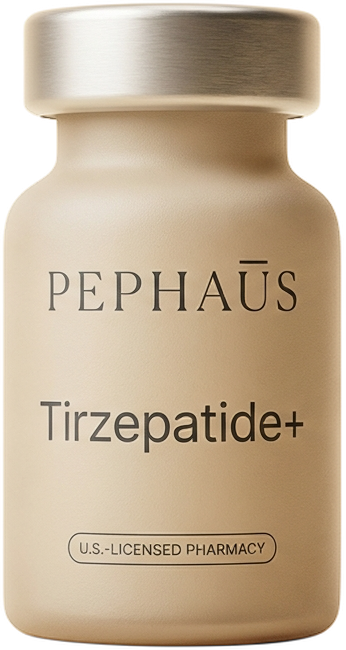
Tirzepatide helps with sleep apnea by reducing body weight, which lowers the pressure on your airway during sleep. Clinical trials showed people taking tirzepatide had about 55% fewer breathing interruptions per hour after one year. The improvement comes from weight loss, not from tirzepatide treating sleep apnea directly.
Is this you?
Is this you?
You wake up tired no matter how long you slept. Your partner says you snore loud or stop breathing at night. You use a CPAP machine but you want to reduce how much you need it. Your doctor mentioned weight loss would help your sleep apnea but diets have not worked long term. You heard tirzepatide helps with both weight and sleep breathing. You want to know if it is real. If you nodded at two or three of those, keep reading.
Compounded tirzepatide, prescribed online from $215/mo
One weekly shot. Provider visit and cold shipping included. Nothing charged unless you are prescribed.
How tirzepatide helps obstructive sleep apnea
Tirzepatide is a GLP-1 and GIP receptor agonist. It lowers appetite, slows how fast your stomach empties, and helps your body use insulin better. People lose weight, and when they lose weight, the soft tissue around their airway gets smaller. That reduces airway collapse during sleep, which is what causes the breathing pauses in obstructive sleep apnea.
In two phase 3 clinical trials published in 2024, people with obesity and moderate to severe obstructive sleep apnea took tirzepatide for 52 weeks. One group used CPAP, the other did not. Both groups saw their apnea-hypopnea index, the number of breathing interruptions per hour, drop by about 55%. That is a big reduction. Weight loss averaged about 20% of starting body weight.
Tirzepatide does not cure sleep apnea. It reduces the severity by reducing the weight. If you stop taking it and regain the weight, the sleep apnea comes back. Most people stay on it long term to keep the benefits.
What the research shows about tirzepatide and sleep apnea severity
The trials measured AHI, apnea-hypopnea index, which counts how many times per hour your breathing stops or gets too shallow during sleep. Mild sleep apnea is 5 to 15 events per hour. Moderate is 15 to 30. Severe is over 30. People in the trials started with moderate to severe sleep apnea and lost an average of 55% of their events after a year on tirzepatide.
Some people went from severe to mild. Some went from moderate to almost none. The improvement tracked with weight loss. The more weight people lost, the more their AHI dropped. Individual results vary but the pattern held across both trials.
CPAP machines keep your airway open with air pressure. Tirzepatide reduces the weight that collapses the airway. Some people can reduce their CPAP pressure or stop using it after losing enough weight. Your sleep medicine provider decides that, not the tirzepatide provider. You keep using CPAP until your provider says otherwise.
Ready when you are. Ten minutes on your phone.
Start my online visitHow tirzepatide dosing works if you have sleep apnea
Tirzepatide starts at 2.5mg a week for the first month. Your provider increases it every month by 2.5mg until you reach the dose that controls your appetite and supports steady weight loss. Most people land between 7.5mg and 12.5mg a week. The max dose is 15mg.
You inject it once a week, same day each week, subcutaneously in your stomach, thigh, or upper arm. It does not matter what time of day. The important part is consistency. If you miss a dose and it has been less than four days, take it. If it has been more than four days, skip it and take your next dose on schedule.
Your provider watches your progress through monthly check ins. If your weight loss slows, they might increase your dose. If you hit side effects, they might hold the dose steady or drop it. The goal is steady weight loss over months, not fast weight loss in weeks.
The real thing vs the rest
Gummies and GLP-1 pills are not the same thing
Gummies and oral GLP-1 peptides were not in the clinical trials for sleep apnea. When you swallow a peptide, your stomach breaks it down and about 1% reaches your blood. When you inject it subcutaneously, about 80% does. Injectable tirzepatide showed about 20% average body weight loss in clinical trials and a 55% reduction in sleep apnea events. Gummies and pills cannot match that.
The real thing vs the rest
A gummy cannot do this. Not even close.
Weight loss gummies, so called GLP-1 pills and liposomal drops sold on social media were never in the clinical trials. Injectable tirzepatide and semaglutide were. Overseas research-only vials have no pharmacy and no physician behind them.

Weight loss gummies
0 mg
No GLP-1 medication inside. Fiber and plant extracts.
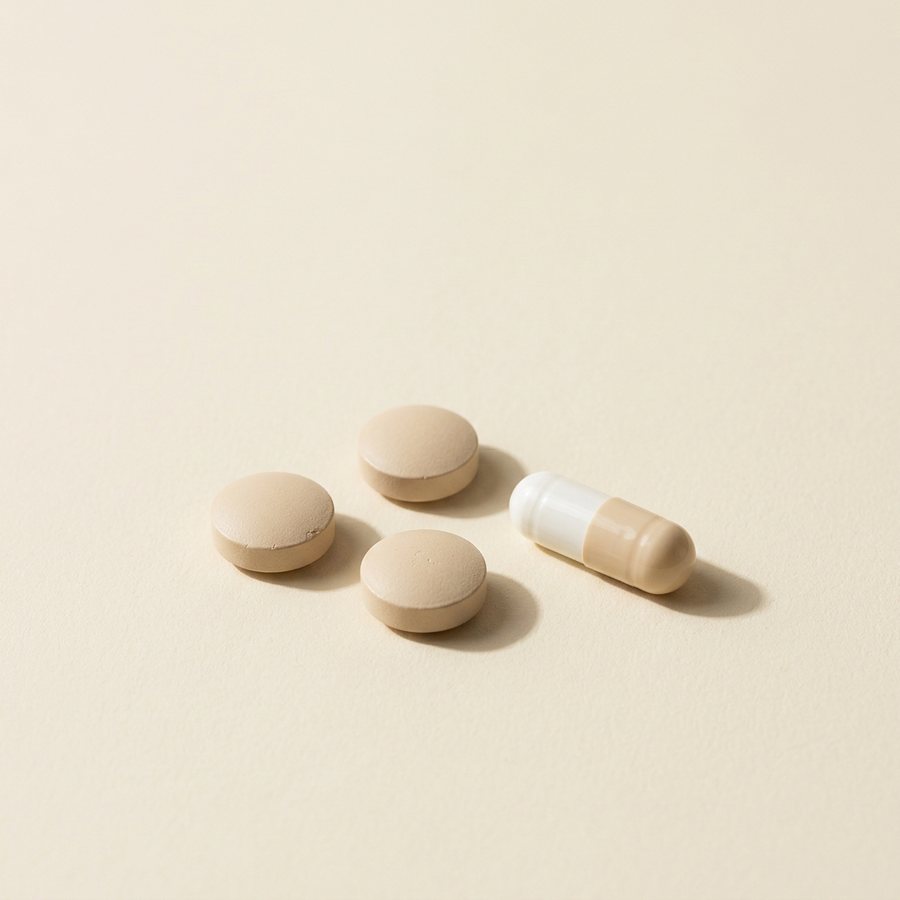
Pills and drops
about 1%
Swallow it and about 1 of every 100 units reaches your blood.
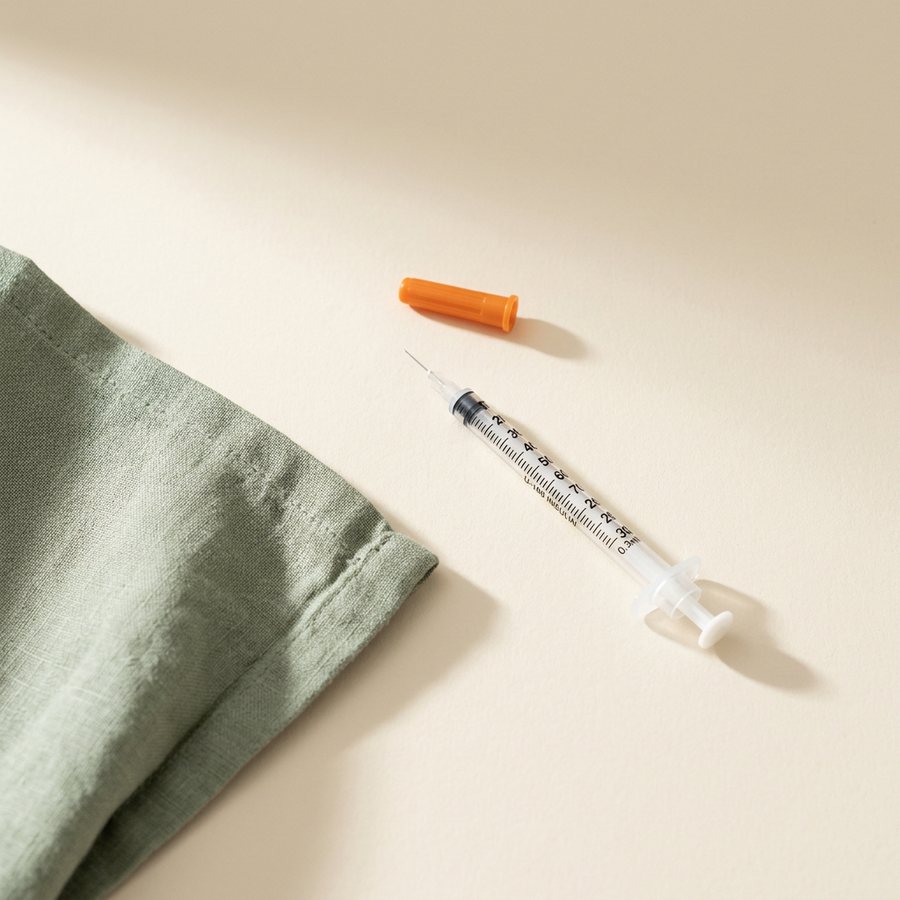
Weekly injection
about 80%
Absorbed from the fat layer. Nothing in the way.
Swallow it: about 1% reaches your blood. Inject it: about 80% does. Same comparison we show on our homepage.
| What you get | PepHaūs prescription | Gummies and “GLP-1 pills” | Grey market vials |
|---|---|---|---|
| Studied in clinical trials | |||
| Average loss in clinical trials | About 15% to 20% of body weight | None reported | Unknown |
| Physician licensed in your state | |||
| U.S.-licensed pharmacy | |||
| Tested product, cold shipped | |||
| Provider visit included | |||
| Dose tuned to you |
Pricing
What it costs
Compounded tirzepatide costs $239 a month for your first month, $227 for your second, and $215 after that. The provider visit and shipping are included. You never pay a separate doctor fee. You can cancel anytime. It is compounded by a U.S. licensed pharmacy and prescribed by a U.S. licensed physician after a review.
You can see the full pricing and get started at thepephaus.com/tirzepatide.
Pricing in your door
One price. Provider visit, medication and shipping included.
- First month$239
- 3-month plan$227/mo
- 6-month plan$215/mo
- First month$169
- 3-month plan$160/mo
- 6-month plan$152/mo
- Provider visit
- Medication
- Cold shipping to your door
- Refills on a schedule
- Care team messaging
- Cancel anytime online
LegitScript certified
A licensed U.S. pharmacy vs the grey market
A compounded peptide from a U.S. licensed pharmacy comes with testing, dosing, sterility, and a prescription. The grey market sells research vials labeled not for human use, no provider supervision, no way to know what is in the vial or if it was stored correctly. Sleep apnea is serious. You do not want to inject something that sat in a warehouse all summer.
PepHaus works with a licensed U.S. pharmacy and U.S. licensed physicians. Your tirzepatide is prescribed after a provider review, tested for purity, and shipped cold with alcohol pads and syringes. You get dosing instructions and access to the care team if anything comes up.
FAQ
FAQ
Will tirzepatide cure my sleep apnea?+
No. Tirzepatide helps with sleep apnea by reducing your weight, which reduces airway collapse. If you stop taking it and regain the weight, the sleep apnea comes back. Most people stay on it long term to keep the benefits. Individual results vary.
Can I stop using my CPAP machine if I take tirzepatide?+
Not on your own. Keep using your CPAP until your sleep medicine provider tells you to stop or reduce the pressure. They will retest your sleep after you lose weight and decide if your CPAP settings need to change. Some people can reduce CPAP use. Some cannot. It depends on how much weight you lose and how severe your sleep apnea was.
How much weight do I need to lose to see sleep apnea improve?+
The clinical trials showed sleep apnea improving as people lost weight. Most people lost about 20% of their starting body weight and saw a 55% drop in breathing interruptions. The timeline is months, not weeks. Individual results vary.
Does tirzepatide help with central sleep apnea?+
The trials studied obstructive sleep apnea, which is caused by airway collapse. Central sleep apnea is caused by your brain not sending the right signals to breathe. Tirzepatide is not approved for central sleep apnea. Talk to your provider.
Can you take tirzepatide if you already use a CPAP?+
Yes. The clinical trials included people who used CPAP and people who did not. Both groups saw their sleep apnea improve with tirzepatide. You keep using CPAP while you lose weight and your provider decides if you can reduce or stop it later.
How long does it take for tirzepatide to help with sleep apnea?+
The trials showed improvement over 52 weeks. Sleep apnea severity drops as you lose weight. Most people start losing weight in the first month but the big sleep apnea improvements take several months as weight comes off. Individual results vary.
Will my insurance cover tirzepatide for sleep apnea?+
Most insurance plans do not cover compounded tirzepatide. Some plans cover brand name tirzepatide for weight loss if you qualify. PepHaus offers compounded tirzepatide without insurance at a flat monthly rate. You can see pricing at thepephaus.com/compounded-tirzepatide-cost . Tirzepatide helps with sleep apnea by reducing the weight that collapses your airway during sleep. Clinical trials showed a 55% reduction in breathing interruptions after one year. It is prescribed by a licensed provider and compounded by a licensed U.S. pharmacy. You can get started at thepephaus.com/tirzepatide or read the full guide at thepephaus.com/tirzepatide-guide . For more on how to get it, visit thepephaus.com/how-to-get-tirzepatide-online .
Start your visit from your phone
Ten minutes on your phone. A physician licensed in your state. A box on your porch in 2 to 3 business days.
See if you qualifyYour care team
Every PepHaus visit is reviewed by a licensed physician from the Wasef Health Group provider network. A doctor reads your intake, decides if treatment fits, and sets your plan.
Meet the physiciansThis article is educational and is not medical advice. Compounded medications are not FDA-approved. Treatment requires evaluation by a licensed provider.