Tirzepatide Dosage for Weight Loss: Week by Week Titration Guide
Tirzepatide dosing starts low and builds slowly so your body adjusts while appetite suppression gets stronger.
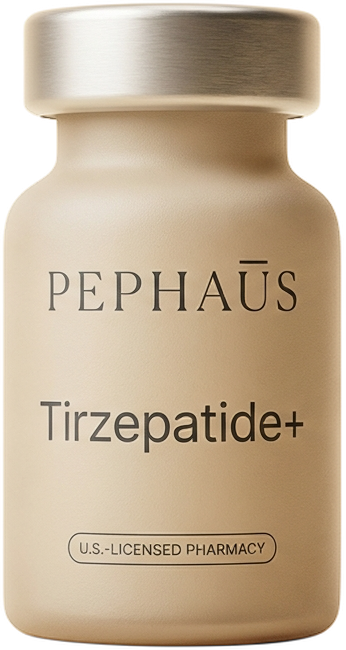
Tirzepatide Dosage for Weight Loss: Week by Week Titration Guide
Tirzepatide dosage for weight loss starts at 2.5mg once a week for the first month, then increases every four weeks up to a maximum of 15mg as your body adjusts. The starting dose is low to let your system adapt to how tirzepatide slows digestion and reduces appetite. Your provider increases the dose gradually to keep side effects mild while appetite suppression gets stronger. Most people reach their maintenance dose between 10mg and 15mg after about five to six months of titration.
Is this you?
Is this you?
You are ready to start tirzepatide but the dosing schedule looks confusing. You want to know what each dose level does and when you move up. You have read about people jumping straight to higher doses and you are wondering if starting low wastes time. You want to understand why the titration takes months instead of weeks. You need a clear explanation of what happens at each step so you know what to expect. If you nodded at two or three of those, keep reading.
Compounded tirzepatide, prescribed online from $215/mo
One weekly shot. Provider visit and cold shipping included. Nothing charged unless you are prescribed.
Why tirzepatide starts at 2.5mg and builds slowly
Tirzepatide works by slowing how fast food leaves your stomach and by signaling your brain that you are full. That mechanism is effective but it also means your digestion changes. If you start at a high dose, nausea and stomach discomfort can hit hard enough to make you stop. Starting low and building up gives your body time to adjust so the side effects stay manageable.
The 2.5mg starting dose is not wasted time. It starts reducing your appetite within the first week and most people see some weight come off in the first month. The dose is working, it just works gently. By the time you reach 5mg or 7.5mg, your body has already adapted to slower digestion and the appetite suppression gets stronger without the side effects spiking.
Your provider moves you up to the next dose when your appetite suppression starts to plateau or when you tolerate the current dose well with minimal side effects. Some people stay at 10mg and lose weight steadily. Others move up to 12.5mg or 15mg. The right dose is the lowest one that controls your appetite and supports consistent weight loss without making you feel sick.
What happens at each dose level
Month one at 2.5mg, your appetite starts to drop and food portions get smaller without effort. Some people lose three to six pounds in the first month. Nausea is mild if it shows up at all, and it goes away after the first few shots. You inject once a week on the same day.
Month two at 5mg, appetite suppression gets stronger. You skip snacks you used to reach for without thinking. Weight loss picks up, most people lose about one to two pounds a week at this dose. Side effects like mild bloating or occasional nausea show up for a day or two after the shot and then clear.
Month three at 7.5mg, food becomes less interesting and portions shrink even more. Cravings for sweets or late night snacks drop off. Weight loss continues at about one to two pounds a week. Your body adjusts and side effects become less noticeable.
Month four at 10mg, appetite suppression is strong and consistent. You eat less at every meal without forcing it. Many people stay at 10mg because it keeps appetite controlled and weight loss steady. Some providers keep you here if you are losing about one to two pounds a week and feeling good.
Month five at 12.5mg, if your provider moves you up, appetite suppression is even stronger. You might skip meals because you are not hungry, which is fine as long as you are eating enough protein. Weight loss continues and your body is fully adapted to how tirzepatide works.
Month six at 15mg, this is the maximum dose and it is used when lower doses stop controlling appetite as well. Most people reach their maintenance dose before 15mg. If you do go to 15mg, appetite stays suppressed and weight loss continues as long as you stay in a calorie deficit.
Your provider adjusts based on how you respond. If you lose weight steadily at 7.5mg with no side effects and no plateau, you might stay there instead of moving up. If appetite comes back at 10mg, you move to 12.5mg. The schedule is a guideline, not a rule.
Ready when you are. Ten minutes on your phone.
Start my online visitWhat to do if a dose feels too strong
If a new dose makes you nauseous or gives you stomach pain that lasts more than a couple of days, message your provider through the patient portal. They might keep you at the previous dose for another month before trying the increase again. Some people take longer to adapt and that is normal.
Eating smaller meals with more protein and less fat helps reduce nausea. Fatty or greasy foods sit in your stomach longer because tirzepatide slows digestion, which makes bloating worse. Stick to lean protein, vegetables, and simple carbs when a new dose feels strong.
If you miss a dose and it has been less than four days, take it as soon as you remember. If it has been more than four days, skip that dose and take your next one on schedule. Do not double up.
The real thing vs the rest
Gummies and GLP-1 pills are not the same thing
Tirzepatide is a peptide, which means it breaks down in your stomach if you swallow it. Injectable tirzepatide reaches your bloodstream at about 80% absorption. Swallow it as a pill or gummy and about 1% reaches your blood, which is not enough to work.
In clinical trials, injectable tirzepatide led to about 20% average body weight loss over 72 weeks. Those results are based on weekly injections, not gummies or sublingual tablets. If someone is selling tirzepatide gummies, it is not the same medication that clinical trials tested.
Injectable tirzepatide is compounded by a U.S.-licensed pharmacy and prescribed by a U.S.-licensed physician after a provider review. You inject it once a week, subcutaneous, on the same day each week.
The real thing vs the rest
A gummy cannot do this. Not even close.
Weight loss gummies, so called GLP-1 pills and liposomal drops sold on social media were never in the clinical trials. Injectable tirzepatide and semaglutide were. Overseas research-only vials have no pharmacy and no physician behind them.

Weight loss gummies
0 mg
No GLP-1 medication inside. Fiber and plant extracts.
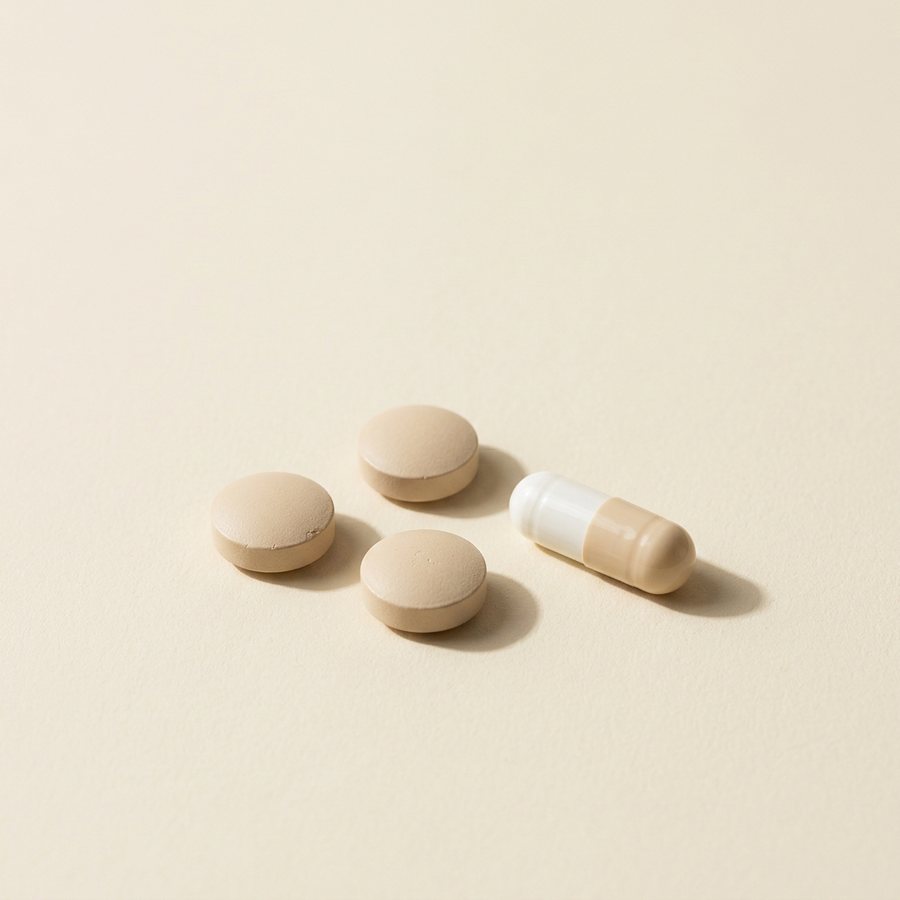
Pills and drops
about 1%
Swallow it and about 1 of every 100 units reaches your blood.
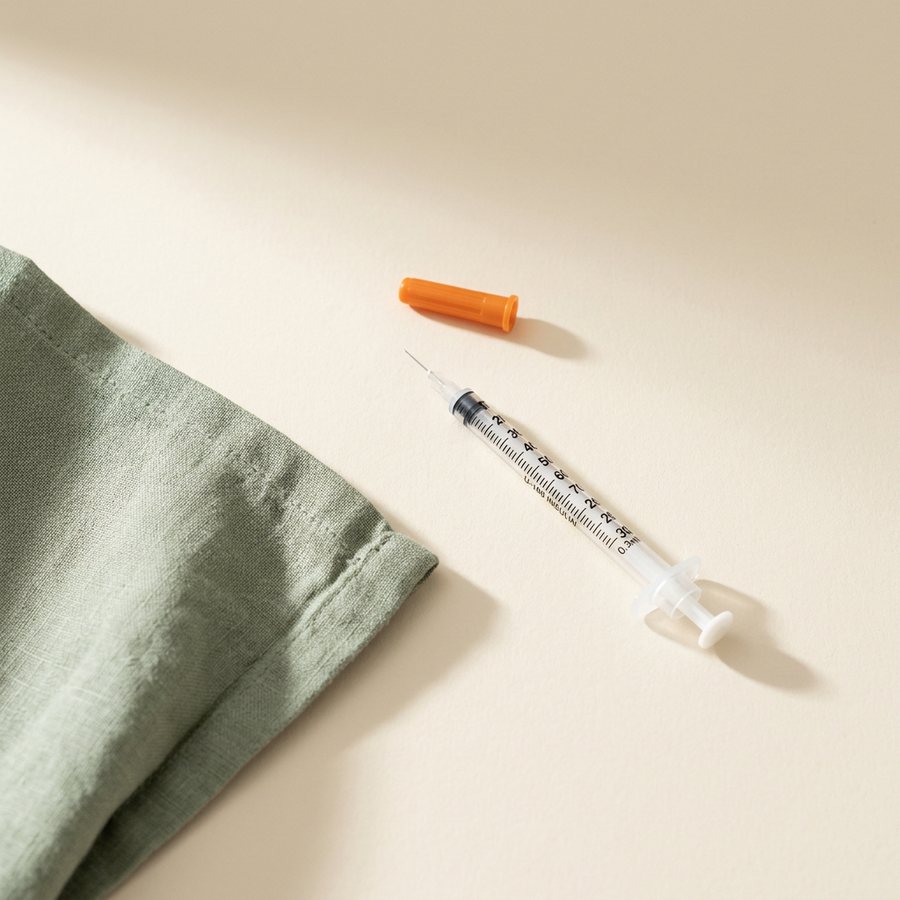
Weekly injection
about 80%
Absorbed from the fat layer. Nothing in the way.
Swallow it: about 1% reaches your blood. Inject it: about 80% does. Same comparison we show on our homepage.
| What you get | PepHaūs prescription | Gummies and “GLP-1 pills” | Grey market vials |
|---|---|---|---|
| Studied in clinical trials | |||
| Average loss in clinical trials | About 15% to 20% of body weight | None reported | Unknown |
| Physician licensed in your state | |||
| U.S.-licensed pharmacy | |||
| Tested product, cold shipped | |||
| Provider visit included | |||
| Dose tuned to you |
Pricing
What it costs
Tirzepatide costs $239 a month at PepHaūs for your first month, $227 for your second, and $215 for your third and beyond. That includes the provider visit, compounding by a licensed U.S. pharmacy, and free expedited shipping. No doctor fees, no membership fees, no hidden charges. You pay for the medication and the provider review that comes with it. Cancel anytime.
Start here to see if tirzepatide is right for you. The online visit takes about 10 minutes and most people are approved within 24 hours.
Pricing in your door
One price. Provider visit, medication and shipping included.
- First month$239
- 3-month plan$227/mo
- 6-month plan$215/mo
- First month$169
- 3-month plan$160/mo
- 6-month plan$152/mo
- Provider visit
- Medication
- Cold shipping to your door
- Refills on a schedule
- Care team messaging
- Cancel anytime online
LegitScript certified
A licensed U.S. pharmacy vs the grey market
Compounded tirzepatide from a licensed U.S. pharmacy is prescribed by a provider who reviews your health history and checks that tirzepatide is safe for you. The pharmacy follows FDA regulations for sterility, potency, and labeling. If you have a question or a side effect, you have a provider to message and a pharmacy that stands behind what they send you.
Grey market tirzepatide comes from overseas research chemical suppliers who sell vials without a prescription, without testing, and without any provider oversight. You have no way to know what is in the vial, how potent it is, or whether it is sterile. If something goes wrong, you have no one to contact.
Licensed U.S. pharmacies are inspected and regulated. Research chemical suppliers are not. The difference is accountability.
FAQ
FAQ
How long does it take to reach the maximum dose of tirzepatide?+
Most people reach their maintenance dose between 10mg and 15mg after about five to six months of titration. Some people stay at 7.5mg or 10mg if those doses control appetite and support steady weight loss.
Can I stay at a lower dose if it is working?+
Yes, if you are losing weight steadily at 5mg or 7.5mg and tolerating it well, your provider might keep you at that dose. The goal is to find the lowest dose that works, not to push everyone to 15mg.
What if I stop losing weight at my current dose?+
If weight loss plateaus and you are eating in a calorie deficit, your provider might increase your dose. Plateaus happen when your body adapts or when appetite suppression weakens. A higher dose brings appetite back under control and weight loss resumes.
Can I split my weekly dose into two smaller shots?+
No, tirzepatide is designed for once weekly dosing and splitting it changes how it works. Take your full dose once a week on the same day. If you have side effects that feel too strong, talk to your provider about staying at your current dose longer instead of splitting shots.
What happens if I go back to a lower dose after moving up?+
If a higher dose causes side effects that do not go away, your provider can drop you back to the previous dose. You stay there until your body adapts and then try the increase again. Some people need more time at each dose level.
Do I need to stay on tirzepatide forever?+
Tirzepatide works while you are taking it. When you stop, appetite suppression fades and hunger returns to baseline. Many people stay on tirzepatide at a maintenance dose after reaching their goal weight to help keep it off. Your provider helps you decide what makes sense for your situation.
How do I know when to move up to the next dose?+
Your provider tells you when to increase based on how you respond. If appetite suppression weakens or weight loss slows and you tolerate your current dose well, you move up. If you still have strong appetite control and steady weight loss, you stay where you are. Tirzepatide dosage starts low and builds up because that approach keeps side effects mild while appetite suppression gets stronger. The titration takes months but each dose level is working, your body just needs time to adapt. When you reach your maintenance dose, appetite stays controlled and weight loss continues as long as you stay consistent. If you are ready to start with a provider who walks you through each step, start here .
Start your visit from your phone
Ten minutes on your phone. A physician licensed in your state. A box on your porch in 2 to 3 business days.
See if you qualifyYour care team
Every PepHaus visit is reviewed by a licensed physician from the Wasef Health Group provider network. A doctor reads your intake, decides if treatment fits, and sets your plan.
Meet the physiciansThis article is educational and is not medical advice. Compounded medications are not FDA-approved. Treatment requires evaluation by a licensed provider.