Glutathione Injections vs Nasal Spray: Which One Works Better?
Injections deliver consistent doses with provider oversight, while nasal spray offers convenience at the cost of unpredictable absorption.
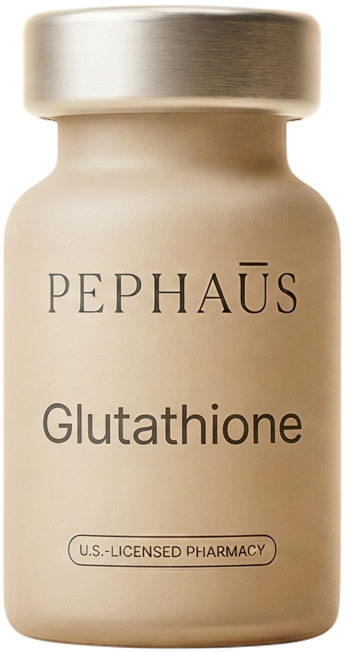
Glutathione injections absorb about 80% of the dose directly into your bloodstream through muscle tissue, while nasal spray absorbs through the mucous membranes at rates that vary from 10% to 30% depending on nasal health and technique. For consistent results and dosing set by a provider, injections are the more predictable choice, while nasal spray offers daily convenience with no needles but less clinical oversight.
Is this you?
Is this you?
You're comparing glutathione forms because you want the one that works. You've seen nasal spray marketed as convenient and needle-free, but you're not sure if it delivers the same results as injections. You've read that glutathione breaks down in the stomach, so nasal spray sounds smarter than pills, but you wonder if it reaches your blood. You want clearer skin, steadier energy, or detox support, and you're weighing the trade-off between daily sprays and monthly shots. You've noticed nasal spray costs less upfront but adds up when you use it every day. You prefer a provider setting your dose over guessing from a bottle label. If you nodded at two or three of those, keep reading.
Glutathione injections, prescribed online from $84.15/mo
A quick at home shot. Provider visit and shipping included. Nothing charged unless you are prescribed.
How glutathione injections work
Glutathione injections deliver the tripeptide directly into muscle tissue, where it enters your bloodstream and circulates to cells throughout your body. A provider prescribes your dose based on your health history and goals, and a licensed pharmacy compounds the injections to that exact strength. Most people start with a few small shots a month, adjusting as needed. The glutathione is already in its active form, so your body uses it right away without breaking it down first.
Injections bypass the digestive system entirely, which is where oral glutathione loses most of its potency. About 80% of an injected dose reaches your blood, compared to about 1% when swallowed. That higher absorption means you need a smaller dose to get the same effect, and you see results faster. The shots are subcutaneous, done with a tiny needle just under the skin, and most people report they feel like a small pinch. A licensed U.S. pharmacy compounds each vial, and a provider monitors your progress and adjusts your dose if needed.
How glutathione nasal spray works
Nasal spray delivers glutathione through the mucous membranes inside your nose, where it absorbs into the bloodstream through the nasal tissue. The idea is that it skips the digestive system like injections do, but the absorption rate is lower and varies depending on your nasal health, how you spray, and how much stays in your nose versus draining down your throat. Research on intranasal glutathione suggests absorption rates between 10% and 30%, which is better than oral forms but far less consistent than injections. There's no standard dose because nasal spray is sold over the counter with no provider review, so you're following the bottle's suggestion rather than a prescription.
The absorption through nasal membranes is less predictable than injection. If you have sinus congestion, allergies, or a deviated septum, absorption drops further. Nasal spray also requires daily use, sometimes twice a day, while injections are dosed a few times a month. That convenience of no needles comes with the trade-off of inconsistent dosing and no clinical oversight.
Ready when you are. Ten minutes on your phone.
Start my online visitComparing results and timelines
With injections, many people report noticing brighter skin, steadier energy, and less brain fog within the first month, with more visible results by week eight to twelve. The dose is set by a provider who adjusts based on your response, so if you're not seeing progress, the dose can be increased. You're working with a pharmacy that compounds each batch fresh, and a provider who checks your health history before prescribing.
Nasal spray users report mixed results. Some people say they notice a difference within a few weeks, others see nothing after months of daily use. The variability comes down to absorption, which depends on your nasal anatomy, how you spray, and whether the product actually contains the glutathione concentration on the label. Over the counter supplements are not tested by the FDA, so you're trusting the manufacturer's claim. Injections are compounded by a licensed U.S. pharmacy after a provider review, which means the dose is accurate and the glutathione is pharmaceutical grade.
Pricing
What it costs
Glutathione injections from PepHaūs cost $99 a month, $94 a month on a quarterly plan, or $89 a month on six months. That includes the provider visit, compounding by a licensed pharmacy, and free expedited shipping. You never pay a separate doctor fee, and you can cancel anytime. The cost covers a full month's supply at your prescribed dose, adjusted as needed.
Nasal spray costs anywhere from $30 to $90 a bottle, and a bottle lasts two to four weeks depending on how often you spray. Over six months, you're spending $180 to $540 or more, with no provider setting your dose and no pharmacy verifying what's in the bottle. You're also buying it yourself and reordering every few weeks, while injections ship automatically on your schedule. For a closer look at glutathione injection pricing, see the glutathione cost page. You can also compare how injections stack up against other forms on the glutathione injections vs pills page, or see how NAD+ vs glutathione compare for longevity and cellular support.
Pricing in your door
One price. Provider visit, medication and shipping included.
- First month$99
- 3-month plan$94/mo
- 6-month plan$89/mo
- Provider visit
- Medication
- Cold shipping to your door
- Refills on a schedule
- Care team messaging
- Cancel anytime online
LegitScript certified
A licensed U.S. pharmacy vs the grey market
Glutathione injections from a licensed pharmacy are compounded after a provider reviews your health history and writes a prescription. The pharmacy follows strict compounding standards, tests each batch, and ships in cold packaging with tracking. You know the dose is accurate, the glutathione is pharmaceutical grade, and a provider is monitoring your progress.
Nasal spray sold online or in supplement stores is not regulated the same way. Many bottles are imported from overseas with no testing or quality control, and the glutathione concentration can vary wildly from what the label claims. Some products contain fillers, additives, or degraded glutathione that's lost its potency. There's no provider setting your dose or checking if glutathione is right for your health history, and no pharmacy verifying what you're spraying into your nose. If you want accountability and consistent results, a licensed pharmacy and provider review is the safer route.
FAQ
FAQ
Can I use glutathione nasal spray instead of injections?+
You can, but the absorption and results are less predictable. Nasal spray skips the digestive system like injections do, but the dose you actually absorb depends on your nasal health and how you spray. Injections deliver a set dose directly into your bloodstream, prescribed by a provider and compounded by a pharmacy. If you want consistent results and clinical oversight, injections are the more reliable choice.
How often do I use glutathione nasal spray versus injections?+
Nasal spray is used once or twice a day, every day. Injections are dosed a few times a month, depending on your provider's schedule. That means nasal spray requires daily commitment and reordering every few weeks, while injections ship on your schedule and you only dose a handful of times a month.
Is glutathione nasal spray FDA approved?+
No. Nasal spray is sold as a dietary supplement, which means it's not reviewed or approved by the FDA for safety or effectiveness. The manufacturer is not required to test the product or verify the dose on the label. Glutathione injections compounded by a licensed pharmacy are prescribed by a provider and follow pharmaceutical compounding standards.
Does nasal spray work as well as injections for skin?+
The results are mixed. Injections deliver a higher, more consistent dose that many people report helps with skin tone, brightness, and clarity within a few months. Nasal spray users report varied results, likely because absorption through nasal membranes is less predictable. If you want visible skin results, injections are the more reliable option.
Can I get a prescription for glutathione nasal spray?+
Some compounding pharmacies make prescription nasal spray, but most providers prescribe injections instead because the absorption is more consistent and the dose is easier to control. If you prefer nasal spray, ask your provider, but injections are the standard form for prescription glutathione.
How long does a bottle of glutathione nasal spray last?+
It depends on the dose and how often you spray, but most bottles last two to four weeks with daily use. Injections from PepHaūs are shipped as a full month's supply at your prescribed dose.
Is glutathione nasal spray safer than injections?+
Neither form has significant side effects for most people. Injections are done with a tiny subcutaneous needle that most people tolerate easily, and nasal spray is needle-free but can cause nasal irritation in some users. The bigger safety difference is that injections are prescribed by a provider who reviews your health history first, while nasal spray is bought over the counter with no clinical oversight.
How much glutathione nasal spray should I use daily?+
Most nasal spray bottles suggest one to two sprays per nostril once or twice a day, but there's no standard dose because it's sold over the counter. The amount you absorb depends on your nasal tissue health and how much stays in your nose versus draining down your throat. With injections, a provider sets your exact dose based on your health history and adjusts it if needed.
Can glutathione nasal spray cause side effects?+
Nasal spray can cause nasal irritation, dryness, or a bitter taste if some drains down your throat. Some people report sneezing or congestion after spraying. Injections can cause mild soreness at the injection site, but most people tolerate subcutaneous shots easily. Both forms are well tolerated, but injections come with provider monitoring if side effects come up.
Does glutathione nasal spray need to be refrigerated?+
Most glutathione nasal spray bottles are shelf stable and do not require refrigeration, though some compounded versions do. Check the label. Glutathione injections are shipped cold packed and stored in your fridge to keep the compound fresh and potent. If you want glutathione that's prescribed by a provider, compounded by a licensed U.S. pharmacy, and delivered on a consistent schedule, start here . You can also read about how to get started with glutathione injections online .
Start your visit from your phone
Ten minutes on your phone. A physician licensed in your state. A box on your porch in 2 to 3 business days.
See if you qualifyYour care team
Every PepHaus visit is reviewed by a licensed physician from the Wasef Health Group provider network. A doctor reads your intake, decides if treatment fits, and sets your plan.
Meet the physiciansThis article is educational and is not medical advice. Compounded medications are not FDA-approved. Treatment requires evaluation by a licensed provider.