Tirzepatide Results Timeline: What to Expect Each Month
Most people see their appetite drop in the first week and lose one to two pounds a week after month one, with 15 to 25 percent body weight loss common by month six.
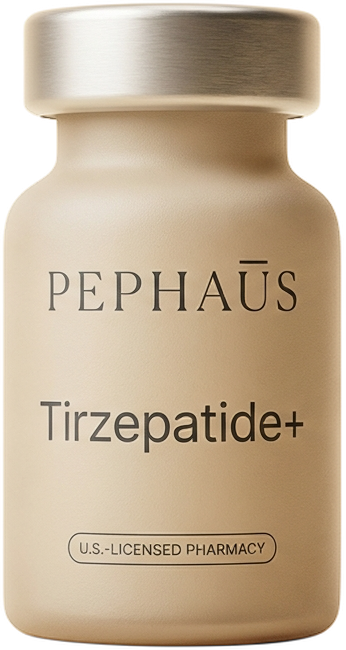
Is this you?
Is this you?
You started tirzepatide a few weeks ago, or you're about to, and you want to know when the weight will start coming off. Maybe you've heard people talk about losing ten pounds in the first month, or you saw someone mention a plateau at month four and you're wondering if that's normal. You might be asking when you'll see the scale move, when your clothes will fit differently, or how long it takes to hit your goal weight. You want a realistic timeline so you know what to expect each month. If you nodded at two or three of those, keep reading.
Compounded tirzepatide, prescribed online from $215/mo
One weekly shot. Provider visit and cold shipping included. Nothing charged unless you are prescribed.
See your yearly and weekly costWhat Happens in the First Month
Most people see their appetite drop within the first week or two, which is when the weight loss starts. The peptide signals your brain that you're full earlier in the meal, so you eat less without forcing it. Some people lose six to eight pounds in the first month, others lose three to five, and a few lose more. The range is wide because starting weight, calorie intake, and how your body responds all play a role.
The first few pounds come off fast because your body sheds water weight along with fat as you eat less and store less glycogen. This is not fake weight loss, but it does mean the pace slows down after month one. That's normal and expected. The goal is steady fat loss over months, not a sprint.
Your provider starts you on a low dose to let your body adjust, which keeps side effects mild and gives the peptide time to work. If you're on 2.5 mg, you might lose less in month one than someone who starts on 5 mg, but the cumulative loss over six months ends up about the same once your dose increases.
Months Two and Three
By month two, your dose might increase if your provider sees you're tolerating it well and the weight is still coming off. Many people notice the scale dropping one to two pounds a week during this phase, with some weeks faster and some slower. You'll also notice your clothes fitting looser, your energy stabilizing, and food noise quieting down. The peptide keeps working on appetite, so eating less feels natural instead of like a constant battle.
Month three is when most people see the cumulative results adding up. Ten to fifteen pounds down from your starting weight is common by this point, and people around you start noticing. Your face looks leaner, your waist shrinks, and you might drop a size or two. This is also when the psychological shift happens: you start trusting that the peptide works and stop second-guessing every meal.
Some people hit a small plateau in month three as their body adjusts to the new weight. If the scale stalls for a week or two, it doesn't mean the peptide stopped working. Your body is recalibrating, and the loss will pick back up. Your provider might increase your dose at this point to keep momentum going.
Ready when you are. Ten minutes on your phone.
Start my online visitMonths Four Through Six
The weight keeps coming off, but the pace might slow to one to one and a half pounds a week as you get closer to a healthier weight. Your body holds onto fat more stubbornly the leaner you get, which is why the first fifty pounds come off faster than the last twenty. This is not a plateau, it's just biology. The peptide is still suppressing appetite and helping you eat less, which means you're still losing fat.
By month six, most people are down 15 to 25 percent of their starting body weight if they've been consistent with the dose and eating well. Someone who started at 220 pounds might be at 180, someone who started at 180 might be at 145. Individual results vary based on how much you had to lose, how high your dose went, and how your metabolism responds.
This is also when people start thinking about maintenance. If you're close to your goal weight, your provider might keep your dose steady instead of increasing it, so you lose the last few pounds slowly and give your body time to adjust. Rapid loss at the end can leave you feeling drained, so a slower finish keeps your energy up and your skin tighter.
What the Clinical Trials Showed
Tirzepatide participants in clinical trials lost about 20 percent of their body weight on average over 72 weeks, which is about a year and a half. The highest doses led to slightly more loss, and people who combined the peptide with regular movement and protein saw better results than those who relied on the shot alone. These are averages, so some people lost more and some lost less, but the trend was clear: steady, significant weight loss that kept going as long as people stayed on the peptide.
The trials also showed that people who stopped the peptide regained some weight, which is why most providers recommend staying on a maintenance dose once you hit your goal. The peptide keeps appetite in check, so staying on it makes keeping the weight off easier.
When Progress Slows or Stalls
If your weight loss stalls for more than two weeks and you're still several pounds from your goal, your provider will look at a few things. Are you eating enough protein? Are you moving your body a few times a week? Is your dose high enough for your current weight? Sometimes a small tweak, like adding a walk after dinner or bumping your dose up by 2.5 mg, gets things moving again.
Plateaus can also happen if you're eating the same meals every day and your metabolism adapts. Switching up your routine, adding strength training, or changing your meal timing can break the stall. The peptide is doing its job by keeping your appetite low, but you still need to give your body a reason to burn fat.
If you've been on the same dose for three months and the scale hasn't budged, talk to your provider about increasing it. Tirzepatide works best when the dose matches your body's current needs, and what worked at 200 pounds might not work at 170.
The real thing vs the rest
Gummies and GLP-1 Pills Are Not the Same Thing
If you see tirzepatide gummies or oral GLP-1 products online, know that they were never in the clinical trials and won't give you the results the studies showed. Peptides like tirzepatide break down in your stomach when you swallow them, so about one percent reaches your blood. When you inject it subcutaneously, about 80 percent gets absorbed and reaches the receptors that control appetite and blood sugar.
Injectable tirzepatide in clinical trials led to about 20 percent average body weight loss over 72 weeks. Oral forms don't deliver enough of the peptide to trigger that response, so you end up paying for something that doesn't work. Stick with the injection your provider prescribed.
The real thing vs the rest
A gummy cannot do this. Not even close.
Weight loss gummies, so called GLP-1 pills and liposomal drops sold on social media were never in the clinical trials. Injectable tirzepatide and semaglutide were. Overseas research-only vials have no pharmacy and no physician behind them.

Weight loss gummies
0 mg
No GLP-1 medication inside. Fiber and plant extracts.
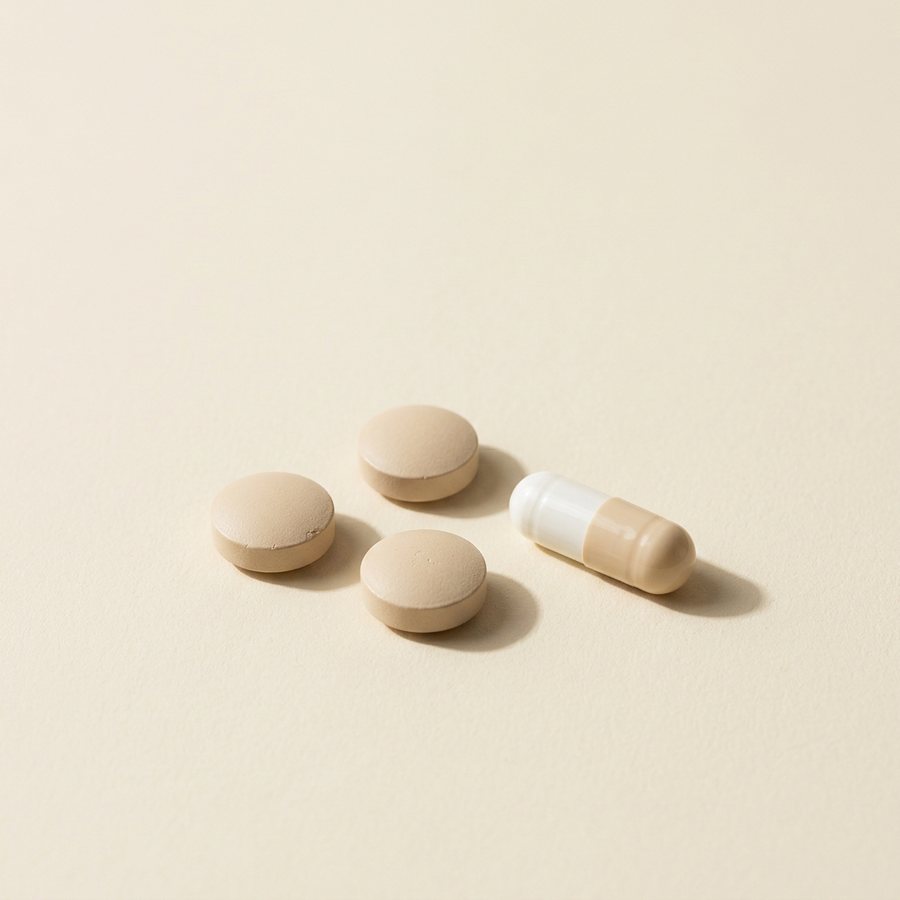
Pills and drops
about 1%
Swallow it and about 1 of every 100 units reaches your blood.
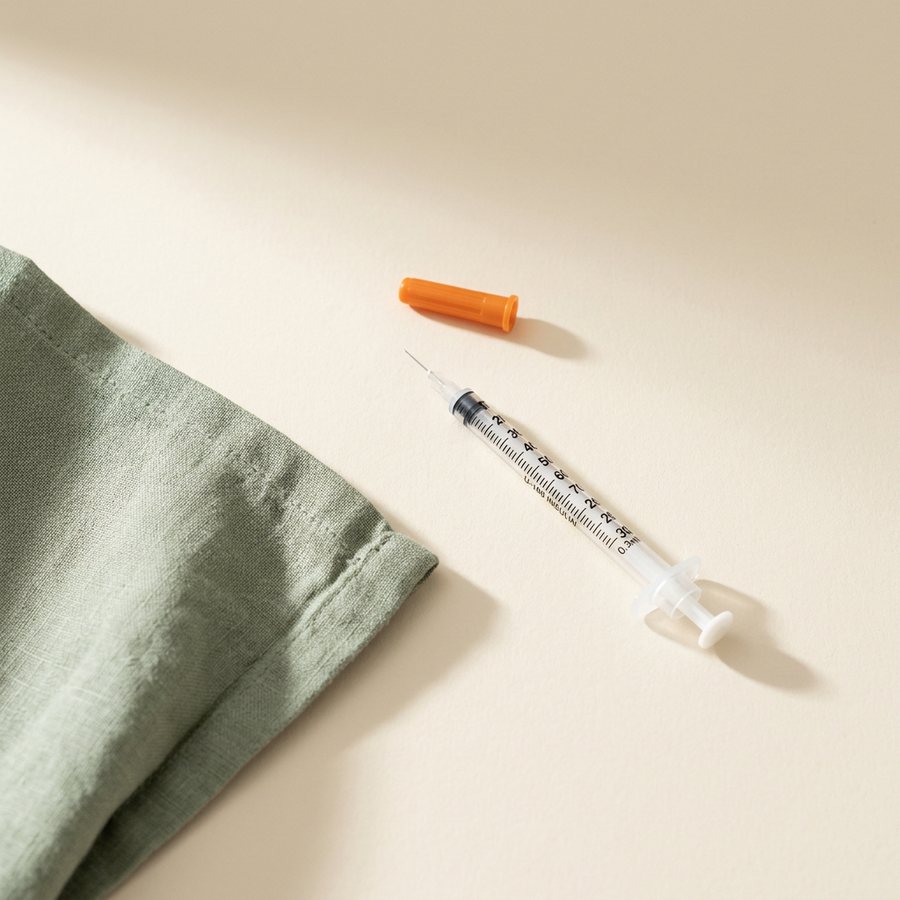
Weekly injection
about 80%
Absorbed from the fat layer. Nothing in the way.
Swallow it: about 1% reaches your blood. Inject it: about 80% does. Same comparison we show on our homepage.
| What you get | PepHaūs prescription | Gummies and “GLP-1 pills” | Grey market vials |
|---|---|---|---|
| Studied in clinical trials | |||
| Average loss in clinical trials | About 15% to 20% of body weight | None reported | Unknown |
| Physician licensed in your state | |||
| U.S.-licensed pharmacy | |||
| Tested product, cold shipped | |||
| Provider visit included | |||
| Dose tuned to you |
Pricing
What It Costs
Tirzepatide is $239 a month at full price, $227 if you prepay three months, or $215 if you prepay six months, with the provider visit and shipping included. There is never a doctor fee. Your provider reviews your health, prescribes the starting dose, and adjusts it as you progress. The pharmacy compounds it fresh and ships it to your door each month with everything you need. You can see the full breakdown at the compounded tirzepatide cost page, and you can also use the GLP-1 cost calculator to estimate your yearly spend based on which plan you choose.
Pricing in your door
One price. Provider visit, medication and shipping included.
- First month$239
- 3-month plan$227/mo
- 6-month plan$215/mo
- First month$169
- 3-month plan$160/mo
- 6-month plan$152/mo
- Provider visit
- Medication
- Cold shipping to your door
- Refills on a schedule
- Care team messaging
- Cancel anytime online
LegitScript certified
A Licensed U.S. Pharmacy vs the Grey Market
Overseas research vials that ship without a prescription come from labs that are not regulated by U.S. pharmacy boards. You have no way to confirm the dose is accurate, the vial was stored properly, or the peptide is still active when it reaches you. Some vials test at half the stated dose, others are contaminated, and you have no recourse if something goes wrong.
When your tirzepatide is compounded by a U.S.-licensed pharmacy and prescribed by a U.S.-licensed physician, you know what you're injecting, the dose is consistent, and a licensed provider is monitoring your progress. That matters when you're using the peptide for months and expecting real results.
FAQ
FAQ
How fast will I see results on tirzepatide?+
Most people notice their appetite drop within the first week or two, and the scale starts moving within the first month. Weight loss is gradual, with most people losing one to two pounds a week after the first month. By month six, 15 to 25 percent body weight loss is common if you've been consistent with the dose and eating well.
What if I don't lose weight in the first month?+
Some people lose less in month one because they start on a low dose to minimize side effects. If the scale hasn't moved much by week four, your provider can increase your dose. The peptide works cumulatively, so month two and three often make up for a slower start. Stay patient and let the dose build.
When does weight loss plateau on tirzepatide?+
Small plateaus can happen in month three or four as your body adjusts to the new weight. If the scale stalls for two weeks, it doesn't mean the peptide stopped working. Your provider might increase your dose or suggest adding more movement to your week. The loss will pick back up.
Can I lose more than 20 percent of my body weight on tirzepatide?+
Yes, some people lose more than the clinical trial average if they have more weight to lose, stay on the peptide longer, or pair it with regular training and high protein intake. The 20 percent average includes people who stopped early, didn't increase their dose, or didn't change their eating habits. Your results depend on how consistent you are.
How long should I stay on tirzepatide?+
Most people stay on it until they hit their goal weight, then move to a lower maintenance dose to keep the weight off. Some stay on it for a year, others for two years or longer. Your provider will help you decide when to taper down based on your progress and how your body responds.
What happens if I stop tirzepatide before hitting my goal?+
If you stop before reaching your goal weight, your appetite will likely return to where it was before you started, and the weight you lost might come back. Most providers recommend staying on the peptide until you're within five to ten pounds of your goal, then tapering to a maintenance dose instead of stopping cold.
Do I need to exercise to see results on tirzepatide?+
No, the peptide suppresses appetite and helps you lose weight even if you don't exercise. That said, adding movement a few times a week helps you lose fat instead of muscle, keeps your energy up, and makes maintenance easier once you hit your goal. Walking, lifting, or any activity you enjoy will improve your results. If you're ready to start, you can get prescribed online through PepHaūs and have your first dose shipped within a few days. The process takes about 24 hours from your health intake to getting your prescription, and your provider will walk you through the timeline and what to expect each month. You can also read the full tirzepatide guide for more details on how the peptide works and how to get started through compounded tirzepatide online .
Start your visit from your phone
Ten minutes on your phone. A physician licensed in your state. A box on your porch in 2 to 3 business days.
See if you qualifyYour care team
Every PepHaus visit is reviewed by a licensed physician from the Wasef Health Group provider network. A doctor reads your intake, decides if treatment fits, and sets your plan.
Meet the physiciansThis article is educational and is not medical advice. Compounded medications are not FDA-approved. Treatment requires evaluation by a licensed provider.