Tirzepatide for Insulin Resistance: How It Improves Blood Sugar and Weight
Tirzepatide improves insulin sensitivity, lowers blood sugar, and supports weight loss.
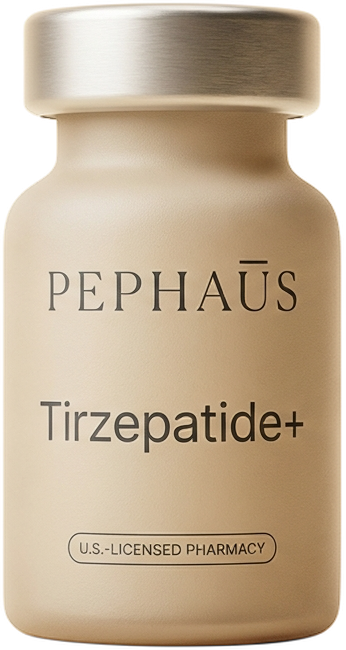
Tirzepatide treats insulin resistance and helps people lose weight by improving how cells respond to insulin and reducing glucose production in the liver. If you have been told your A1C is creeping up, your fasting glucose is high, or you are prediabetic, tirzepatide addresses the root mechanism and the weight that drives it.
Is this you?
Is this you?
If two or three of these sound familiar, tirzepatide can help:
If you nodded at two or three of those, keep reading.
Your A1C is between 5.7 and 6.4, or your fasting glucose is over 100
You carry weight around your midsection that will not budge with diet alone
Energy crashes hit hard after meals, especially carbs
Your provider mentioned prediabetes or metabolic syndrome
You feel hungry an hour after eating, even with protein
Losing 20 or 30 pounds would improve your labs and how you feel
You want to address insulin resistance before it becomes type 2 diabetes
Compounded tirzepatide, prescribed online from $215/mo
One weekly shot. Provider visit and cold shipping included. Nothing charged unless you are prescribed.
See your yearly and weekly costWhat insulin resistance is and why it matters
Insulin is the hormone that moves glucose from the bloodstream into cells for energy. When cells stop responding well to insulin, the pancreas pumps out more to compensate. Over time, blood sugar stays high, the pancreas gets exhausted, and A1C creeps into prediabetic and diabetic ranges.
Insulin resistance drives weight gain, especially around the abdomen. It makes hunger constant because cells are not getting the energy they need, even when glucose is high in the blood. It also raises the risk of cardiovascular disease, fatty liver, and type 2 diabetes.
Most people with insulin resistance do not feel it directly. It shows up on labs as high fasting glucose, high A1C, or high triglycerides. Some people notice energy crashes after meals, constant hunger, or stubborn weight around the middle.
How tirzepatide improves insulin sensitivity
Tirzepatide is a dual agonist. It activates GIP and GLP-1 receptors, two pathways that improve how the body handles glucose and insulin.
GLP-1 makes the pancreas release insulin only when blood sugar is high, so it does not cause low blood sugar. It also slows gastric emptying, which means food leaves the stomach more slowly and glucose enters the bloodstream in a steadier stream. This reduces the insulin spikes that worsen insulin resistance.
GIP improves how fat cells respond to insulin and helps reduce the chronic inflammation that makes insulin resistance worse. Inflammation in fat tissue blocks insulin signaling, and GIP helps calm that down.
When cells respond better to insulin, the pancreas does not have to work as hard. Blood sugar stabilizes, A1C drops, and the cycle that drives insulin resistance starts to reverse.
Ready when you are. Ten minutes on your phone.
Start my online visitTirzepatide for weight loss and insulin resistance
Weight loss is one of the most effective ways to improve insulin resistance, and tirzepatide helps people lose significant weight. In clinical trials, people on tirzepatide lost about 20% of their body weight on average over 72 weeks. Most of that loss was fat, and the majority of the fat came from the abdomen, which is where insulin resistance is worst.
Losing visceral fat reduces inflammation, improves how cells respond to insulin, and lowers fasting glucose. Most people see A1C drop within the first 12 weeks on tirzepatide, often before they hit their goal weight.
Hunger drops within the first week or two. The constant food noise quiets down. Portions feel satisfying again. Energy becomes steadier through the day, and crashes after meals ease up.
What tirzepatide does to blood sugar
Tirzepatide lowers fasting blood sugar and post meal glucose spikes. It does this by improving insulin secretion when glucose is high, reducing how much glucose the liver releases, and slowing how fast food moves through the stomach.
People with prediabetes often see fasting glucose drop from the 110s or 120s into the 80s or 90s within the first few months. A1C usually drops by 0.5 to 1.5 points depending on where it started.
Tirzepatide does not cause hypoglycemia on its own because it only stimulates insulin when glucose is high. If you are on other diabetes medications like sulfonylureas or insulin, your provider will adjust those doses to prevent lows.
Tirzepatide dosing for insulin resistance
Tirzepatide starts at 2.5mg once a week for the first four weeks. This is the titration dose, not the maintenance dose. Most people notice appetite suppression and some weight loss during this phase, but the full metabolic effects build as the dose increases.
After four weeks, the dose goes up to 5mg weekly. Most people stay at 5mg for at least another four weeks. If weight loss is steady and side effects are mild, the dose can increase to 7.5mg, then 10mg, then 12.5mg, and up to 15mg.
The goal is to find the lowest dose that controls appetite, supports weight loss, and improves blood sugar without side effects. Some people stay at 5mg or 7.5mg for months. Others titrate to 10mg or 12.5mg. The dose is individual, and the provider adjusts based on how you respond.
The real thing vs the rest
Gummies and GLP-1 pills are not the same thing
GLP-1 gummies and pills were never in the clinical trials. When you swallow a GLP-1 peptide, stomach acid breaks it down, and about 1% makes it into the bloodstream. When you inject tirzepatide, about 80% reaches the bloodstream.
The clinical trials that showed 20% average body weight loss and A1C reductions used injections, not oral forms. Injectable tirzepatide is what works, and it is what the research supports.
The real thing vs the rest
A gummy cannot do this. Not even close.
Weight loss gummies, so called GLP-1 pills and liposomal drops sold on social media were never in the clinical trials. Injectable tirzepatide and semaglutide were. Overseas research-only vials have no pharmacy and no physician behind them.

Weight loss gummies
0 mg
No GLP-1 medication inside. Fiber and plant extracts.
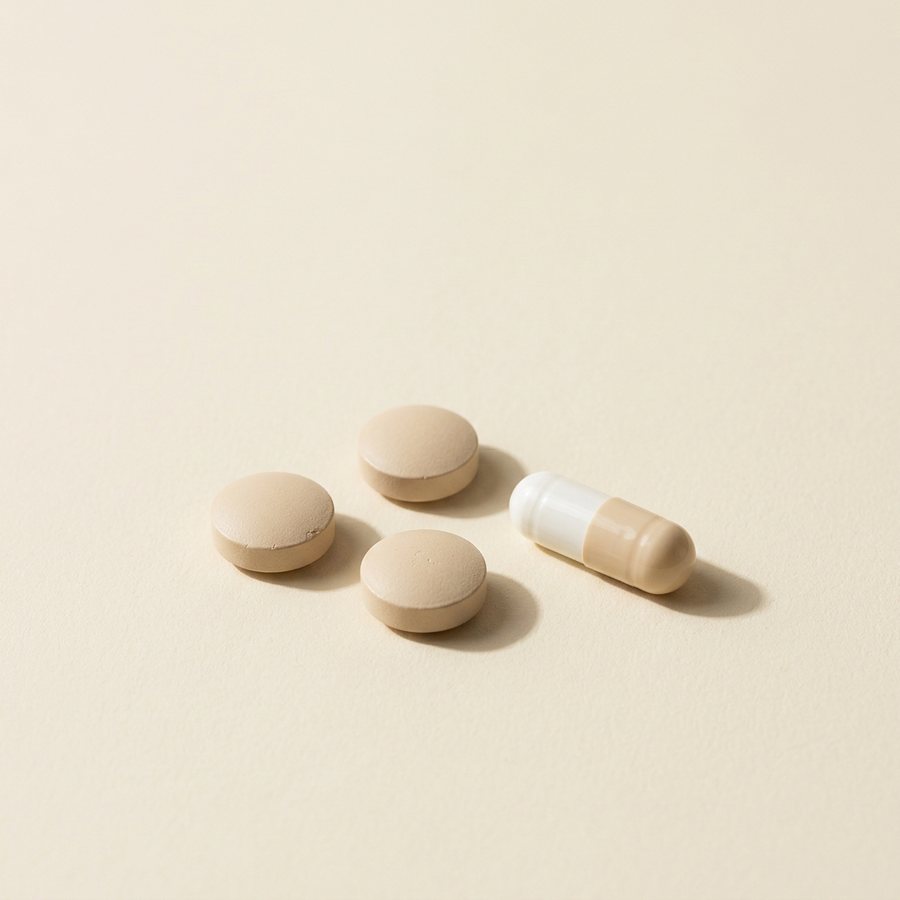
Pills and drops
about 1%
Swallow it and about 1 of every 100 units reaches your blood.
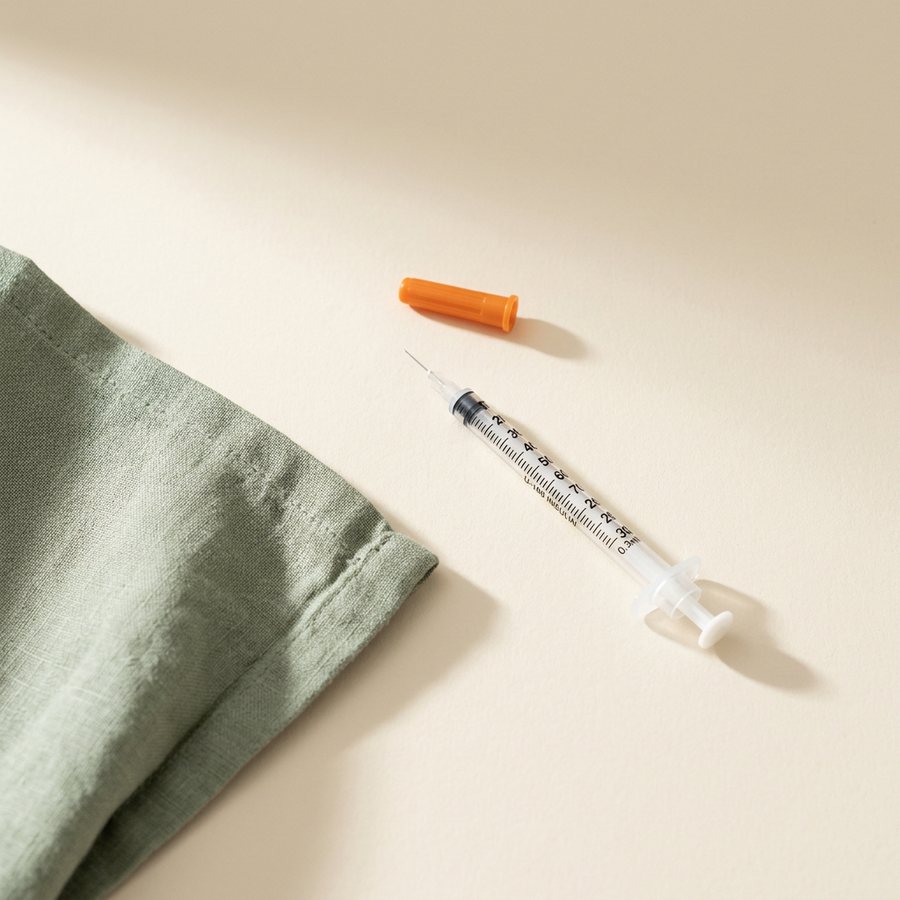
Weekly injection
about 80%
Absorbed from the fat layer. Nothing in the way.
Swallow it: about 1% reaches your blood. Inject it: about 80% does. Same comparison we show on our homepage.
| What you get | PepHaūs prescription | Gummies and “GLP-1 pills” | Grey market vials |
|---|---|---|---|
| Studied in clinical trials | |||
| Average loss in clinical trials | About 15% to 20% of body weight | None reported | Unknown |
| Physician licensed in your state | |||
| U.S.-licensed pharmacy | |||
| Tested product, cold shipped | |||
| Provider visit included | |||
| Dose tuned to you |
Pricing
What it costs
Compounded tirzepatide through PepHaūs costs $239 a month at 2.5mg or 5mg, $227 for a 3 month supply, or $215 for 6 months. Higher doses cost slightly more. The provider visit and shipping are included. No doctor fee, no membership, no hidden charges.
Payment is monthly or upfront. If you prepay for 3 or 6 months, the per month cost drops. Most people stay on tirzepatide until they reach their goal weight and their labs stabilize, then taper down slowly or switch to a maintenance dose.
Pricing in your door
One price. Provider visit, medication and shipping included.
- First month$239
- 3-month plan$227/mo
- 6-month plan$215/mo
- First month$169
- 3-month plan$160/mo
- 6-month plan$152/mo
- Provider visit
- Medication
- Cold shipping to your door
- Refills on a schedule
- Care team messaging
- Cancel anytime online
LegitScript certified
A licensed U.S. pharmacy vs the grey market
Tirzepatide is a prescription medication. Legitimate sources require a provider review and prescribe through a licensed U.S. pharmacy. Grey market research vials ship from overseas with no prescription, no purity testing, and no provider to message when questions come up.
PepHaūs tirzepatide is compounded by a U.S. licensed pharmacy after a U.S. licensed physician prescribes it. Every batch is tested for purity and sterility. You inject what the vial says it is, and you have a provider you can reach anytime.
Research vials save $50 or $100 a month. The trade off is no oversight, no testing, and no recourse if the dose is wrong or contaminated.
If you want to know what to look for in a tirzepatide provider, how to verify pharmacy credentials, and red flags to avoid, read what to look for in the best compounded tirzepatide provider.
FAQ
FAQ
How long does it take for tirzepatide to improve insulin resistance?+
Most people see fasting glucose drop within the first 8 to 12 weeks. A1C improvements show up around the same time. Weight loss starts in week one or two, and insulin sensitivity improves as weight comes off.
Can tirzepatide reverse prediabetes?+
Tirzepatide can bring A1C and fasting glucose back into normal ranges for many people with prediabetes. Reversal depends on how long insulin resistance has been present, how much weight you lose, and whether you maintain those changes long term.
Do I need to be diabetic to get tirzepatide for insulin resistance?+
No. Tirzepatide is prescribed for weight loss and metabolic health, including prediabetes and insulin resistance. You do not need a diabetes diagnosis. The provider reviews your health history, current labs if you have them, and goals.
What are the side effects of tirzepatide for insulin resistance?+
The most common side effects are nausea, constipation, and fatigue during the first few weeks. These usually ease up as your body adjusts. Starting at a low dose and increasing slowly helps minimize side effects. Serious side effects are rare.
Can I take tirzepatide if I am already on metformin?+
Yes. Many people take tirzepatide and metformin together. Metformin improves insulin sensitivity through a different pathway, and the two work well together. The provider reviews your current medications during the visit and checks for interactions.
Does tirzepatide work better than semaglutide for insulin resistance?+
Tirzepatide activates both GIP and GLP-1 receptors, while semaglutide activates only GLP-1. In clinical trials, tirzepatide led to slightly more weight loss and slightly larger A1C reductions on average. Both improve insulin resistance, and which one works better for you depends on how you respond and tolerate each.
How long should I stay on tirzepatide for insulin resistance?+
Most people stay on tirzepatide until they reach their goal weight and their labs stabilize. Some taper down to a lower maintenance dose, others stay at their effective dose long term. Stopping is fine anytime, but insulin resistance can return if weight comes back.
Getting started with tirzepatide
Tirzepatide through PepHaūs starts with a quick online visit. You answer health questions about your weight history, current medications, and goals. A licensed U.S. physician reviews your information, and if prescribed, your tirzepatide ships in 2 to 3 business days.
Everything you need to inject at home is included. The first injection goes into the abdomen or thigh. You pinch the skin, insert the needle at a 45 degree angle, inject slowly, and pull out. The whole process takes about 30 seconds.
Most people inject once a week on the same day. Mark it on the calendar, set a reminder, and stay consistent. Results build over time, and consistency is what keeps appetite controlled, weight dropping, and insulin sensitivity improving.
Start your visit from your phone
Ten minutes on your phone. A physician licensed in your state. A box on your porch in 2 to 3 business days.
See if you qualifyYour care team
Every PepHaus visit is reviewed by a licensed physician from the Wasef Health Group provider network. A doctor reads your intake, decides if treatment fits, and sets your plan.
Meet the physiciansThis article is educational and is not medical advice. Compounded medications are not FDA-approved. Treatment requires evaluation by a licensed provider.