Glutathione Injections vs Pills vs IV: Which Actually Works?
Pills are cheap but poorly absorbed. IV drips work but cost hundreds per session. Where at home injections land between them.
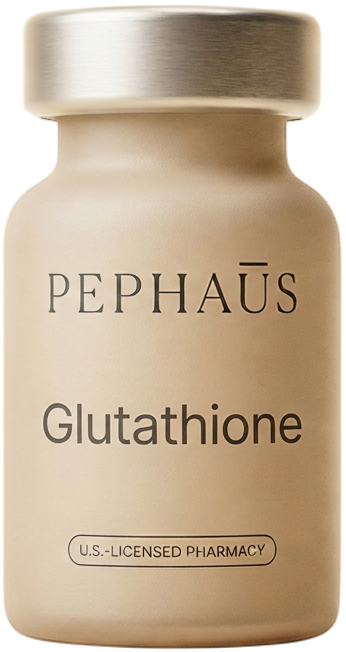
Glutathione comes in three common forms. Capsules from the supplement aisle. IV drips at a lounge or med spa. And prescription injections you give yourself at home once a week. They are not interchangeable, and the differences come down to one question. How much of the molecule actually reaches your blood.
Is this you?
Sound familiar?
Your skin looks tired and you want it clear and bright again.
You want a glow that shows up in photos.
You feel run down and want to feel fresh again.
You want real support for your body's own detox pathways.
You want a prescription from a physician, not a gummy.
You want it shipped to your door with nothing to schedule.
If you nodded at two or three of those, this was built for you. Keep going.
The absorption problem
Glutathione is a tripeptide, which means your digestive system treats it like food. Enzymes in the gut break most of an oral dose apart before it ever absorbs. Studies on standard oral glutathione have repeatedly struggled to show meaningful increases in blood levels. Some newer formats like liposomal capsules do better, but the gap between swallowing the molecule and delivering it intact remains the central issue with pills.
Injection skips the gut entirely. A subcutaneous shot delivers the molecule intact, which is the whole reason injectable glutathione exists.
The real thing vs the rest
Pills. Cheap, easy, mostly lost.
Oral glutathione costs the least, often $20 to $40 a month, and requires nothing but swallowing. That is the appeal. The tradeoff is that most of what you pay for never makes it into circulation.
Plenty of people start here, and that is reasonable. If you take pills for months and notice nothing, the form is a likely reason. It is the most common story we hear from patients who later switch to injections.
The real thing vs the rest
A capsule cannot do this.
An injection prescribed by a physician puts the compound where it needs to go. A capsule or drink from an ad mostly does not survive digestion, and a grey market vial has nobody standing behind it.

Gummies and drinks
0 mg
No prescription compound inside.
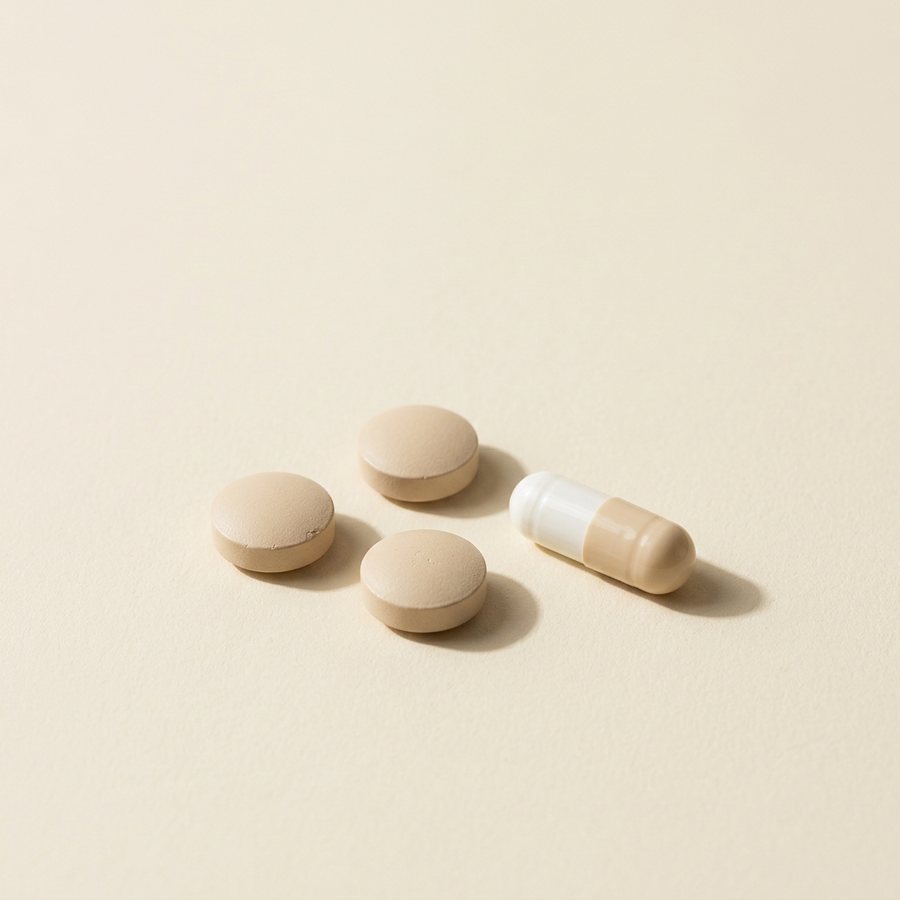
Liposomal capsules
about 1%
Swallow it and about 1 of every 100 units reaches your blood.
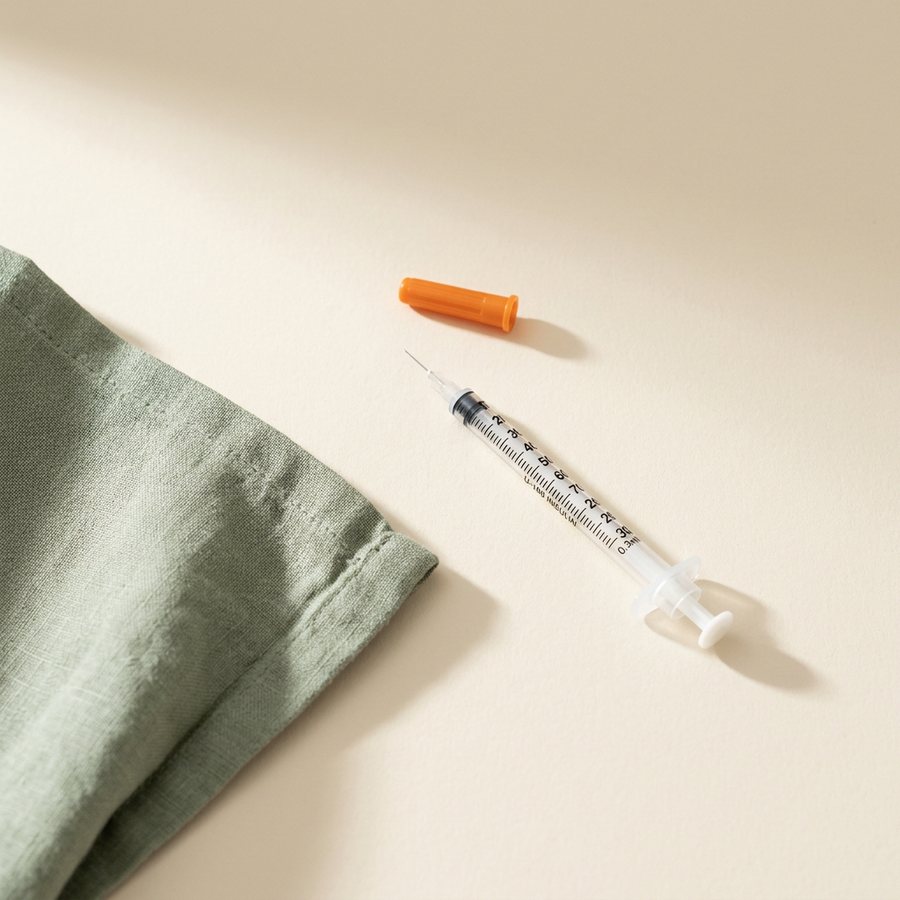
Weekly injection
about 80%
Absorbed from the fat layer. Nothing in the way.
Swallow it: about 1% reaches your blood. Inject it: about 80% does. Same comparison we show on our homepage.
| What you get | PepHaūs prescription | Liposomal capsules and drinks | Grey market vials |
|---|---|---|---|
| Goes straight into your system | Unknown | ||
| Physician licensed in your state | |||
| U.S.-licensed pharmacy | |||
| Tested product, cold shipped | |||
| Provider visit included | |||
| Dose tuned to you |
IV drips. Effective delivery, painful economics.
An IV delivers glutathione with complete absorption. On delivery alone it works. The problems are practical.
A single session at a drip lounge commonly runs $150 to $300. Weekly sessions put you at $600 to $1,200 a month, plus the appointment, the drive and the chair time. An IV also delivers one large dose that your body processes and clears, rather than the steady weekly rhythm most protocols aim for. IVs make sense for a one off boost. As an ongoing skin and detox protocol, the economics rarely survive contact with a calendar.
Ready when you are. Ten minutes on your phone.
Start my online visitAt home injections. The middle path.
A prescribed subcutaneous injection delivers the molecule intact like an IV, at a fraction of the cost, on your own schedule. The needle is the small insulin type, and the shot takes under a minute once a week.
This route requires a prescription, which is a feature rather than a hurdle. A licensed provider reviews your health history first, and the medication comes from a licensed U.S. compounding pharmacy with per batch testing rather than from an unregulated supplement line. At PepHaus that review is done by physicians from the Wasef Health Group provider network, plans start at $143 a month, and everything ships to your door with the supplies included.
Side by side
- Absorption. Pills lose most of the dose. IV and injection deliver it intact.
- Monthly cost. Pills $20 to $40. Injections from $143. IVs $600 or more at weekly cadence.
- Convenience. Pills are easiest. Injections take one minute at home. IVs take an appointment.
- Oversight. Supplements have none. Injections and IVs involve licensed providers, though quality varies by clinic.
The honest bottom line
If glutathione is worth taking, it is worth taking in a form that reaches your blood. Pills are the cheapest way to be disappointed. IVs work but cost like a car payment. Weekly at home injections are how most people get IV grade delivery at a price that survives 3 to 6 months, which is the run providers suggest before judging results.
FAQ
Frequently asked questions
Do liposomal or sublingual pills fix the absorption problem?+
They improve on standard capsules, and some small studies show better blood levels. The data is thinner than the marketing. None of them match direct delivery.
Does the injection hurt?+
It uses a small insulin needle in the fatty tissue of the abdomen or thigh. Most patients describe a brief pinch. It is a different experience than an IV placement.
Can I do IV sometimes and injections weekly?+
Talk to your provider about total dosing before stacking forms. More is not automatically better.
Is injectable glutathione FDA approved?+
Compounded glutathione is not an FDA approved finished product. It is prepared by a licensed compounding pharmacy for your individual prescription after a provider review.
Start your visit from your phone
Ten minutes on your phone. A physician licensed in your state. A box on your porch in 2 to 3 business days.
See if you qualifyYour care team
Every PepHaus visit is reviewed by a licensed physician from the Wasef Health Group provider network. A doctor reads your intake, decides if treatment fits, and sets your plan.
Meet the physiciansThis article is educational and is not medical advice. Compounded medications are not FDA-approved. Treatment requires evaluation by a licensed provider.