How GLP-1 Medications Work for Weight Loss
A plain-English explanation of the hormone behind GLP-1 medications, why appetite quiets down, and what these tools can and cannot do.
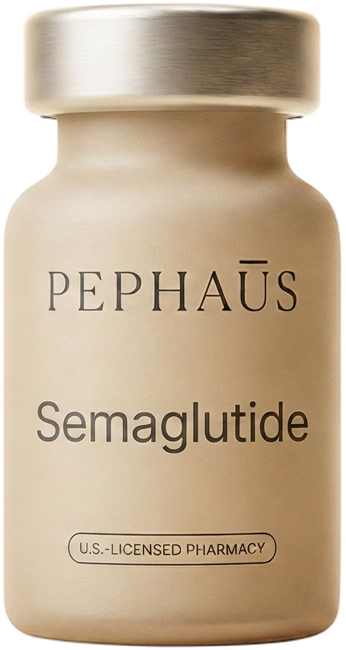
GLP-1 medications have changed how a lot of people approach weight, but the science behind them is often glossed over. Here is a plain explanation of how they work, why appetite quiets down, and what these tools can and cannot do.
Is this you?
Sound familiar?
You are wiped out after every meal.
You snack at night and hate it in the morning.
The 3 pm slump hits like a wall.
Your favorite jeans live in the back of the closet.
You have tried every diet and the scale will not move.
Clinic visits and waiting rooms do not fit your life.
You work shifts, or the nearest specialist is an hour away.
You want your energy back and to feel like yourself again.
If you nodded at two or three of those, this was built for you. Keep going.
The hormone they are named after
GLP-1 stands for glucagon-like peptide-1, a hormone your gut naturally releases after you eat. It is part of your body's normal signaling system for hunger, fullness, and blood sugar. When you eat, GLP-1 helps tell your brain you are satisfied and helps regulate how your body handles glucose.
GLP-1 medications, such as semaglutide and tirzepatide, are receptor agonists. That means they mimic the action of this natural hormone, engaging the same receptors your body's own GLP-1 would. They are not introducing something foreign to your biology. They are amplifying a signal you already use.
Why appetite quiets down
Two effects drive the experience most people describe.
First, GLP-1 acts on the appetite centers in the brain, which reduces hunger and the sense that you need to eat. Many people describe this as less food noise, the constant background pull toward snacking and second helpings simply gets quieter.
Second, GLP-1 slows how quickly your stomach empties. Food stays with you longer, so you feel full sooner and stay full longer. Together, these effects make it easier to eat less without the white-knuckle willpower battle that usually comes with cutting back.
Ready when you are. Ten minutes on your phone.
Start my online visitSemaglutide and tirzepatide
The two most common GLP-1 options work on this pathway, with one difference. Semaglutide acts on the GLP-1 receptor. Tirzepatide acts on the GLP-1 receptor and a second one, GIP, which is why it is called a dual agonist. In head-to-head research, the dual mechanism has been associated with greater average weight reduction, though results vary by person. Our comparison of semaglutide versus tirzepatide lays out the differences.
What they can and cannot do
This is the honest part. GLP-1 medications are tools, not magic. They make it meaningfully easier to eat less by working with your appetite, but they work best alongside changes to how you eat and move. They are not a substitute for those habits, and no result is guaranteed.
They also have side effects, most commonly gastrointestinal ones like nausea, especially as the dose ramps up. Those tend to ease as your body adjusts, which is why the dose starts low and climbs slowly. And they are prescribed only after a U.S.-licensed provider reviews your history and decides the treatment is appropriate. Compounded versions are not FDA-approved finished products, and a provider walks you through what that means.
The takeaway
GLP-1 medications work by mimicking a hormone your gut already makes, quieting appetite and slowing digestion so eating less feels natural rather than forced. They are a real tool grounded in real biology, most effective when paired with habit change and used under a provider's care. If you want to see whether one fits you, our weight loss program and how it works pages explain the process, or you can start a visit.
Why willpower is not the whole story
For a long time, the standard story about weight was that it came down to willpower. Eat less, move more, and the rest is discipline. That framing misses how much of appetite is biology. Hunger, fullness, and cravings are driven by hormones and signals you do not consciously control, and for many people those signals are simply louder and more persistent.
This is what GLP-1 medications change. By amplifying a satiety signal your body already uses, they turn down the volume on hunger and the constant pull toward food. The result is not that willpower stops mattering. It is that the biological headwind people have been fighting becomes a gentler breeze, which makes the habit changes that always mattered far more achievable.
The dose ramp and side effects
Because these medications act on appetite and digestion, the most common side effects are gastrointestinal, and they cluster in the early weeks and around dose increases. Nausea, reduced appetite, and digestive changes are the usual ones. They tend to ease as your body adapts, which is exactly why the dose starts low and climbs slowly rather than beginning high.
This gradual titration is not a delay to endure. It is the design that keeps treatment tolerable. A provider sets the pace based on how you respond and helps you manage the early adjustment, and a care team is reachable for questions along the way. Going slow is how these medications stay comfortable enough to keep taking, which is what ultimately makes them useful.
What to expect over time
GLP-1 medications tend to work gradually rather than overnight. The appetite changes often show up early, but meaningful, lasting change usually builds over months as the dose climbs and new eating and movement habits settle in. Thinking in terms of months rather than days sets a more realistic expectation, and it lines up with how these medications are actually meant to be used: as a steady, provider-supervised tool, not a quick fix. No result is guaranteed, and the people who do best treat the medication as support for the habits, not a replacement for them.
FAQ
Frequently asked questions
What does GLP-1 stand for?+
GLP-1 stands for glucagon-like peptide-1, a hormone your gut releases after eating that helps regulate appetite and blood sugar. GLP-1 medications mimic this natural hormone by engaging the same receptors.
Why do GLP-1 medications reduce appetite?+
They act on the appetite centers in the brain, reducing hunger, and they slow how quickly your stomach empties, so you feel full sooner and longer. Many people describe the result as less food noise.
Do GLP-1 medications work without diet and exercise?+
They make eating less considerably easier, but they work best alongside changes to how you eat and move. They are a tool, not a replacement for those habits, and no result is guaranteed.
Do I need a prescription for a GLP-1 medication?+
Yes. A U.S.-licensed provider must review your health and decide whether the treatment is appropriate before prescribing. Compounded versions are not FDA-approved finished products.
Start your visit from your phone
Ten minutes on your phone. A physician licensed in your state. A box on your porch in 2 to 3 business days.
See if you qualifyYour care team
Every PepHaus visit is reviewed by a licensed physician from the Wasef Health Group provider network. A doctor reads your intake, decides if treatment fits, and sets your plan.
Meet the physiciansThis article is educational and is not medical advice. Compounded medications are not FDA-approved. Treatment requires evaluation by a licensed provider.