Compounded Semaglutide vs Tirzepatide: Which Is Right for You?
Two compounded GLP-1 options, two mechanisms. A plain comparison to bring to your provider visit.
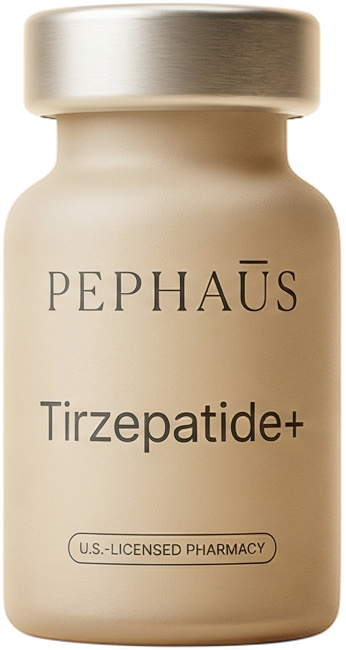
If you are considering a compounded GLP-1 for weight management, you will run into two names quickly: semaglutide and tirzepatide. They are related but not identical. Here is an honest look at how they compare so you can have a better conversation with your provider.
Is this you?
Sound familiar?
You are wiped out after every meal.
You snack at night and hate it in the morning.
The 3 pm slump hits like a wall.
Your favorite jeans live in the back of the closet.
You have tried every diet and the scale will not move.
Clinic visits and waiting rooms do not fit your life.
You work shifts, or the nearest specialist is an hour away.
You want your energy back and to feel like yourself again.
If you nodded at two or three of those, this was built for you. Keep going.
How each one works
Semaglutide is a GLP-1 receptor agonist. It mimics a hormone your gut releases after eating, which helps regulate appetite and slow how quickly your stomach empties. The practical effect for many people is feeling full sooner and staying full longer.
Tirzepatide works on the same GLP-1 pathway but adds a second one. It is a dual agonist, acting on both GLP-1 and GIP receptors. That second pathway is the main mechanical difference between the two. In head-to-head research, the dual mechanism of tirzepatide has been associated with greater average weight reduction, though individual results vary and no result is guaranteed.
If you want a deeper dive into the head-to-head data, our piece on tirzepatide versus semaglutide for weight loss covers it.
How they are taken
Both are weekly injections. Both usually start at a low dose and step up over time so your body can adjust, which helps manage side effects. A provider sets the schedule for either one based on how you respond. Our guide to the tirzepatide dosage schedule shows how that ramp tends to look.
Ready when you are. Ten minutes on your phone.
Start my online visitSide effects
The side effect profiles are similar because both act on the GLP-1 pathway. The most common effects are gastrointestinal: nausea, reduced appetite, and digestive changes, especially in the early weeks as the dose increases. They tend to ease as your body adjusts. Starting low and stepping up slowly is the main tool for keeping them manageable. A provider helps you navigate this, and our guide to managing tirzepatide side effects applies in spirit to both.
Pricing
Cost
Both are cash-pay when compounded, which means a flat monthly price with no insurance billing. Tirzepatide programs often price a little higher than semaglutide, reflecting the medication. You can see the specifics in our guides on compounded tirzepatide cost and compounded semaglutide cost.
Pricing in your door
One price. Provider visit, medication and shipping included.
- First month$239
- 3-month plan$227/mo
- 6-month plan$215/mo
- First month$169
- 3-month plan$160/mo
- 6-month plan$152/mo
- Provider visit
- Medication
- Cold shipping to your door
- Refills on a schedule
- Care team messaging
- Cancel anytime online
Which one fits you
Compare current pricing on the tirzepatide and semaglutide product pages.
There is no single right answer, and that is the honest version. The choice depends on your health history, how your body responds, your goals, and what your provider recommends after reviewing your intake. Some people do well on semaglutide. Some respond better to the dual mechanism of tirzepatide. Both are prescribed only after a U.S.-licensed provider decides the treatment is appropriate, and both are compounded medications that are not FDA-approved as finished products.
The most useful thing you can do is start a visit and let a provider weigh in with your history in front of them. You can start a visit or read more about the process on our how it works page and our weight loss program.
What stays the same between them
For all the focus on their differences, the two share a lot. Both are weekly injections. Both are cash-pay when compounded, with a flat monthly price and no insurance billing. Both start low and titrate up so your body can adjust. Both require a U.S.-licensed provider to review your history and decide the treatment is appropriate, and both are compounded medications that are not FDA-approved as finished products. Both also work best alongside changes to how you eat and move, rather than as a switch that flips on its own.
In other words, the decision is rarely about which one is good and which is bad. It is about which one fits you, your history, and how your body responds, with a provider helping you read those signals.
Talking it through with a provider
The most useful version of this comparison happens in the visit, not on a page. A provider sees your full history, knows what conditions and medications you bring to the table, and can weigh the trade-offs for your situation specifically. They may recommend starting with one and revisiting if your response or tolerability suggests a change.
Come to that conversation with your goals and your questions. Ask what makes one a better starting point for you, what side effects to expect, and how the schedule will work. The honest answer to which is right is the one that comes after a provider has reviewed your intake, not a generic verdict that applies to everyone.
A quick way to frame the choice
If you want a simple frame, think of it this way. Semaglutide is the single-pathway option with a long track record of use. Tirzepatide adds a second pathway and has been associated with greater average results in head-to-head research, at a price that often runs a little higher. Neither is universally better, and your history and response may point clearly toward one. The frame is useful for orienting yourself, but the actual decision belongs in the visit, where a provider can apply it to your specific situation rather than to the average person.
FAQ
Frequently asked questions
Is tirzepatide better than semaglutide?+
In head-to-head research, tirzepatide has been associated with greater average weight reduction, likely because it acts on two pathways instead of one. But individual results vary, and the better choice for you depends on your history and what your provider recommends. Neither result is guaranteed.
Can I switch between them?+
That is a decision for your provider. People sometimes move from one to the other based on response or tolerability, but any change should go through a licensed provider who knows your history.
Do they have different side effects?+
The profiles are similar because both act on the GLP-1 pathway. The most common effects for both are gastrointestinal and tend to ease as the dose ramps up slowly over the first weeks.
Are both cash-pay?+
Yes. When compounded, both are cash-pay with a flat monthly price and no insurance billing. Tirzepatide programs often price a little higher than semaglutide.
Start your visit from your phone
Ten minutes on your phone. A physician licensed in your state. A box on your porch in 2 to 3 business days.
See if you qualifyYour care team
Every PepHaus visit is reviewed by a licensed physician from the Wasef Health Group provider network. A doctor reads your intake, decides if treatment fits, and sets your plan.
Meet the physiciansThis article is educational and is not medical advice. Compounded medications are not FDA-approved. Treatment requires evaluation by a licensed provider.