What Is Compounded Tirzepatide, and How Is It Different?
What compounding actually means, why it exists, and how a licensed pharmacy fits in.
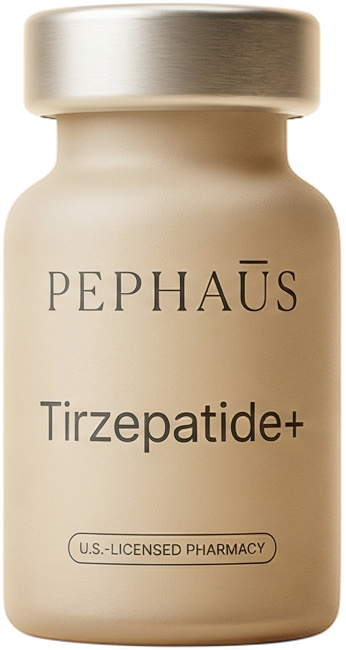
You have probably seen tirzepatide sold two ways. One is a brand-name pen from a manufacturer. The other is compounded, prepared by a pharmacy. The active ingredient is the same. The result is the same.
Is this you?
Sound familiar?
You are wiped out after every meal.
You snack at night and hate it in the morning.
The 3 pm slump hits like a wall.
Your favorite jeans live in the back of the closet.
You have tried every diet and the scale will not move.
Clinic visits and waiting rooms do not fit your life.
You work shifts, or the nearest specialist is an hour away.
You want your energy back and to feel like yourself again.
If you nodded at two or three of those, this was built for you. Keep going.
What compounding is
Compounding is the practice of a licensed pharmacy preparing a medication to fit a prescription. It is a long-standing part of pharmacy, regulated at the state and federal level (FDA).
A compounded medication is made by a pharmacist using the same active pharmaceutical ingredient found in the standard drug. With tirzepatide, that ingredient is tirzepatide. The pharmacy prepares it as an injectable that a provider then prescribes.
Compounded medications are not FDA-approved as finished products. That is an important distinction, and it is one a provider walks through with you before treatment.
Why people use a compounded option
Two reasons come up most often. Access and cost.
When a brand-name product is in short supply, compounding can keep a treatment available. Cost is the other factor. Compounded treatment is cash-pay, which means a flat price with no insurance billing, no prior authorization, and no waiting on a claim.
For many people the appeal is simple. One clear price. A provider in the loop. Medication that ships to the door.
Ready when you are. Ten minutes on your phone.
Start my online visitWho makes it matters
Not every source is equal. This is the part worth slowing down on.
A legitimate compounded treatment comes from a U.S.-licensed compounding pharmacy, is prescribed by a U.S.-licensed provider, and ships with documentation showing what is in the vial. PepHaūs works this way. Every batch carries a Certificate of Analysis that reports purity and concentration. Plus they share all the pharmacy details and sourcing publicly.
Compare that to research-chemical sites that sell vials labeled "not for human use." Those have no prescription, no provider, and often no testing on each batch. The molecule may carry the same name. But everything about it is different. It is worth paying to know for certain what you are putting in your body.
How the process works
The order of operations is straightforward.
You complete an online visit. A licensed provider reviews your history and decides whether tirzepatide is appropriate for your goals. If it is, the prescription goes to the compounding pharmacy. The pharmacy prepares and ships it. Refills and questions run through your care team in the client portal.
If a provider decides the treatment is not appropriate for you, you are not charged for medication. The clinical review is real.
What safety comes down to
Compounded tirzepatide is the same active compound, prepared by a pharmacist, dispensed for human use after a provider's review. The safety of any compounded medication rests on three things. A licensed prescriber. A licensed pharmacy. Testing you can see.
When all three are present, you know what you are putting in your body and who stands behind it.
FAQ
Frequently asked questions
Is compounded tirzepatide FDA-approved?+
No. Compounded medications are not FDA-approved finished products. They are prepared by a licensed pharmacy to fill a prescription. A provider reviews whether the treatment fits you.
Is it the same molecule as the brand version?+
The active ingredient is tirzepatide in both cases. The preparation and the supply path differ.
How do I know the quality is real?+
Ask for a Certificate of Analysis. PepHaūs includes one with every batch, showing purity and concentration from testing. And they include their pharmacy source as well!
Do I need a prescription?+
Yes. A licensed provider must review your health and prescribe it. There is no legitimate path that skips that step.
Start your visit from your phone
Ten minutes on your phone. A physician licensed in your state. A box on your porch in 2 to 3 business days.
See if you qualifyYour care team
Every PepHaus visit is reviewed by a licensed physician from the Wasef Health Group provider network. A doctor reads your intake, decides if treatment fits, and sets your plan.
Meet the physiciansThis article is educational and is not medical advice. Compounded medications are not FDA-approved. Treatment requires evaluation by a licensed provider.